



Integration is critical for the development of EAC









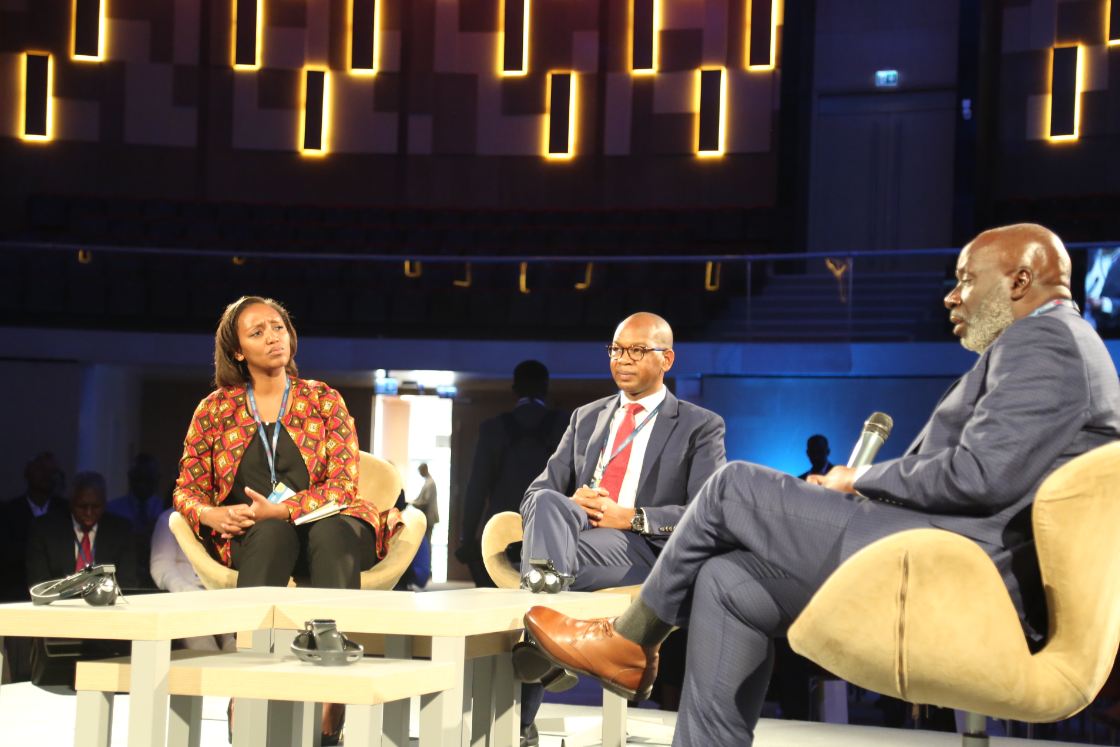
For the East African Community (EAC) to overcome the current challenges, realize its objectives, and unlock the untapped potentials, business should take the center stage in the regional integration, according to private sector leaders.
Despite being hailed as one of the most integrated regional economic blocks on the continent, EAC, which is composed of Burundi, Kenya, Rwanda, South Sudan, Tanzania and Uganda, has been grappling with several challenges undermining its integration process.
Some of the key problems include lack of sound legal and institutional framework, budgetary constraints, inadequate institutional capacities at national and regional level to domesticate regional policies, and lack of coherency in legal and regulatory frameworks.
This is in addition to mismatch between regional development planning and partner states' individual development planning, low levels of economic and social infrastructure development and fear of loss of sovereignty.
Despite the challenges, the private sector players are optimistic about the future of the regional integration and are set to actively participate in process.
Ali Mufuruki, the founder and CEO of Infotech Investment Group, said the future of EAC integration is bright and that the private sector should work in partnership with the public sector to drive the EAC integration.
He is of the view that the regional integration should start from the products level, through exporting products as a region rather than a single country in order to meet the demand and remain globally competitive.
"EAC can form one company that will export East African coffee. This way, the region could become the biggest supplier of coffee to China for instance. It doesn't make sense for coffee suppliers in East Africa to compete with each other," he said.
This, he said, can be applicable to products that have deep value chain, and can be sourced from across the region, for every member state to benefit.
"We can build a coffee airbus, textile airbus or a tourism airbus. East Africa has great sceneries. We can consider marketing the region as a tourist destination," he said.
Peter Mathuki, the executive director of East Africa Business Council, said the idea of business taking the center stage in regional integration is timely.
He said the private sector should call the government to the negotiation table and discuss on what should be done to drive the regional integration process, instead of waiting to be invited by the government.
"The treaty that established EAC is private sector led. It's a challenge we need to take upon ourselves and be at the center on the table but not waiting to be invited by the government," he said.
Joshua Oigara, the CEO of Kenya Commercial Bank Group, said the private sector should be in the forefront in riding the agenda for regional transformation.
"We have been using the East Africa Business Council, but perhaps we need to push more as private sector leaders and CEOs to make our conversation well known," he said.
Oigara said there is need to invest strongly in connecting infrastructure. "Transporting goods from Mombasa port, Kenya to Rwanda takes longer than shipping from Brazil to China and the cost is high as well," he said.
Dennis Karera, the vice-chairman of the East African Business Council, said the private sector needs to be focused and know what it needs from each other.
"There are significant products in the region and the population is growing, so what we need is a thorough systematic movement of goods, services and labor. We should then do the advocacy job by advising the governments on what our right is appropriate," Karera said.
Karera said the issue of non-tariff barriers (NTBs) will always be there. "We have advocated for removal of over 70 percent of the NTBs. However, we still have about 30 percent NTBs," he said.
"As we do more business something new comes up, so what is needed is to take on the challenge and take it to the necessary office to handle it," he said.
Karera said the route taken for the EAC integration is perfect. "We are on the right track. We should stay put and focused," he said.
The main objective of the EAC is to introduce policies and programs to promote cooperation among its member states for their mutual benefit in political, economic, social, and cultural affairs, research and technology, defense, security, and legal and judicial affairs.
- Major intl transport company aims to partner with Chinese companies in Africa
- African CEO Forum kicks off in Rwanda
- African free-trade area close to becoming a reality, says president of Rwanda
- Africa inches closer to continental trade agreement
- Private enterprises set to play a bigger role in BRI promotion




















