Why dialogue is what we need in our globalized world









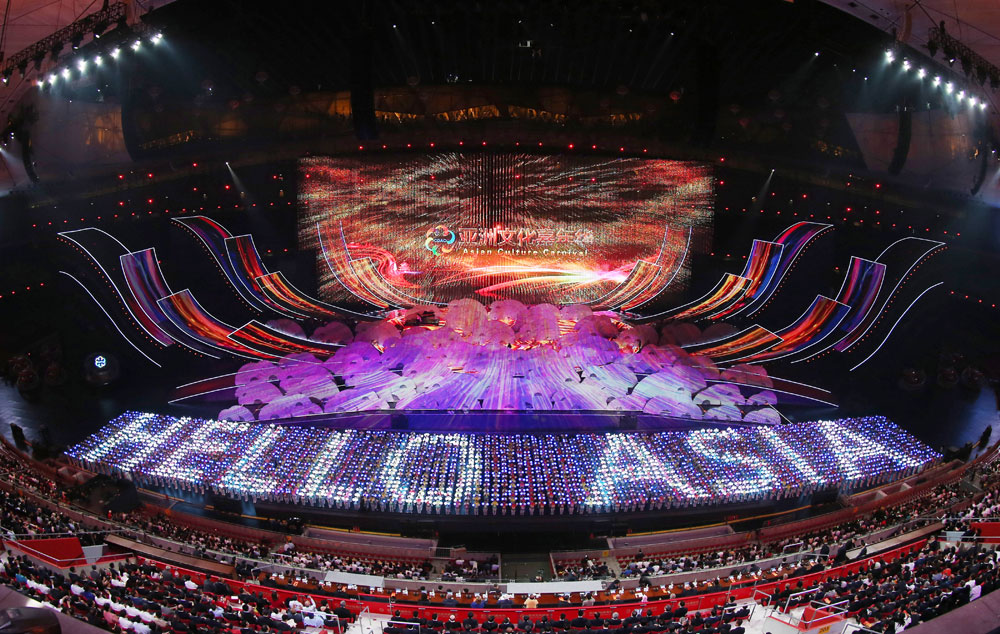
China is hosting the Conference on Dialogue of Asian Civilizations (CDAC), themed Exchanges and mutual learning among Asian civilizations and a community with a shared future, to nurture dialogue – something that eases tension and encourages inclusion.
Dialogue of civilizations is essentially the inverse of a "clash of civilizations", a call for greater solidarity on the basis of recognizing cultural diversity and intercultural exchange. This dialogue suggests that the promotion of tolerance and cooperation in a climate of mutual trust and understanding are among the best guarantees of regional and global stability.
In other words, one of the main objectives of the CDAC is safeguarding and promoting cultural diversity, which has been regarded as "the common heritage of humanity" and "as necessary for humankind as biodiversity is for nature" in the UNESCO Universal Declaration on Cultural Diversity.
"Dialogue, before anything else, is a search for emotional contact and sincere trust," to borrow the words of former Iranian President Mohammad Khatami, who proposed the idea of dialogue among civilizations.
Holding dialogue on Asian civilization will be conducive to mutual learning and mutual understanding; it will ensure harmonious interaction and cultural exchange and create the room for tolerance and peaceful coexistence between nations. That is to say, building a utopian society or a community with shared future – where all can exercise their rights and freedoms regardless of their caste, color or creed – is possible through dialogue and communication.
Dialogue and communication have played essential roles for peoples of different racial, cultural, and religious backgrounds throughout history. The ancient Silk Road was a route for dialogue and communication – besides commercial exchanges – and linked some of the biggest civilizations in the world, including China and India. It has been called the "Road of Dialogue" by the UNESCO Plan.
Dialogue and cultural and intellectual exchange along the ancient Silk Road contributed much to Asian civilization. Buddhism spread through the Silk Road, with Buddhist art and shrines found in the Afghan provinces of Bamyan and Logar and the Chinese provinces of Gansu and Sichuan, where I last year visited the Giant Buddha and Mount Emei Temple and Mogao Caves. Hinduism and Islam are also said to have been introduced to Indonesia and Malaysia by Silk Road traders.
In our increasingly diverse societies, a zero-sum game and only-my-backyard mindset looms large, and challenges such as climate change and terrorism pose threats to the world. The mission of Asian nations in the current globalized world is to promote the "culture of dialogue". This will deepen multilateral cooperation, foster creativity in all its diversity, record human experience and aspiration, safeguard cultural heritage in all its forms, and resolve issues through communication rather than confrontation,
CDAC is an invitation to "ensure harmonious interaction among people and groups with plural, varied and dynamic cultural identities as well as their willingness to live together," as it is stated in Article 2 of UNESCO Universal Declaration on Cultural Diversity, adding that "cultural pluralism is conducive to cultural exchange and to the flourishing of creative capacities that sustain public life".
To enhance the global impact of Asian civilization, Asian states need to establish cultural industries and facilitate access for the endogenous cultural products of all Asian countries – especially those in developing countries and countries in transition – to the global market and international distribution networks.
They further need to promote linguistic diversity in cyberspace, encourage the production and dissemination of diversified content and cultural values of Asia in the media and global information networks, formulate policies and strategies for the protection and promotion of cultural and natural heritage, and deepen communication and cultural contact between nations.
Hujjatullah Zia is an Afghan journalist and freelance writer.