Scientists hit back against tidal wave of microplastics











Solutions on land
Scientists are still trying to pin down microplastics in the real world and evaluate the risks, but most have reached a consensus that the further spread of the material in the ocean should be prevented.
Microplastics in the ocean are like water poured out of a jug which cannot be put back in. Given their often minuscule size and widespread distribution, it's impossible to remove them from the ocean, so they have to be stopped at source.
The Tara Ocean Foundation has been researching microplastics since 2010, and it estimates that 80 percent of plastic waste found at sea originates on land, rather than ships.
Romain Trouble, the French foundation's executive director, said, "What we have seen over the years and miles across the world is that this pollution has reached the far end of our oceans ... and most of these small plastic particles are found in our estuaries, so the priority is to tackle the flow."
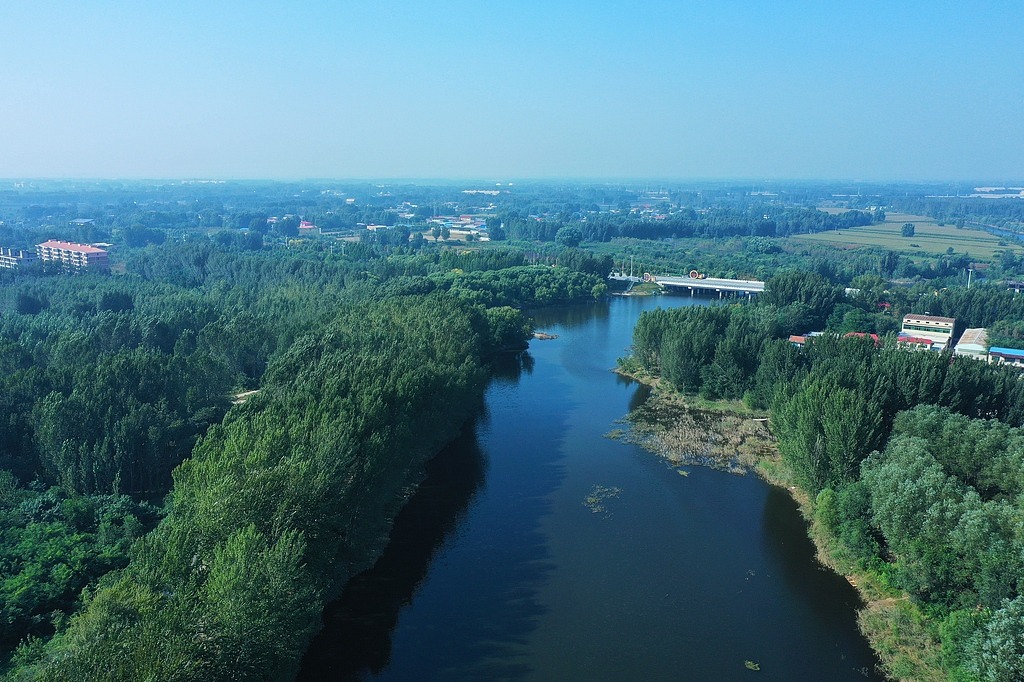
On May 27, the foundation's schooner Tara began a six-month expedition to explore 10 major European rivers and identify the sources and behaviors of microplastics as they disperse into the ocean, and to understand their impact on marine biodiversity and the food chain.
"This pollution must be seen as an everyday bleed of plastic - a bleed we must stop as soon as possible," Trouble said.
Ju Maowei, a researcher at the National Marine Environmental Monitoring Center, said uncontrolled plastic waste is the main source of marine microplastics in China. He estimates that the country produced 6.3 million metric tons of plastic trash in 2017, and about 12.6 percent of it has entered the sea.
During field investigations, Ju has discovered that sources of China's marine debris include poorly managed landfills in coastal cities, illegal dumping of trash in coastal villages, abandoned fishing gear and containers in aquaculture farms, domestic waste dumped in the lower reaches of rivers and beach litter left by tourists and local residents.
"In recent years, government agencies have issued a number of policies on waste management, and local governments have invested a lot in the waste treatment infrastructure, which have all been helpful in reducing marine debris," he said, citing Hainan province's ban on the production and use of nondegradable plastic products as an example.
Li Daoji, director of the Plastic Marine Debris Research Center at East China Normal University in Shanghai, said the government should promote life cycle management of the plastic and circular economies to reduce waste.
"A national program of trash sorting is needed because it could well hold back the microplastics at source, and it is also very important to educate the public about marine debris," he said.