'Tools' to help cut salt intake almost ready









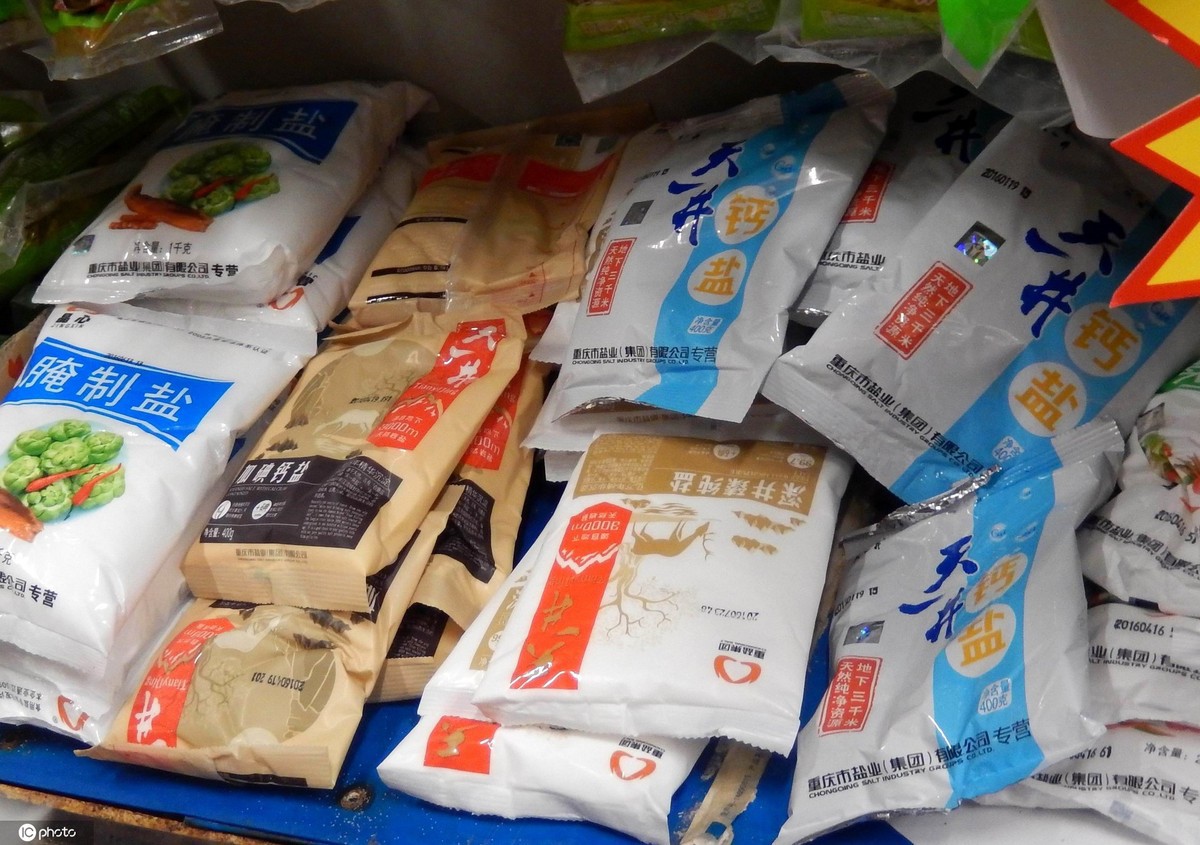
China-Britain program plans reduction by 30% by 2025 among Chinese population
A four-year China-Britain cooperation project aimed at reducing dietary salt intake in the Chinese population has made remarkable progress, paving the way for promotion of salt reduction methods among the public early next year.
Breakthroughs have been made in the past two years in the research on salt reduction methods since Action on Salt China was launched, Zhang Puhong, deputy director of The George Institute for Global Health, in Beijing, a leading participant of the project, said. The research included developing salt reduction awareness materials for targeted groups, such as students, housewives, chefs and food production enterprises, building media platforms, including WeChat, social media and websites, and developing more than 10 different kinds of mobile phone apps to help the public reduce salt intake.
Action on Salt China is a program launched in Oct 2017 jointly by six institutes and universities from China and the United Kingdom, which include Queen Mary University of London, Chinese Center for Disease Control and Prevention, and China National Center for Food Safety Risk Assessment.
"We have almost finished the research. Major tasks for the later part of the program will be to promote salt reduction tools among the public for tangible results," he said.
The program is aimed at helping China reduce the per capita annual salt intake by 15 percent by 2021 and 30 percent by 2025 by carrying out a series of salt reduction programs, which will focus on key areas of salt intake such as restaurants and prepackaged food, Zhang said.
"Through the program, China will borrow experiences in salt reduction from the UK and other developed countries to find methods that are suitable to China," Zhang said. "The efforts will not only benefit China, but also the health of other countries."
Salt has been considered a major culprit in causing hypertension and other major chronic diseases.
A study conducted by Chinese and British scientists during the program, which covered 6,000 people in six provinces in China, showed that Chinese people consumed 11 grams of salt on average every day, far higher than the World Health Organization-recommended 5 grams.
Reducing salt intake has been regarded as an urgent task by the Chinese government to reduce health risks to the people. The daily intake of salt on average is expected to fall to five grams or below by 2030, according to a national health promotion strategy released by National Health Commission in July.
Liu Yu, an associate professor in computer sciences at Beihang University in Beijing, one of the six participants of the program, said his team has developed five apps that help the public to reduce salt intake.
One of them, App Salt, can tell users how much salt they have been consuming every day by analyzing information uploaded by users, including consumption of salt in kitchen, frequency of going to restaurants, and users' personal physical data, he said.
The app has been in trial in several provinces, including Hebei and Hunan, he said, adding that it may be launched next year.
"Chinese consume too much salt compared with people from many other countries, which poses a major threat to health," Zhang, from The George Institute for Global Health, said. "Worse, many people are still not aware of the fact. We must, first of all, create an atmosphere to encourage all sections of society to take action to reduce salt intake."
The sauces sold in China contain on average 4.4 times more salt than similar sauces sold in the UK, according to a research that surveyed around 1,000 such products in each country, which was led by Queen Mary University of London and The George Institute China.
The research, published in the British Medical Journal in September, said the salt content in the sauces sold in the UK mostly decreased when targets were set over the past 10 years. For products where no targets were set, the salt content mostly increased.


- Guangzhou plans 45-minute fireworks show for Chinese New Year
- Explore archaeology and museums in Beautiful Hebei episode nine
- Mainland spokesman: Taiwan-US trade deal sells out Taiwan
- China sees sustained drop in serious crimes: top procuratorate
- China's top court boosts engagement with NPC deputies
- China speeds up post-disaster rebuilding to secure sustainable future for quake-hit county