



Why Pompeo can't drive a wedge between China and Central Asia









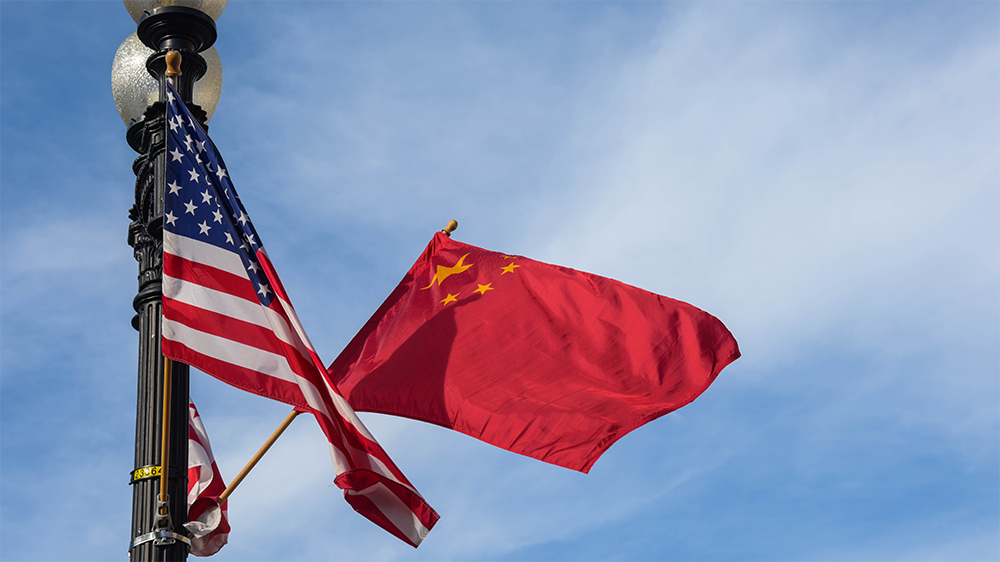
US Secretary of State Mike Pompeo has been touring Central Asia with visits to Uzbekistan and Kazakhstan. He could not have made his objectives more publicly clear: The visits are an effort to drive a wedge between these respective countries and China, urging the country's neighbors to take a tough stance against matters related to Xinjiang and to choose business with the US over Beijing.
The visits, although pre-planned, mark a sudden spike in anti-China activity by Pompeo after having unsuccessfully tried to push the UK and EU to ban Huawei from their 5G networks.
However, his posturing in Central Asia appears to have been met with very little enthusiasm, and had no open success. In official statements, both of the countries Pompeo visited refused join in his chorus, with Uzbek Foreign Minister Abdulaziz Kamilov openly criticizing his efforts by stating "we would really not like to feel on ourselves unfavorable political consequences in relation to some competition in our region between large powers."
Why the effort wasn't successful is quite obvious. These countries are China's neighbors, and states that are in regional proximity to one another – especially smaller states towards larger regional powers – are structurally inclined to pursue more cooperative diplomacy and avoid contentions.
This is especially so when one looks at the specific geography of the Central Asian region, with these landlocked states being reliant on inbound pan-continental infrastructure investment from China as a means to propel their economic growth, something the U.S. is pretty much irrelevant to. Therefore, his efforts to drive a wedge between these countries and China are a non-starter.
If we place the level of analysis of international relations in terms of a "regional sub-system" that is how states in a close geographic area interact with each other, we see some important patterns emerge in their diplomacy. Countries who are next to each other, even if they have strong points of contention and disagreement, are structurally inclined towards learning to live with each other and co-exist.
This is especially so from the position of smaller states in their relationship towards a given regional power and hegemon. For example, countries in the Americas may have some grievances against the U.S. However, Washington's dominance in that given sphere predisposes the majority of them towards seeking a positive and stable relationship with America, recognizing that a path of contention is contrary to their national interests.
The situation is similar for countries in Central Asia that border China. To pursue a path of contention against Beijing is simply unthinkable from their perspective, thus they work openly and cooperatively with Beijing. Geography accelerates this trend. Central Asian countries are in effect landlocked. They have no access to ports, and therefore they are completely and wholly reliant upon cross-border and continental trade.
Furthermore, their economic position depends on an expansion of infrastructure which integrates Eurasia. Thus, the Belt and Road Initiative (BRI) becomes absolutely essential to the national interest of these countries. If enhanced roads and railways more deeply connect Kazakhstan and Uzbekistan to both the East and West, that is a huge win for them, which is the only way they can establish feasible export markets.
Given this, these countries recognize instantly that to distance themselves from Beijing would incur an immense cost to their own economic development. Pompeo attempted to paint the U.S. as an alternative. While these countries will not turn down American investment, any such investment cannot compensate for the regional dynamics which China provides and the foundation which the BRI provides. The U.S. is geographically distant from Central Asia and with no sea ports, cannot supplement the countries on any aspect of trade or commerce.
In this case, Pompeo's efforts stand very little chance of success. The prospect of driving a wedge between these countries and Beijing is a non-starter, and in doing so he openly dismisses the perspectives and national interests of those given nations. Thus, Central Asian countries will remain vital partners with China as regional numbers, and will continue to pursue Belt and Road-related investments in view of expanding their own continental clout and making up for their geographical limitations as landlocked countries.


Today's Top News
- Country retains spot as largest shipbuilder
- Shanghai eyes top-tier global city standing
- Start of Spring offers a fresh, warm taste for the year ahead
- Symphony Kukai bridges cultures through music
- Chinese electric buses prove just the ticket: China Daily editorial
- Xi calls for cooperation with Uruguay in multiple areas







