



Changing climate raises risk of global pandemic









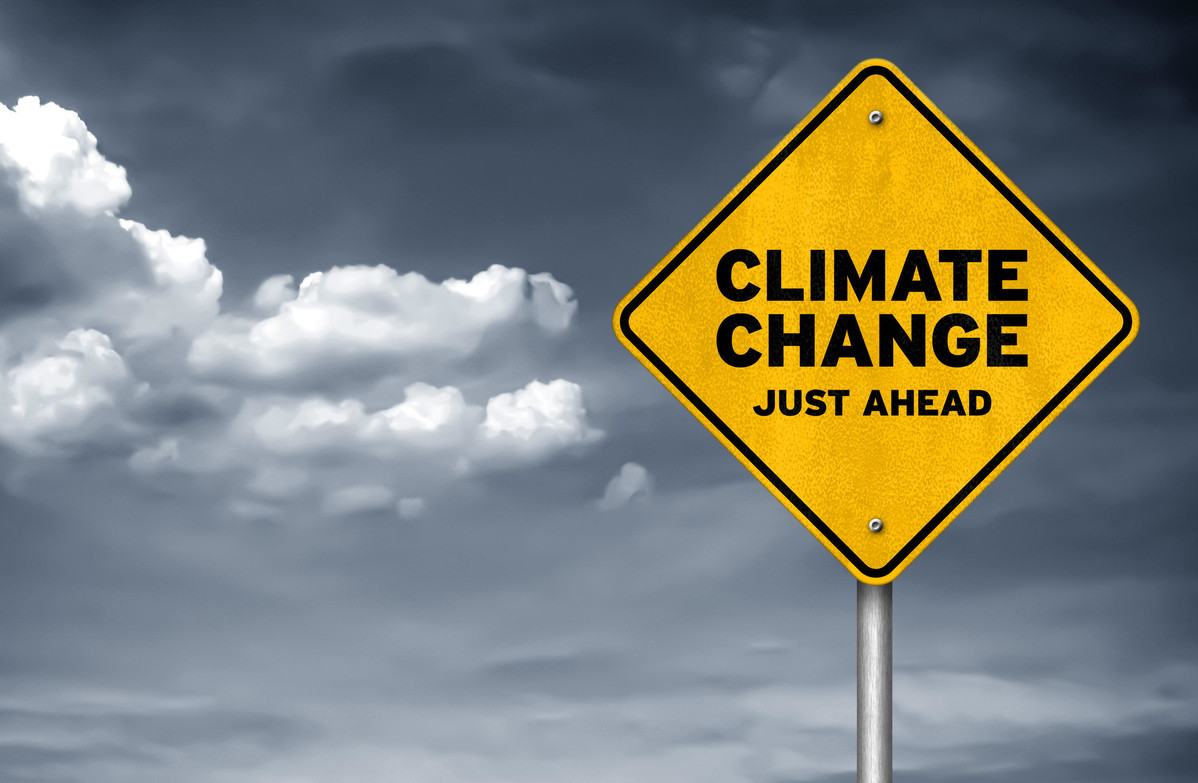
While conspiracy theorists have suggested that the novel coronavirus outbreak may have been a biological attack on China, such suggestions divert attention from the real causes that need to be addressed, namely human folly-in this case, people selling/eating things that they should know by now to leave well enough alone, after all that's why they are banned-and climate change.
While foolishness is endemic to our species and the possibility of a biochemical attack-or mishap-should not be taken lightly, the real risks of a pandemic stem, like so many pressing problems of the moment, from climate change.
The awareness that weather and climate are linked to the incidence of infectious diseases in humans has been recognized since at least the time of the ancient Greek physician Hippocrates. Stressing that there were natural rather than supernatural causes for illnesses, he observed that abrupt climatic changes or unusual weather conditions affect both the incidence and severity of various infectious disease.
Fast forward through the centuries to more recent times and many studies over the past 20 years have shown how climate change is increasing the risk of a zoonotic pandemic.
This is because the climate emergency is also an ecological crisis that is driving an upward trend in the emergence of diseases caused by pathogens transmitted to humans from other species.
It is a matter of urgency that we better understand the impacts of climate change on zoonotic infectious agents.
That means we need to know how climate change is disrupting ecosystems and the ecological niches of species and altering the distribution patterns of humans and the species most likely to host or vector dangerous pathogens-particularly bats, it seems.
The United Nations High Commissioner for Refugees warned on Jan 21 at the World Economic Forum in Davos, Switzerland, that the world needs to be prepared for a "large surge of people moving against their will" because of the effects of climate change-"certainly we're talking about millions".
This will lead to displaced and dense populations that are hotbeds for zoonotic infection transmission. And it, of course, it will be a surge not just of people, but other species as well.
These duressed migrations will alter and compress where and how humans come into contact with wildlife, increasing the potential for zoonotic pathogens to move from host animals into human populations.
Although zoonotic diseases can be caused by bacteria, parasites and fungi, it is a novel virus emerging from animal reservoirs or as the result of a series of mutations in previously circulating viruses that health experts believe will be the next deadly human pandemic-hence the reaction to the one that has emerged in China.
To address this risk, it is not only necessary to determine how climate change is affecting the habitats of known animal reservoirs and if and how the distribution of these species is being refashioned. It is also necessary to monitor changes in the rates of viral pathogen reproduction, replication or mutation, as these may indicate an increased risk of the pathogen being transmitted to humans.
Changes in precipitation also need to monitored, particularly heavy rains that create favorable environments for bats, as well as the melting of permafrost and ice which could release long-frozen pathogens.
In fact, there's a whole of host of nasty things out there, and they all need keeping in an eye on.
But as well as a shared will, being prepared will require money and resources.
Without these, even with the best will in the world, accelerating climate change means it is only a question of when not if there is a another devastating pandemic.
At the same time, people's fear at the possibility of the novel coronavirus becoming a pandemic should be used as a spur for more realistic efforts by governments and individuals to reduce the greenhouse gas emissions that are driving climate change.
The author is a senior editor with China Daily.





