



Sharing economy gets HR twist









Flexible jobs, worker redeployments redefine employment during epidemic
There's a new dimension to China's sharing economy. Human resources, it turns out, can be shared too among employers in a way that sustains the economy during troubled times.
During a crisis (like, say, an economy-unsettling epidemic), flexible work arrangements seem an eminently sensible way to not only stay afloat individually but sustain and strengthen at least some, if not all, business segments.
Startups as well as established corporate giants that operate online grocery apps in China will probably agree. Consumers staying at home due to the COVID-19 epidemic turned to their digital retail channels to stock up on food stuffs. This necessitated additional deliverymen, in the process spawning an innovative business that has far-reaching implications for the way workers are henceforth employed and compensated.
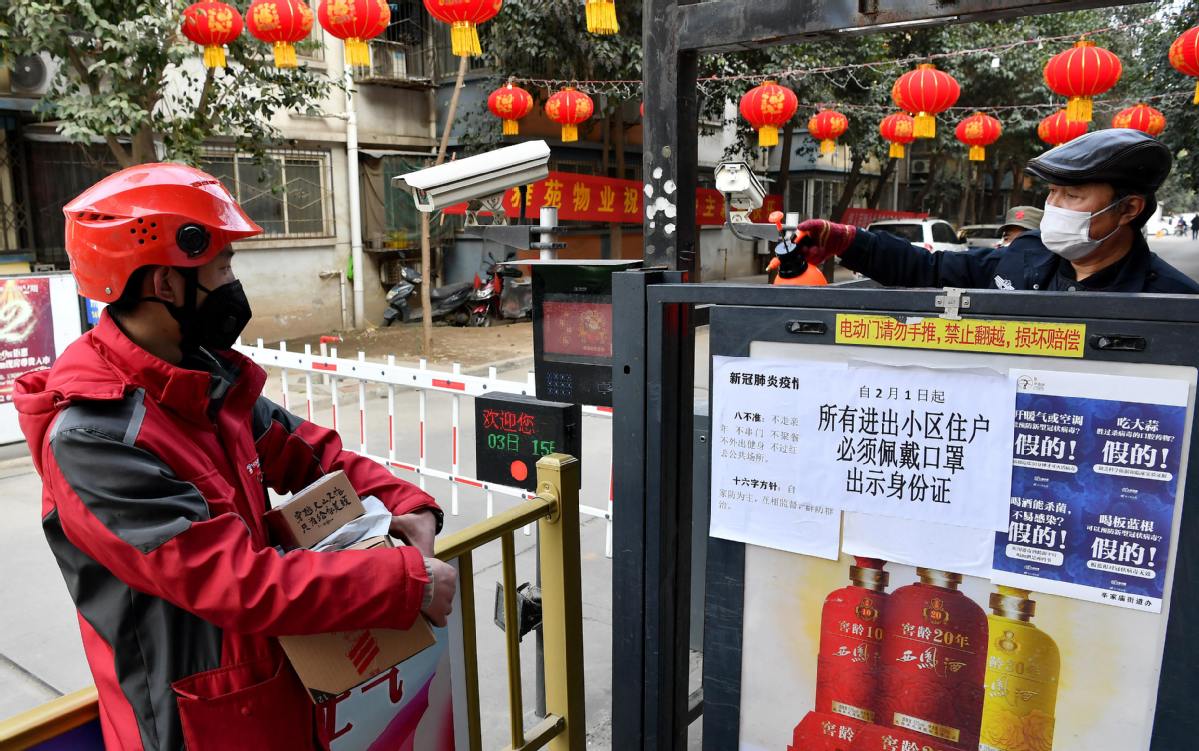
Online grocery apps such as Hema, JD Fresh, Daily Fresh and Dingdong Grocery would not have been able to rake it in over the last two months without the help of the vast army of couriers.
What makes the latter's role even more amazing is that most of them are novices or newcomers in the delivery business. Be it a restaurant receptionist or a cashier at a supermarket, they chose to work as couriers during the outbreak to survive loss of job or extended leave without wages.
Technologies like big data, the never-say-die spirit of Chinese entrepreneurs, and their ability to think on their feet made it possible to juggle the workforce, redeploying idle hands in some affected sectors like offline retail and restaurants to businesses like e-commerce that faced severe shortage of manpower, experts said.
Zhao Yuxiang acknowledges what a difference a job switch can make to his life at this point in time. He is among thousands of employees who are struggling to maintain a steady paycheck. The restaurant chain he worked for in Shanghai was forced to temporarily shut down as customers dwindled to a trickle due to the outbreak.
"Though the company has promised to pay a basic salary and subsidies in the following months, I'm looking for a part-time job," said Zhao.
Pioneering the employee-sharing initiative is Alibaba Group's Hema, which owns both online and offline shops with a wide portfolio of premium food items. In early February, it began hiring from restaurants and retail chains big and small that were riddled with idle or excess manpower as well as a capital crunch.
Jia Guolong, head of popular catering hall brand Xibei, warned that popular restaurant chains could survive no longer than three months on loans. He admitted even companies like Xibei could be on the verge of bankruptcy if things do not improve in the short term.
"Takeout orders reach about only 10 percent of the previous average, and over 20,000 workers are unemployed," Jia said.
Two weeks since Hema kicked off the job-share scheme, over 1,000 Xibei employees have donned Hema's iconic blue vests and started work in their new job as deliverymen.
For Hema, this brought in cost and time benefits: the firm did not have to conduct elaborate interviews and background checks, given that the integrity and credentials of the staff it was hiring were vouched for by their current employers. This was just as well because the move obviated potentially risky in-person interactions during the contagion.
For current employers such as restaurants and retailers, the arrangement helps keep their idle staff employed elsewhere during the difficult period. Although the former may not gain financially from the staff-share agreements, they do value employee loyalty and corporate social responsibility-helping keep workers gainfully employed preserves social order as well.
According to Hema data, 3,000 temporary recruits have been onboarded. They were sourced from 32 brands spanning catering firms, ride-booking companies, shopping malls, hotels and cinemas.
"The idea of sharing employees first came up as a temporary measure to handle the changes brought by the epidemic, but we have seen great potential in it," said Hu Qiugen, who manages Hema's national operations.




















