Africa's city govts need help to mitigate COVID-19 impact









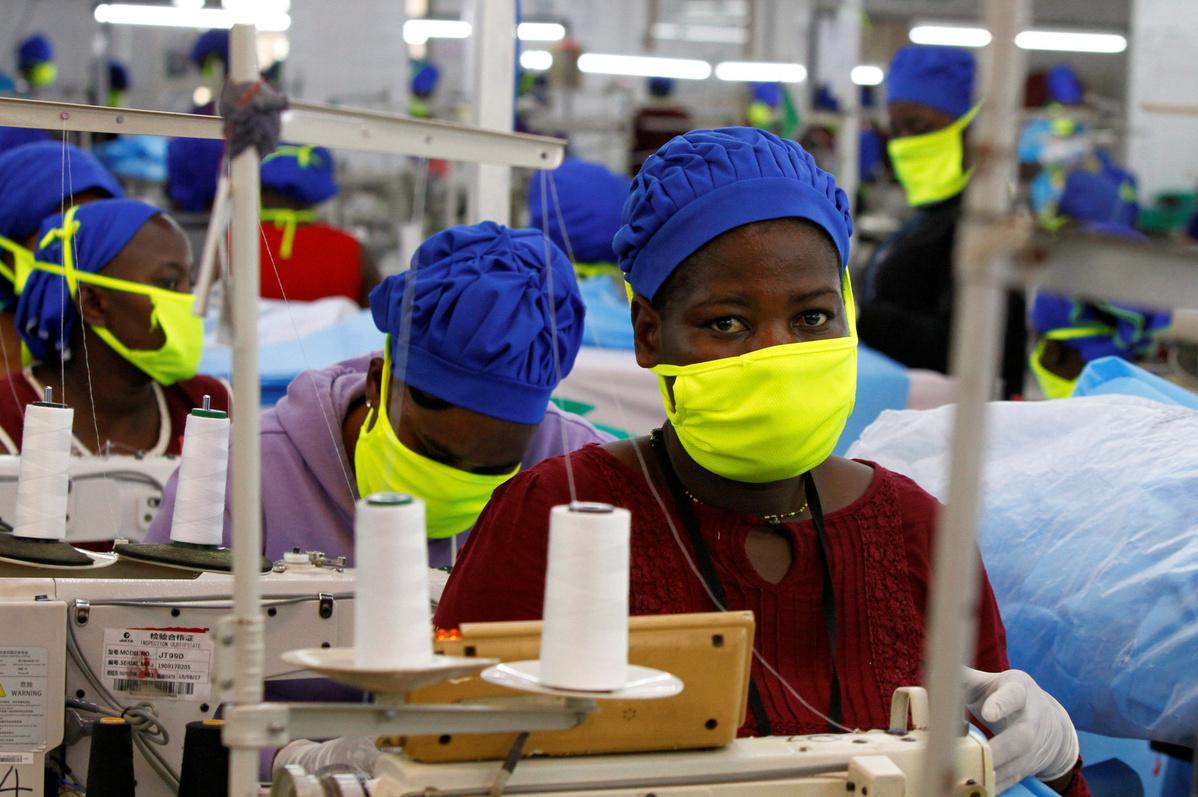
As African governments consolidate efforts and define stimulus measures to mitigate national and regional economic impacts of the coronavirus pandemic, the United Nations Economic Commission for Africa is calling for adequate consideration of the vulnerability of city economies.
"As engines and drivers of economic growth, cities face considerable risks in light of coronavirus with implications for the continent's resilience to the pandemic," said Thokozile Ruzvidzo, director of the Gender, Poverty and Social Policy division of the commission.
The UN agency said city governments should be supported to mitigate and respond to the economic effects of coronavirus, in addition to the immediate health and humanitarian focus.
Africa's cities are home to 600 million people and account for more than 50 percent of the continent's GDP and even over 70 percent in some countries like Botswana, Uganda, Tunisia and Kenya, the UN agency said.
A third of the national GDP, translating to 31 percent, comes on average from the largest city in African countries. As such, the economic contribution of cities in the region is far higher than their share of population.
However, this impressive performance might be severely affected by the impacts of coronavirus.
The Economic Commission for Africa said the urban-based sectors of the economy including manufacturing and services which currently account for 64 percent of GDP in Africa, are expected to be hit hard by coronavirus-related effects, leading to substantial losses in productive jobs.
In particular, the approximately 250 million Africans in informal urban employment excluding north Africa will be at risk.
The UN agency said firms and businesses in African cities are highly vulnerable to coronavirus-related effects, especially small and medium-sized enterprises which account for 80 percent of employment in Africa. These risks are compounded by a likely hike in the cost of living in some African cities.
Urban consumption and expenditure is likely to experience a sharp fall due to coronavirus-related lockdowns and restrictions. This is especially the case for food, manufactured goods, utilities, transport, energy and services.
Ruzvidzo said Africa's cities drive consumption with their growing middle class with per capita consumption spending in large cities being on average 80 percent higher at the city level than at the national level.
"Coronavirus-related decline in urban consumption will thus impact domestic value chains, including rural areas," she said.
With the per capita expenditure of African local authorities being the lowest in the world at $26, the UN agency said many local authorities are poorly resourced and less able to contend with the onslaught of coronavirus.
Their revenue streams are also likely to fall, curtailing their already limited ability to respond to the coronavirus crisis.
The commission said the intergovernmental and national transfers which account for 70 to 80 percent of local authorities' finances are likely to be reduced due to immediate national response and recovery requirements.
To mitigate the coronavirus impacts on city economies, the UN agency called for disaggregation of the analysis and identification of priorities and responses at the sub-national and city scales as the first step.
The agency said proactive measures are needed for urban economic recovery including boosting finances and capacities of local authorities as first responders, short-term bailouts and exemptions for small and medium-sized enterprises to limit productivity and employment loses.
This is in addition to social protection for those in informal urban employment while anticipating the potential of labor-intensive public work programs for job creation in the medium term.
Ruzvidzo said local governments must be supported because they are better able to respond to local needs including in coordination with community-based structures.
The UN agency is proposing adequate investments to address the substantial deficits and barriers faced by city economies, as a long-term measure.
"With more than half of Africa's population expected to live in cities in just 15 years, the risks of poorly planned and managed urbanization are considerably high, rendering millions vulnerable to the effects of future shocks," the agency said.