Displaced people face high risk of infection









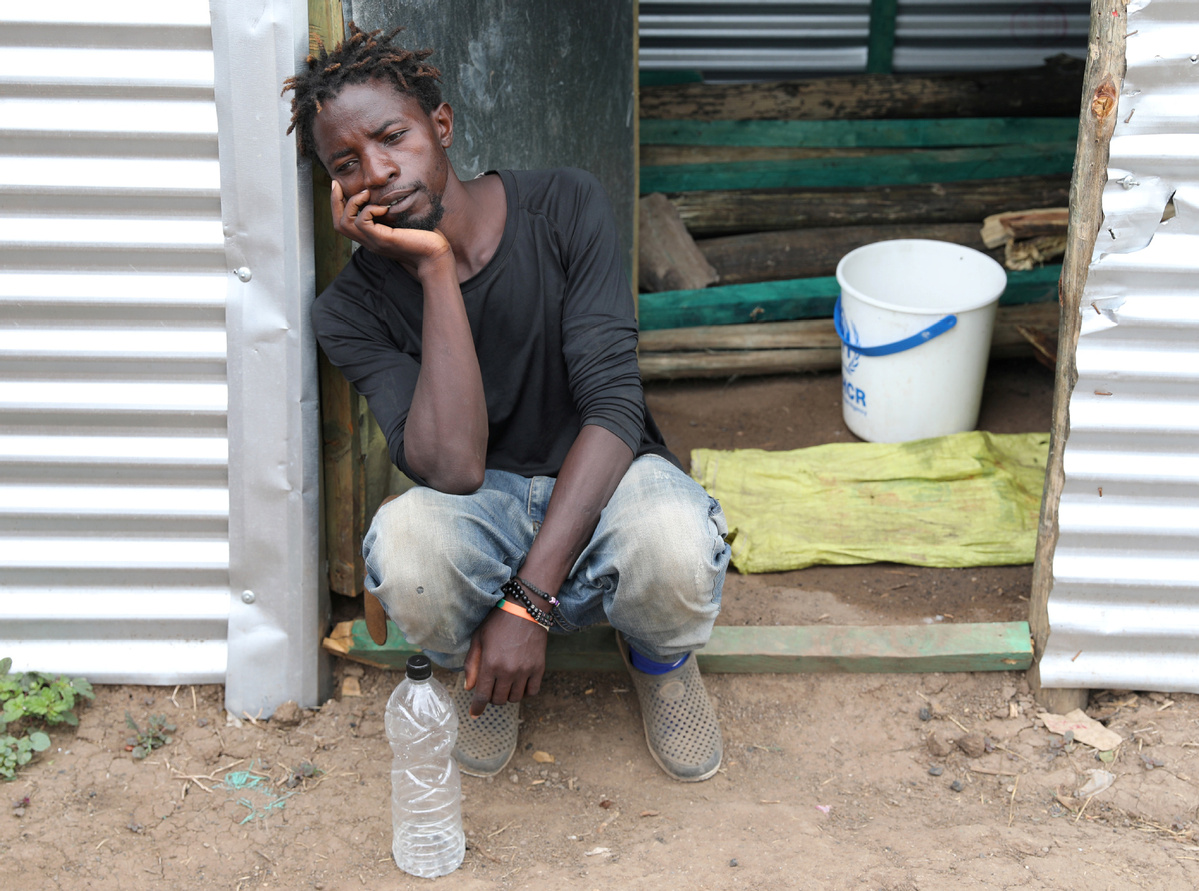
The COVID-19 storm is exacerbating the plight of refugees and internally displaced people. Today, a majority of the 213 countries and territories or areas with confirmed cases of the coronavirus are hosting victims of forced displacement.
On March 25, the United Nations Office for the Coordination of Humanitarian Affairs, in collaboration with humanitarian partners across the world, unveiled the new Global Humanitarian Response Plan for COVID-19.
The response plan was crafted to ensure that the approximately 70.8 million people who have been forced from their homes, including 25.9 million refugees and 40.3 million people displaced inside their countries due to wars, natural disasters and other emergencies, are cushioned against becoming victims, carriers and agents for the mass spreading of COVID-19.
Globally, most of the refugees live in countries that are less prepared to combat the pandemic. These are countries where conflicts have destroyed healthcare infrastructure and weakened the healthcare systems.
In Africa, there are more than 25.2 million refugees and internally displaced people. The Horn of Africa alone has about 5.3 million displaced people and 2.5 million refugees, who are likely to be hit hardest by the pandemic.
Somalia, one of the most unstable countries in the world, has an estimated 2.5 million displaced people and more than 16,000 refugees. Cumulatively, Africa has four of the world's six largest refugee camps (in Kenya, Tanzania, Uganda and Ethiopia).
These camps are vulnerable to the transmission of COVID-19.They are overcrowded and lack adequate water, sanitation and hygiene facilities. A majority of the refugees are individuals with weak immune systems due to stress and lack of proper nutrition.
To curb the spread of COVID-19 within territories that have refugees and internally displaced people, many African countries have adopted strict migration measures aimed at reducing entry through suspension of visa processes, border closures and implementation of severe air, water and road travel restrictions.
In Kenya, the Refugee Affairs Secretariat has suspended the issue of passes for movement between the towns of Kakuma and Dadaab and the capital, Nairobi.
Furthermore, in the African Union Mission in Somalia, a peacekeeping mission, the movement of personnel has been limited to that which is essential. New deployments have been suspended, and civilian staff members outside Somalia are working from home. Nonessential staff members have been moved out of Mogadishu.
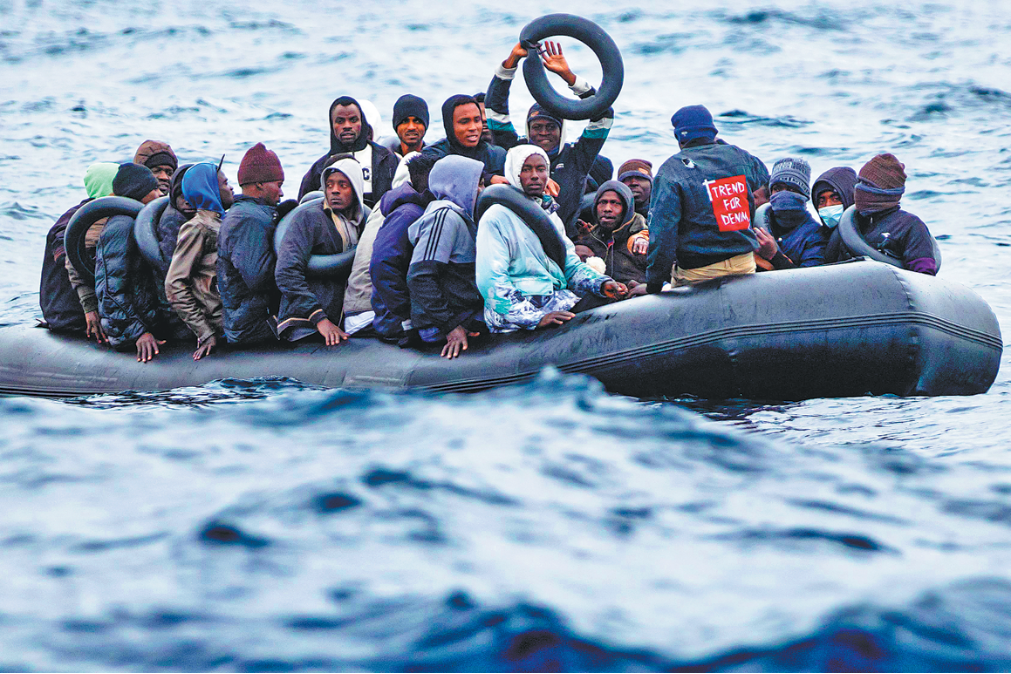
In Libya, experts warn of dangers facing the 700,000 refugees and migrants already subjected to "unimaginable horrors" in the country.
In South Africa, as part of a nationwide lockdown, the country has closed all ports with its neighboring countries. Some refugee reception offices have stopped accepting new asylum applications as the government enforces strict measures to deal with the COVID-19 crisis. The coronavirus lockdown in South Africa was eased on May 1.
On March 10, in a continued effort to curb the spread of COVID-19, the International Organization for Migration, an intergovernmental organization that provides services and advice to governments and migrants concerning migration, and the United Nations High Commissioner for Refugees announced that resettlement travel for refugees would be temporarily suspended.
However, the implementation of these measures has been a challenge. The closing down of border entries doesn't mean people will stop trying to cross them.
In reality, the closure of these borders and other entry points has led to an increase in irregular and dangerous routes that have no health screening measures. This has exposed Africa's porous borders and also made its citizens vulnerable to the pandemic.
The effect of these porous borders is that many individuals seeking asylum due to conflict-related cases may be asymptomatic, leading to mass infection of COVID-19 in areas of movement.
With no proper surveillance of these illegal routes, contact tracing of infected individuals may also become a big challenge, leading to mass infection of individuals within the refugee camps.
However, as the new global humanitarian response plan takes shape, African peace and security architecture must also be implemented to ensure a total ceasefire in all conflicts to mitigate the suffering of affected refugees and migrants in Africa.
The author is a senior policy adviser at the Africa Policy Institute in Kenya. The views do not necessarily reflect those of China Daily.