



Building a better post-pandemic world for our children









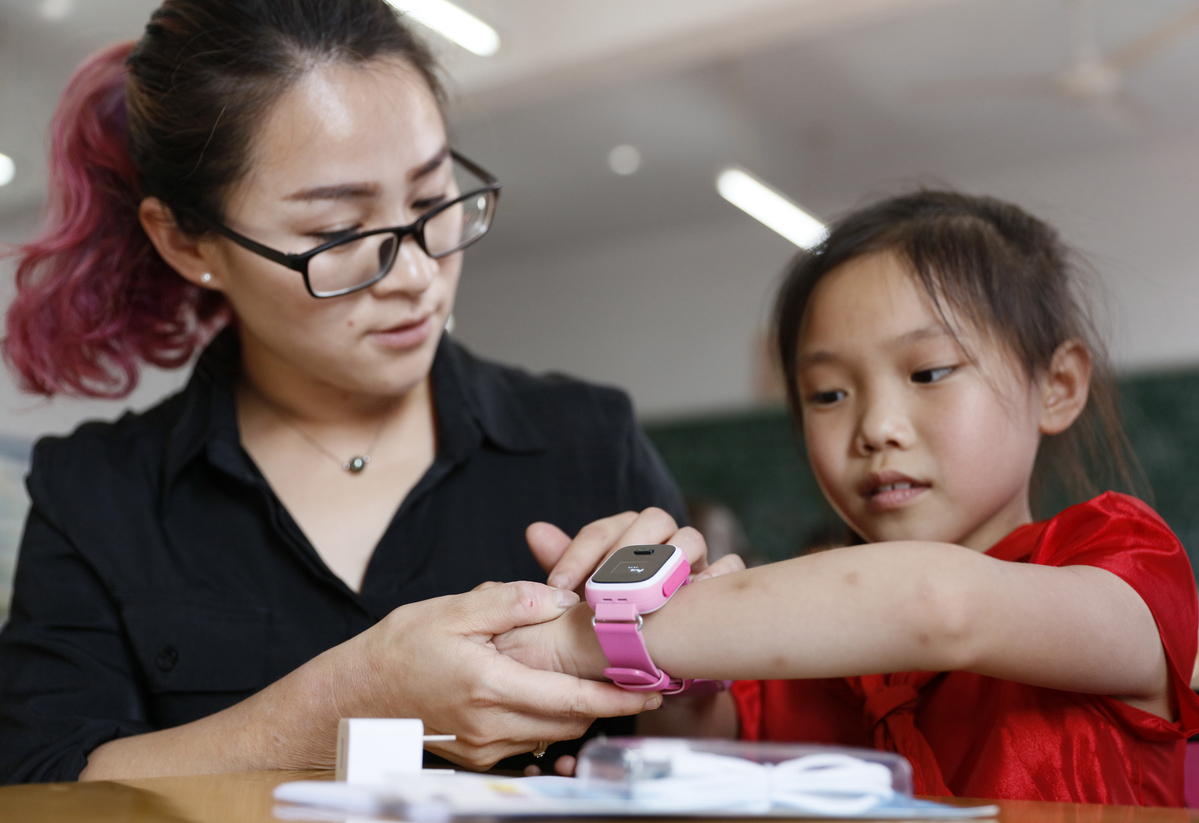
Today marks the 66th International Day for Protection of Children and children are celebrating this day by resuming their campus life in reopened schools.
Similar celebrations occurred in kindergartens and schools in other countries. But in many parts of the world, campuses are still vacant. Many children still rely on online learning platforms and a mixed media including TV and radio to continue their study, some are struggling with their study or even have dropped out due to various difficulties caused by COVID-19.
Worldwide, although children have so far been largely spared from the most severe symptoms of the COVID-19, their lives are being totally upended, as noted in a policy brief launched by the United Nations on the impact of the 2019 coronavirus epidemic on children.
In a launching speech of the policy brief, UN Secretary-General Guterres emphasized his concern over the well-being of the world's children and appealed to families everywhere, and leaders at all levels for the protection of children.
As of April 2020, 1.6 billion learners in 199 countries – representing 91 percent of the total number of enrolled learners that have been away from their schools.
This does not only impact children's academic performance, but also their access to a range of services such as health, nutrition and protection offered in and through schools.
In 143 countries, almost 370 million children lack school meals, a reliable source of daily nutrition, especially for those coming from disadvantaged backgrounds, which are essential for their cognitive development and well-being.
Along with physical distancing and school closures are social isolation, when children are away from social activity and interaction with their peers and teachers on campus. This also affects children's emotional and social well-being which is essential to learning and development.
Furthermore, lockdowns and confinement heightened risk of children witnessing or suffering from violence and abuse. Relying on online learning through internet has also increased their risk of exposure to inappropriate content.
The education crisis come along with economic recession involving public budges contract and household increase drop. It is estimated that the pandemic would push 40-60 million more children into extreme poverty, leaving schools precarious to various conflicts and crimes.
During the pandemic, governments in the world are taking various policy measures to address the challenges and respond to immediate needs of learners and education systems during the COVID-19 pandemic.
To ensure education continuity, all countries are introducing or scaling up existing distance education modalities based on different mixes of technology.
Educational television and radio are powerful tools to ensure equity in access to online learning. In China, during the pandemic, classroom air through educational television broadcasts 14 hours every day during the pandemic.
School feeding programs are adapted in many countries to ensure children's nutrition and health. Schools meals were delivered at family pick up points, alternatively vouchers or cash transfer programs were implemented to compensate the parents.
Many countries such as China, Japan and Spain, provided psychological assistance, including a 24-hour hotline, monitoring calls on top of interactive online classes to ensure children's social and emotional well-being.
In such a crisis, it is important to monitor the situation of children and provide the services they need. In China, schools and teachers follow close track of every student's situation and performance, with a particular focus on the most vulnerable children, and enlarge support when difficulties and problems arise.
During the COVID-19, what started as a public health emergency has snowballed into a formidable test for the prospects of today's young generation. In spite of the efforts, the pandemic is likely to have not only impacts on children, but also the most lasting consequences for societies as a whole.
Even before the pandemic, 258 million students from primary and secondary school were out of school. It was estimated that more than 220 million children, adolescents and youth will still be out of school in 2030 without a radical shift in education policy and investment.
It was forecasted that the pandemic could reduce planned increases in education spending in 2020, or in worse cases, per-capita education spending could fall significantly in all regions, meaning that almost all the countries will operate and develop education systems with less expenditure.
To address these challenges, and to avoid or minimize the negative effects of this crisis on children, we need more information, more solidarity and more action, particularly through international cooperation. We need to work together, drawing the lessons from the crisis, to develop more resilient and holistic institutions and systems for children's education, health and safety.
In particular, we need to create and implement new education modalities with an updated curriculum that emphasize health, academic performance, and social and economic development, a better resourced campus with a mix of media and technologies, more competent teaching force, more school-parent collaboration, as well as partnership of various key stakeholders.
In doing so, we could have better preparedness for future crisis and lay the foundations for our children's development.


Today's Top News
- China to rebalance growth with domestic demand boost
- Consultative suggestions provide policymakers with essential inputs to finalize five-year plan
- Decoding China: How the people run the country
- AI helping to redefine entrepreneurship
- China's judges enhancing global role
- FM calls for joint efforts to de-escalate Mideast tensions





