There is something about meat, seafood markets that needs prompt attention









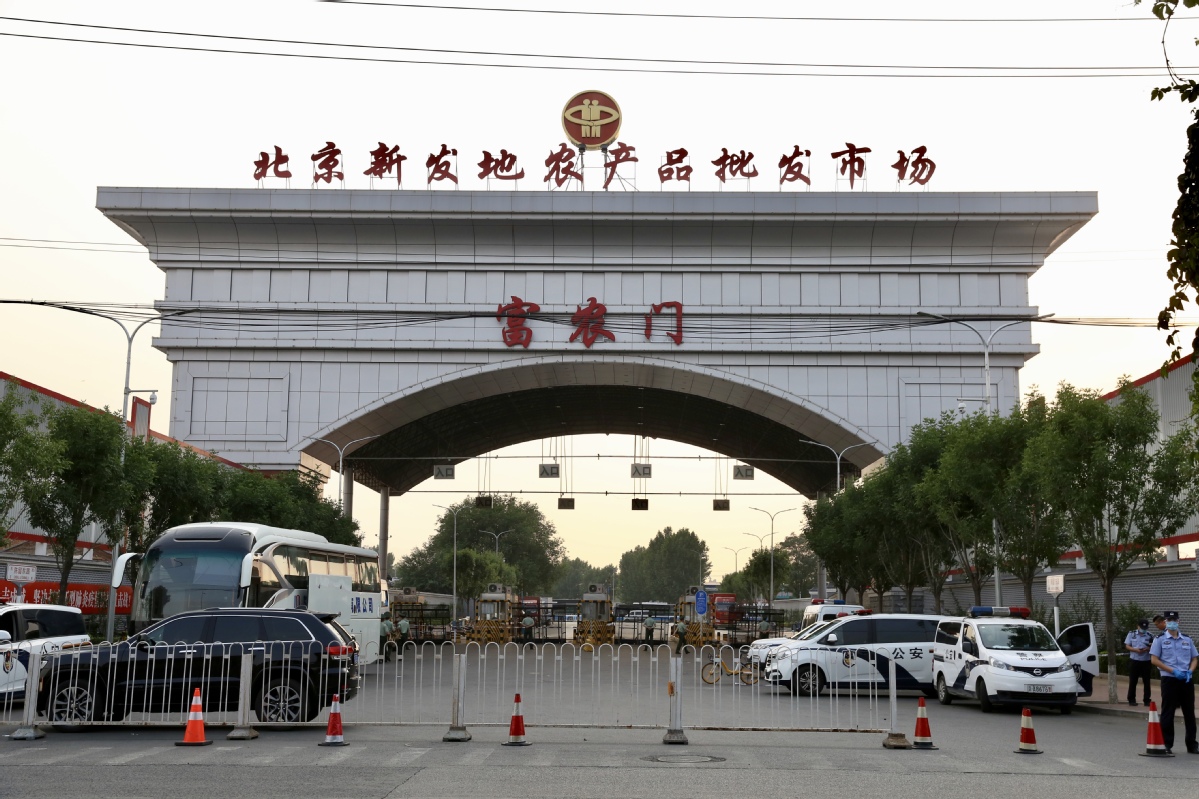
The sudden COVID-19 outbreak at a wholesale food market in Beijing's southern district of Fengtai is an unwelcome reminder that there is still much to be learned about the novel coronavirus and its means of transmission. The world's attention to the novel coronavirus was first riveted to a food market in Wuhan, which accounted for a high percentage of early cases in China.
Leaving the question of the origin of the virus to scientists, it still seems fair to speculate that there is something about markets that requires immediate attention.
Shoppers in supermarkets, especially in the West, are accustomed to buying meat and other food products wrapped up, packaged and branded, no questions asked. Fish are no longer swimming, chickens no longer clucking, and the food chain is an abstraction.
Traditional Asian markets, and farmers' markets in the West are a step closer to fresh food, the desirability of which speaks for itself, but sometimes problems arise on account of freshness. "Modern" beef-packing plants from Iowa and South Dakota in the United States to Rio do Sul in Brazil have been hard-hit with explosive outbreaks. By mid-May half of the coronavirus hotspots in the US were factories that process beef, chicken and/or pork.
As the biggest exporter of beef and chicken in the world, Brazil has been hit hard by the virus, and is second to the US in numbers with more than 888,000 people infected. In a single Brazil state, Rio Grande do Sul, nearly 2,500 COVID-19 can be traced to 24 slaughterhouses in the state.
Texas has seen its infection numbers jump, and not necessarily in big cities. Rural Moore County, population 20,000, has an infection rate 10 times higher on account of the local meatpacking plant which processes beef from 5,000 cows a day.
The startling number of hot spots associated with meat-packing raises critical questions. Does the cool, refrigerated air play a role? Is ventilation the crux of the problem? It raises anew the anxious question of whether the greatest risk simply comes from human beings breathing in close proximity. Although respiratory droplets have been identified as a vector that can be mitigated with distancing, the problem of aerosolized exposure is far harder to address.
In what seems like a nightmare scenario, combining the already established dangers of confinement on a floating vessel, as exemplified by the Diamond Princess and dozens of other big ships, there is an emerging awareness that something about the processing of animal flesh poses serious problems, too.
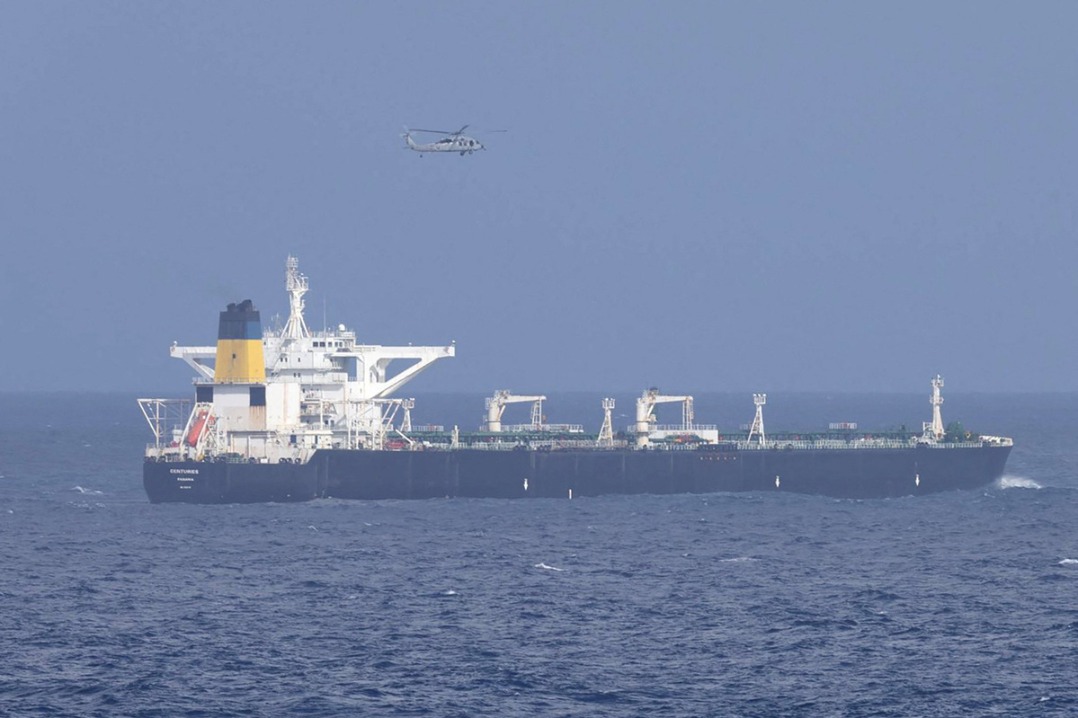
The American Dynasty, a combination fishing boat and fish-processing plant limped into the port of Seattle due to a coronavirus outbreak on board in early June. Ninety-two of the 126 workers tested positive for the virus. The US fishing industry which works the waters off Alaska has reported other outbreaks, so the scramble is on to contain the spread of onboard infection and to find protocols that allow for safe fishing and processing.
The outbreak in the US fishing industry perhaps contributed to early speculation that salmon might be a source of contamination. Too soon to say, but the salmon trade is another example of an industry being shaken to the bones by the COVID-19 scare. There is even talk of cancelling the 2020 salmon fishing season in Alaska.
Markets that sell meat and fish, fresh, frozen and processed will be under pressure to ever more exacting sanitary standards. This is surely a good thing, but it takes time and money to implement those standards.
The US meat-packing industry is responding in a piecemeal fashion, issuing face masks and instituting temperature checks, but testing remains inadequate. The failure of the US to produce, distribute and administer tests in sufficient numbers still hampers the national response to the pandemic.
In contrast China and the Republic of Korea have tested aggressively, and authorities in cooperation with the residents have mobilized the necessary resources to trace, identify and isolate people likely to have infected in response to outbreak nodules.
It is hoped that the rapid and thorough response of Beijing authorities to the Fengtai outbreak, where widespread testing and tracing is now underway, will present statistical clues not just as to what caused this "out-of-the-blue" outbreak but also help markets across the world understand the vectors and take necessary precautions.
The author is a media researcher covering Asian issues.
The views don't necessarily reflect those of China Daily.