



On the bumpy road to economic recovery









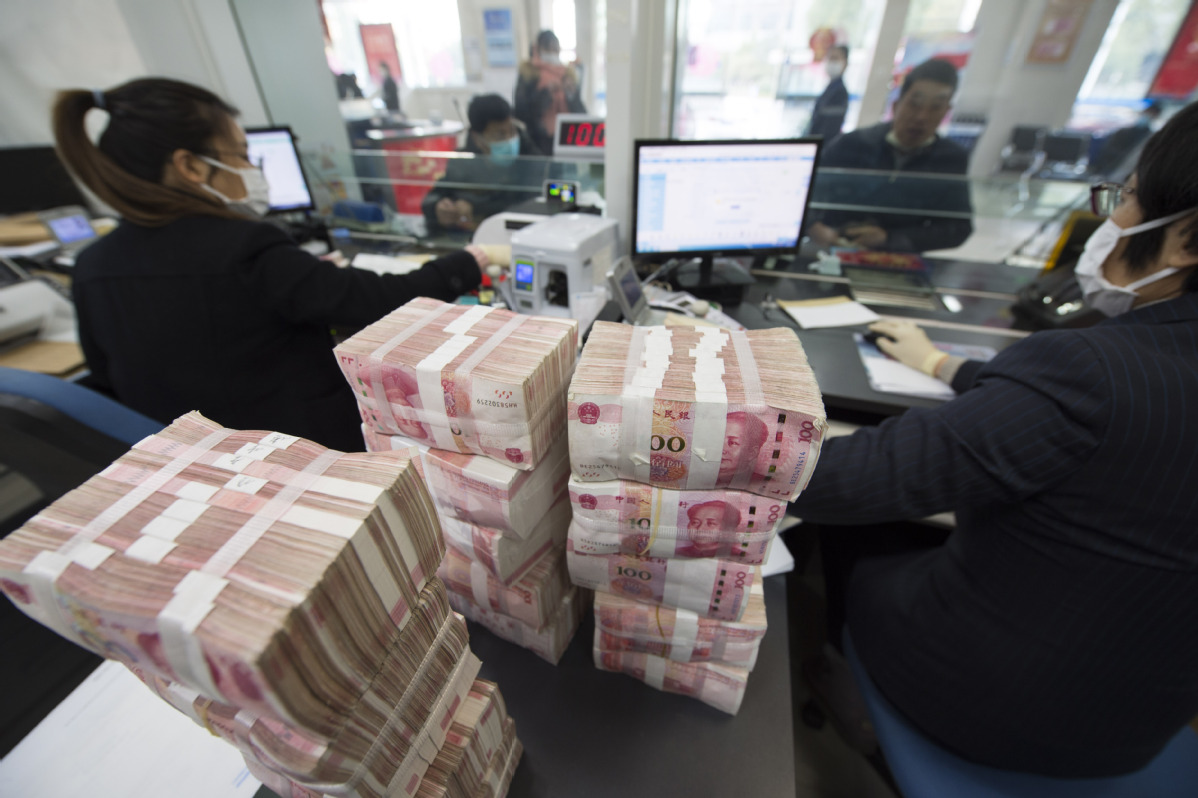
The current economic situation in China is akin to a patient's recovery after surgery. Economic activity continues to rebound, but has not yet returned to the pre-pandemic "normal". The foundation is still fragile, and the risk of further sluggishness cannot be ruled out.
The impact of the deteriorated external environment on exports will be further revealed. Also, the balance sheet constraints of affected enterprises will see these companies continue to curb reinvestment. Expansionary public financial expenditures will have limited impact on promoting economic growth.
Economic recovery cannot be isolated from the loose policy environment, which should focus on maintaining relatively lower and stable interbank market interest rates and guiding down the overall level of financing costs. Various reform measures in pilot areas are needed to explore new forces to drive economic growth.
However, major economic indicators are improving. The recovery of industrial production is the fastest among all categories. Meanwhile, investment and consumption are relatively slower. Infrastructure construction investment recovery is the strongest followed by real estate investment, while manufacturing investment recovery is weak. Home sales have continued to improve, indicated by the rising year-on-year growth rate.
But there are some economic indicators that have yet to return to anything approaching normal levels. The surveyed unemployment rate in urban areas is still high. And the year-on-year overall growth rates of investment and consumption have not yet returned to positive growth.
It is difficult for the economy to fully return to levels seen before the novel coronavirus pandemic. In addition to measures to contain the virus and psychological expectations related to economic activity, there are also constraints on external and domestic demand.
The COVID-19 impact on the global economy is much stronger than that seen during the global economic crisis in 2008. In the past few months, the COVID-19 pandemic overseas has not been effectively controlled. The decline in external demand and restrictions on the flow of human capital and assets continue to impact China's exports, and the overall effect has yet to be fully tallied. The export situation may worsen even further in the coming months.
In addition, the deterioration of enterprises' balance sheets may continue to curtail investment demand in the corporate sector.
According to changes in external demand and internal departments' balance sheets, consumption is likely to only pick up slowly in the next stage. For exports, the pressure is still considerable, and corporate investment may remain sluggish. Current infrastructure and real estate investment remains moderate, but the policy environment going forward will determine whether any recovery will be sustainable.
It may take longer for China to see its unemployment rate return to about 5 percent, and inflation to around 2 to 3 percent. Policymakers also need to consider the possibility of a second wave of the epidemic and the further impact that would have on demand.
An accommodative policy environment will be an indispensable factor in any economic recovery. After this year's two sessions, the basic tone of public fiscal policy has been settled. The next key element to maintain a favorable policy environment for economic recovery is focusing on monetary policy and reform measures.
Reasonable monetary policy needs to be maintained and interbank interest rates kept stable to guide down overall financing cost levels. In the early stages of the epidemic, the central bank responded in a timely manner and injected more than 1 trillion yuan ($140 billion) of liquidity into the market through various monetary policy tools. The DR007, the seven-day reserve repo rate for depositary financial institutions in the interbank market, fell from 2.5 percent to 1.5 percent. The central bank lowered the loan prime rate twice, which guided down yield curves.



















