



Proactive fiscal policy giving a fillip to structural reforms, say experts









China's proactive fiscal policy, which has stabilized economic growth over the past five years, aims to boost investment, consumption and support structural reforms, experts said.
During the 13th Five-Year Plan (2016-20) period, China's fiscal policy has remained largely proactive, focusing more on stimulating domestic demand and facilitating supply-side structural reforms, they said.
Though the global economic environment has become complicated, the fiscal policy has become more proactive, forward-looking and flexible, with additional fiscal tools and adjustment measures to spur economic growth, said Wan Ping, deputy head of the policy and fiscal affairs department of the Ministry of Finance.
"The fiscal policy has supported investment, consumption and ensured employment. At the same time when it stimulates economic growth, the fiscal policy has also maintained sustainability. We will put more efforts to prevent and defuse significant risks," said Wan.
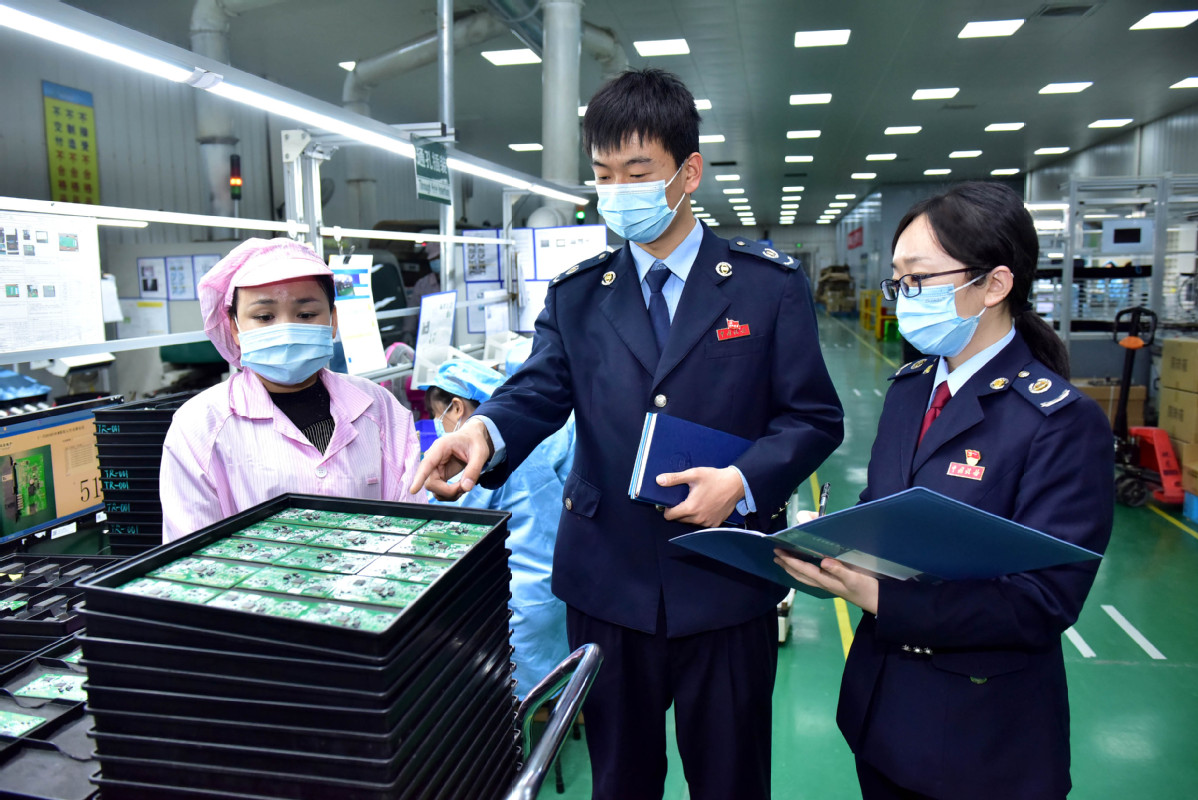
Cutting taxes and fees has been one of the most significant fiscal steps taken in recent years to reduce operational costs for businesses. Fresh reductions of taxes and fees this year are likely to be around 2.5 trillion yuan ($373 billion), he said.
"The priority is to support manufacturing and smaller businesses, along with measures like the value-added tax reform to ease the tax burden on the real economy," said Wan.
An official from the Tax Policy Department of the Ministry of Finance told China Daily that for the next stage, China will accelerate the legislative process of added-value tax and consumption tax.
As calculated, in 2019, the government's tax income accounted for 15.9 percent of the total GDP, dropped by 2.2 percentage points compared with the amount in 2015. Also in the last year, the tax and fee reduction was more than 2 percent of the GDP, which drove up the GDP growth rate by 0.8 percentage points, according to the ministry.
China's fiscal deficit increased from 2.18 trillion yuan in 2016 to 2.76 trillion yuan in 2019. This year, it was raised to 3.76 trillion yuan to mitigate the negative effects of the COVID-19 pandemic. The fiscal deficit ratio has risen to 3.6 percent of GDP this year, the highest level since the founding of the People's Republic of China in 1949, according to the ministry.
Liu Shangxi, head of the Chinese Academy of Fiscal Sciences under the Ministry of Finance said that the government may face relatively tight fiscal conditions in the next few years.
Due to the unprecedented public health crisis, the government's fiscal revenue dropped sharply in the first half of this year, which further extended the financing gap. The country's leadership requires governments at all levels to "tighten their belts" and spend money only on the most urgent projects.
"We should prevent debt risks and ensure that the government debt is well-managed with a long-term perspective to support the development of the corporate sector and sustain the well-being of citizens," said Liu.
Experts feel that China should maintain a certain deficit ratio and debt growth rate for 2021, both of which may not contract much from this year's level. While drafting the 2021 annual budget, the government should increase spending on stabilizing employment and put more efforts to improve the quality of eduction, they said.
Fiscal policies should also be used to defuse financial risks, especially to preventing risks for smaller and regional banks. Financial institutions must step up the digitalized management system regulations. Similarly, fiscal funds that are being used to prevent institutions' bankruptcy in the financial sector should not create any moral hazards, said Liu.




















