Feeling black and blue









Visibility to vulnerability
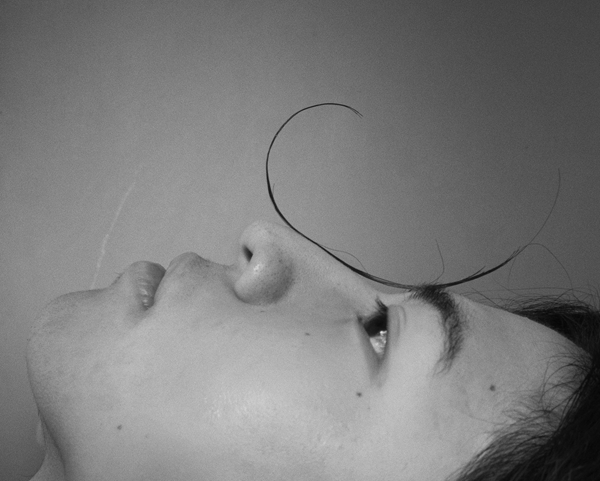
Although it's not the first project of its kind, Crinkle Fog has captured attention from the media and the public. And it has triggered discussions about mental illnesses, such as depression and anxiety, which have been on the rise, according to a national epidemiological survey on mental health.
Led by Huang Yueqin, director of the Division of Social Psychiatry and Behavioral Medicine at Peking University's Institute of Mental Health, the report was published in the journal, The Lancet Psychiatry, in February last year.
It indicates that, "mental disorders have become more common across China in the past 30 years".The researchers estimate that 16.6 percent of Chinese adults have experienced mental illness at some point in their lives.
The report says that "rapid social change is likely to bring about a general increase in psychological pressure and stress" and calls on authorities to "pay more attention to mental-health care".
Tsinghua University assistant professor of psychology Li Songwei says the findings mean a kind of improvement in that people are beginning to admit that depression is a real illness, according to an article on his official WeChat account.
"Just like your body, your moods can fall ill, too," he writes.
He quotes Social Origins of Distress and Disease: Depression, Neurasthenia, and Pain in Modern China by Arthur Kleinman, published in 1988. It says that, in the past, mental distress was much more likely to be expressed by Chinese patients in somatic forms, such as bodily ailments, than as psychological distress, such as feelings of sadness or loss of interest, as is commonly presented in the West.
"When depression can be diagnosed, no matter how terrible it is, there are effective treatments," Li writes.
A major obstacle is that some people don't see specialists, Lu Lin, director of Peking University Sixth Hospital and an academician at the China Academy of Sciences says at the recent Tencent Medical Enlightenment Summit.
"We must remove the stigma and the shame by actively and openly supporting our friends and family members who are experiencing depression," Bernhard Schwartlander, former WHO representative in China, told China Daily earlier.
There's a medical term called "smiling depression" that describes a person who appears happy to others and smiles through their pain, keeping their inner turmoil hidden. It's a major depressive disorder with atypical symptoms. Consequently, many people don't know they're depressed and don't seek help.
Taking action
The good news is that health authorities have noticed the alarming trend and have taken action.
In September, the National Health Commission released an action plan for depression prevention and treatment, particularly among vulnerable groups, including adolescents, pregnant women, seniors and people with high-stress jobs.
The plan requires secondary schools and universities to launch mandatory mental health courses to promote depression-prevention knowledge among young people.
The plan's target is that at least 30 percent of people with depression will have access to treatment by 2022, followed by 80 percent by 2030.
According to the US National Institute of Mental Health, depression is usually treated with medications, psychotherapy or a combination of the two. If these treatments do not reduce symptoms, electroconvulsive and other brain-stimulation therapies may be options. At least 70 percent of people with clinical depression can improve with treatment.
Various nongovernmental groups, including online communities, focusing on mental health have stepped in to play roles supplementary to hospitals and to raise public awareness.
Zhang is glad to see the change. He says such support, or even the smallest gesture, can make a difference to people with depression.
He's now writing a script for a documentary about depression to explore its complex terrain.
"Depression is not a weakness or a character flaw," Zhang says.
"It's like having a bad flu in your mind, which can be cured with proper treatment."