Editor's note:
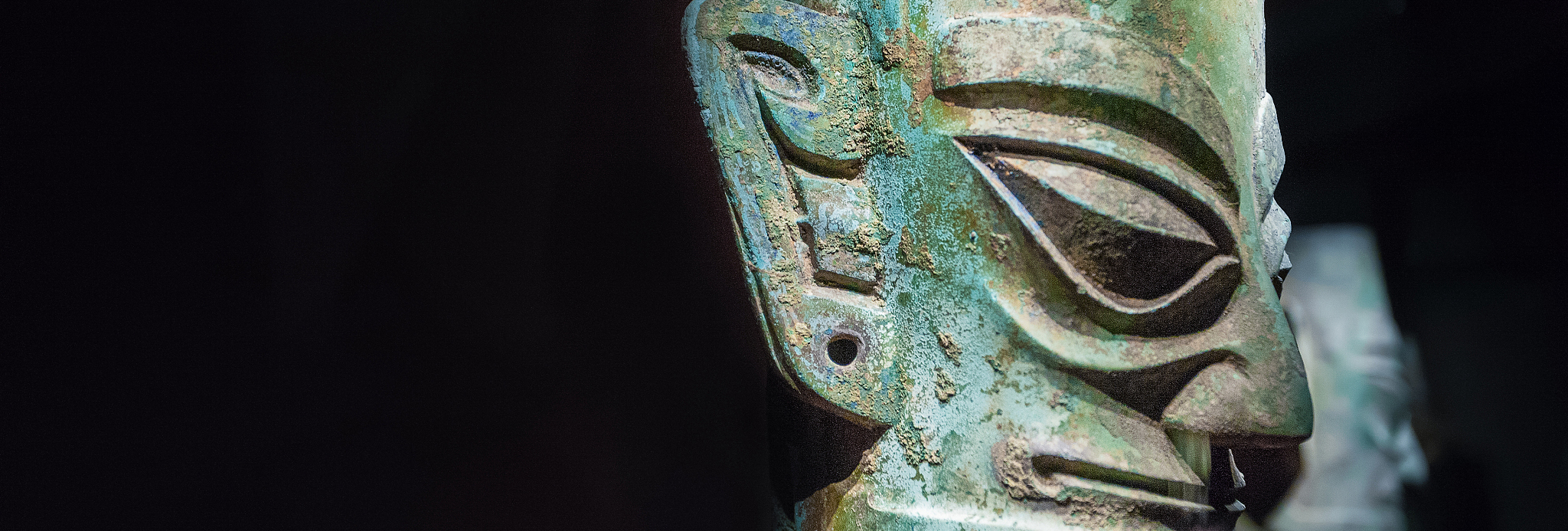
It is hard to take your eyes off the massive bronze masks excavated from the Sangxingdui Ruins site in Southewest China's Sichuan province. The solemn faces, wearing an enigmatic smile or with a pair of protruding eyes, are exotic and mesmerizing, a focal point whenever they present themselves in public. Here is a list of frequently asked questions about this site and its archaeological treasures found during the 20th and 21th centuries. Hope they will update your knowledge of the multifaceted Chinese culture and history.
Q: Where are the Sanxingdui Ruins?
A: The Sanxingdui Ruins are located in Guanghan city, Southwest China's Sichuan province. The site lies on the southern bank of the Jianjiang River, a tributary of the Tuojiang River in the northern Chengdu Plain.
It is the biggest prehistoric city ruins on the upper reaches of the Yangtze River.
Q: How large is the Sanxingdui Ruins site?
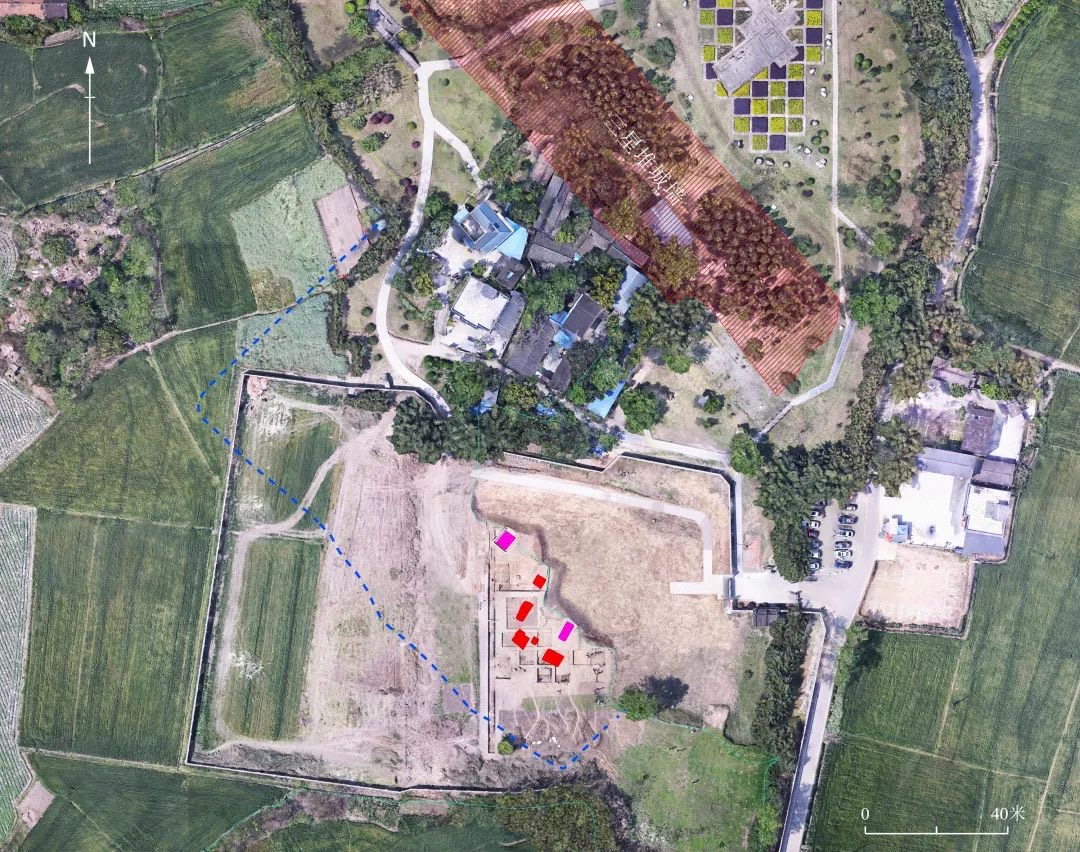
A: The site spans 12 square kilometers, with the core zone (the site of the ancient city of Sangxidui) covering 3.6 square kilometers.
Q: From when do the Sanxingdui Ruins date?
A: The site dates back more than 3,200 years. The discovery of the site pushes back the chronology of human history in Sichuan province from 3,000 years to some 5,000 years.
Q: Who created this culture?
A: There are no conclusive answers since no texts have yet been found from the unearthed objects. Researchers believe that the closest answer may be the ancient state of Shu, which lasted for more than a millennium until its fall to the powerful Qin state during the Warring States Period (475-221 BC). The Shu state left many legends but the relevant historical recordings are insufficient. Study of the ancient Shu state (Sichuan is still sometimes colloquially called Shu today) is still ongoing.
Q: When was the site first discovered?
A: Sanxingdui was found in 1929, and the first scientific excavation was carried out in 1934. It was led by David Crockett Graham, a scholar from the United States. He was also a museum director in Chengdu. The decades of upheaval that followed interrupted work on the site. Its significance was not recognized until the bombshell discovery in the 1980s, following which two pits, later numbered 1 and 2, were excavated.
Q: What was found during the excavation in the 1980s?
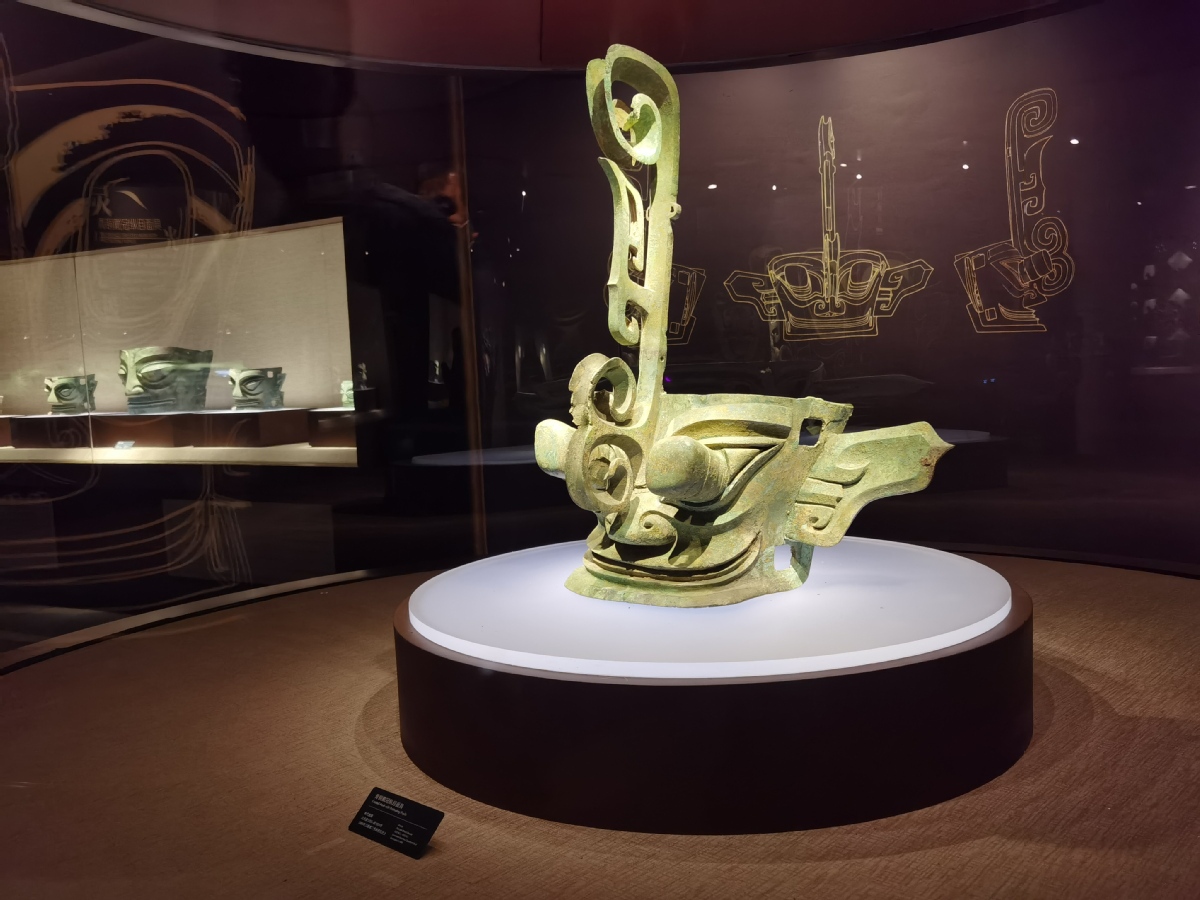
A: More than 1,000 artifacts were recovered from the No 1 and No 2 pits, including numerous bronzeware items with exotic markings, as well as figurines, human face masks with protruding pupils and an exquisite 3.95-meter-high "divine tree", believed to have been worshipped as a ladder to heaven.
Q: Why have the ruins aroused recent public interest?
A: Information of new finds at the Sanxingdui Ruins site was released in late March, and a live broadcast of relics excavated from six newly discovered sacrificial pits was aired on China Central Television for three days beginning March 20.
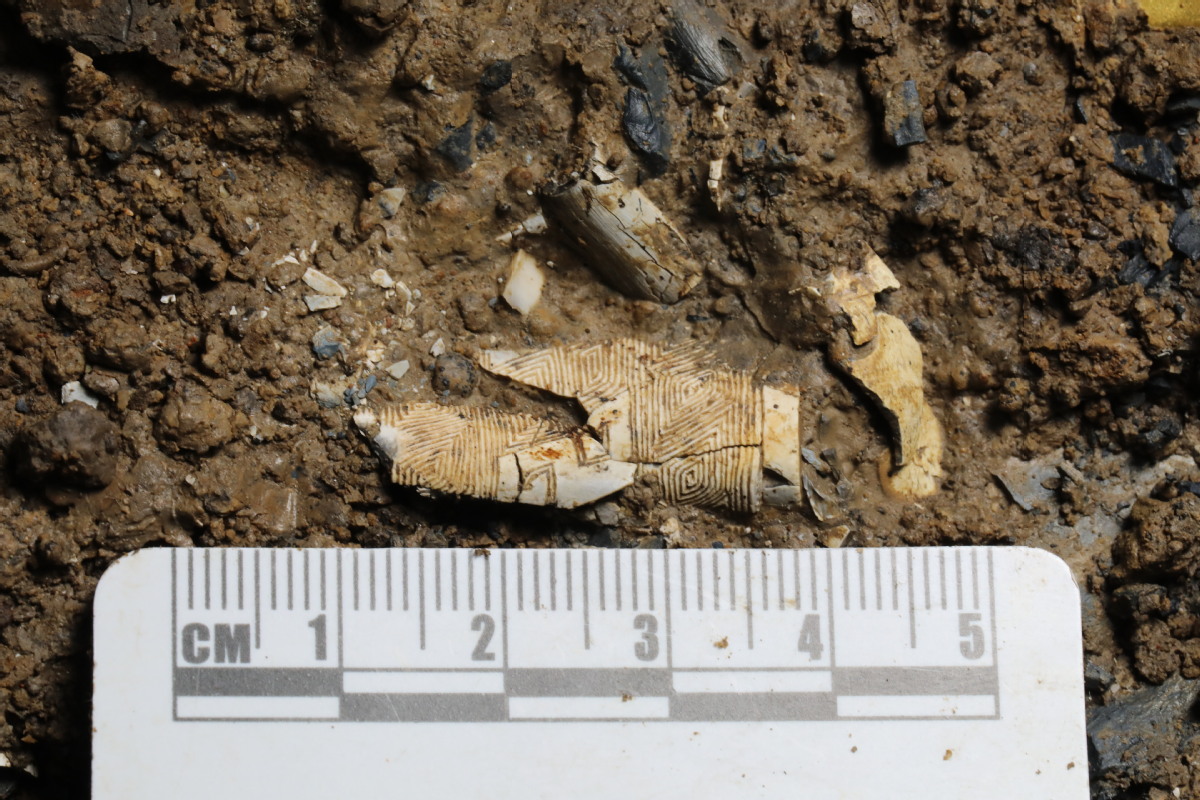
More than 500 artifacts, including gold masks, bronze items, ivory, jade and textiles have been unearthed from the pits, which are 3,200 to 4,000 years old.

Q: What happened between the excavation in the 1980s and the recent release of information on new discoveries?
A: Archaeological investigations in Sanxingdui have never stopped. Ruins of city walls, foundations and tombs have been continuously unearthed within the 12-square-kilometer area of the Sanxingdui site.
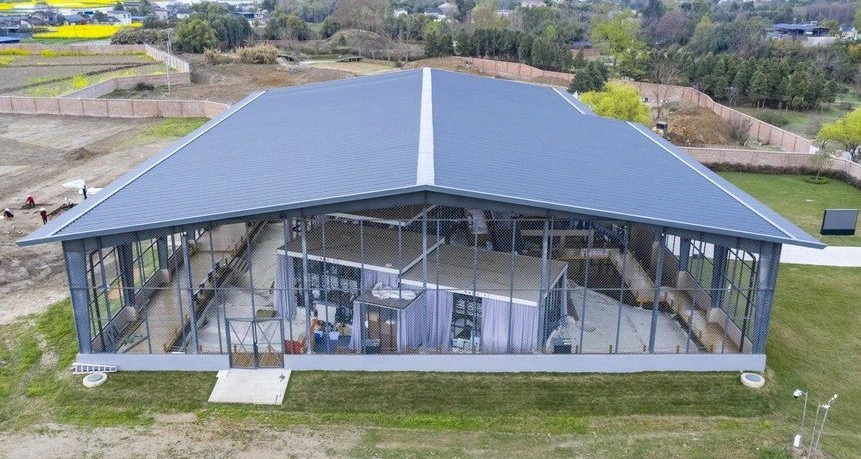
From 2019 to 2020, six more pits (Nos 3 to 8) -- ranging from 3.5 square meters to 19 square meters -- were found near the original pair and, since October, about 500 artifacts have been unearthed in an ongoing detailed excavation.
Q: What were the significant findings during the recent excavation of the site?
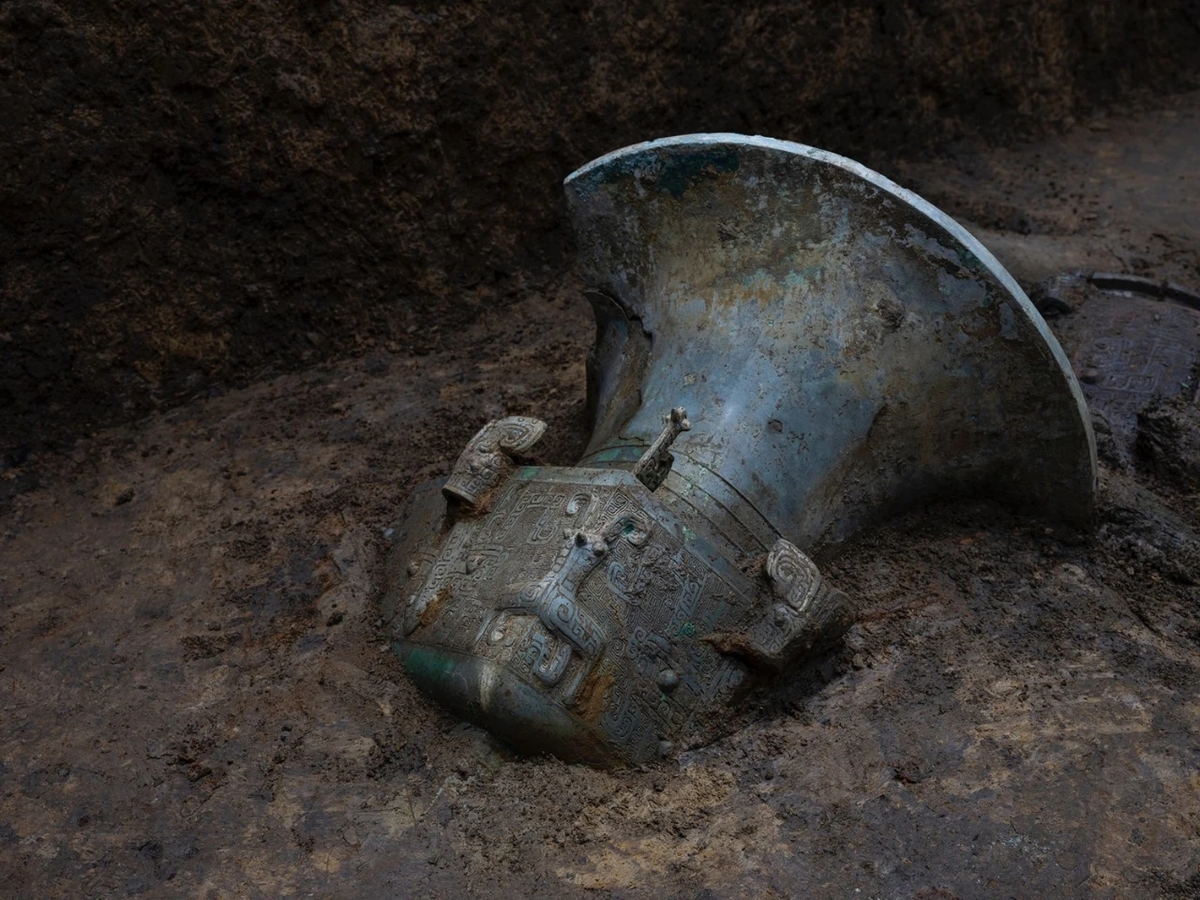
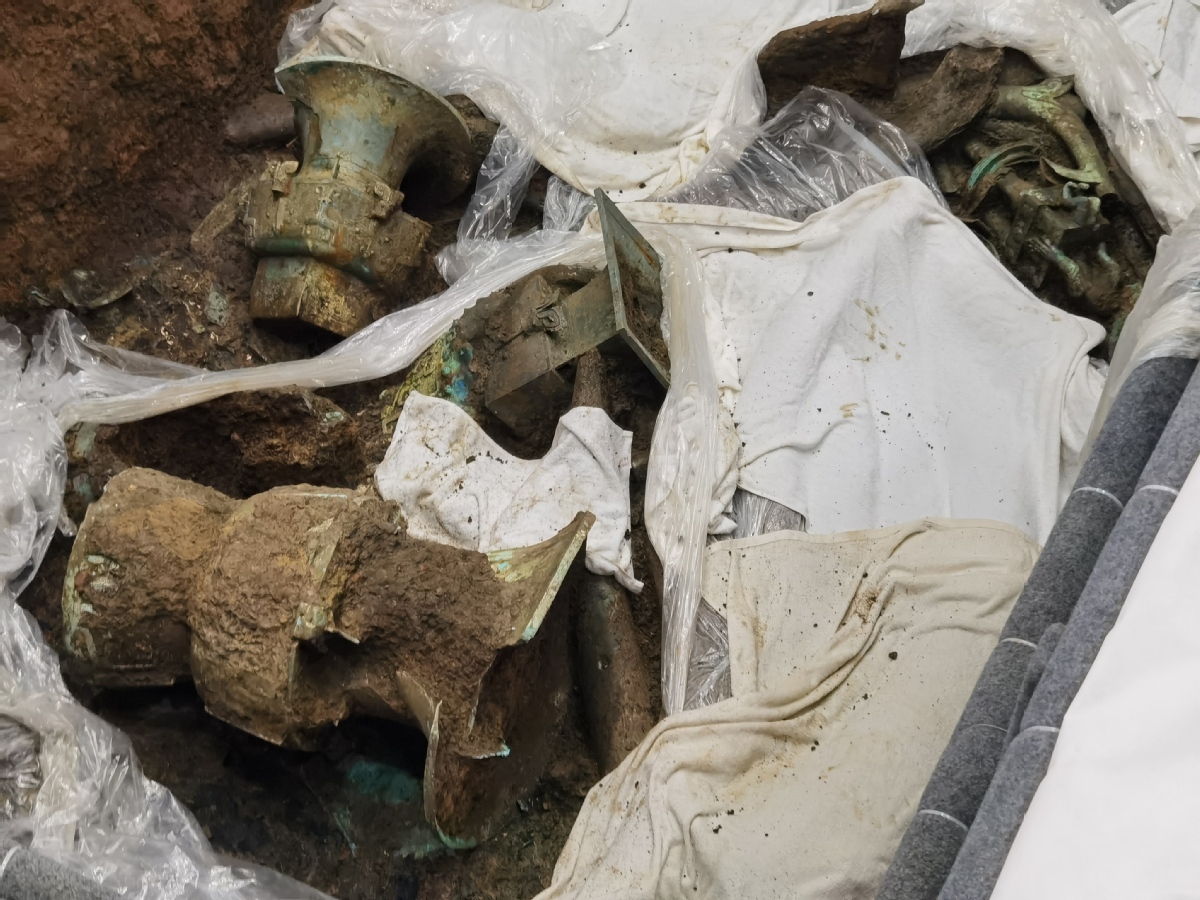
A: More than 500 artifacts, including silk, gold masks, a horde of ritual bronze vessels, ivory and jade, as well as an abundant collection of seashells have been unearthed from the pits.
Among them, two square zun are of note. They are vessels for holding wine typical of the Shang Dynasty (c. 16th to 11th century BC) which ruled what is today's Central China. Other bronzeware also carried basic shapes in the Shang style blended with original designs and details.
Q: What do the findings of this excavation indicate?
A: They unveil a bigger picture of cultural communication in ancient China. Items from the Sanxingdui culture bear outstanding local styles, but they also embrace a strong influence from Central China as well. Sanxingdui was a cultural crossroads that not only absorbed, but also influenced others across a wide geographic area.
Q: How can the unearthed items help in academic research?
A: If archaeologists can recover a whole set of ceremonial artifacts used in sacrifices that date back more than 3,000 years from among the unearthed cultural relics in the Sanxingdui pits they would have an exceptional reference from which to comprehend the religion of the Shu people and their view of the universe.

Q: Where can one see the artifacts unearthed from the Sanxingdui Ruins site?
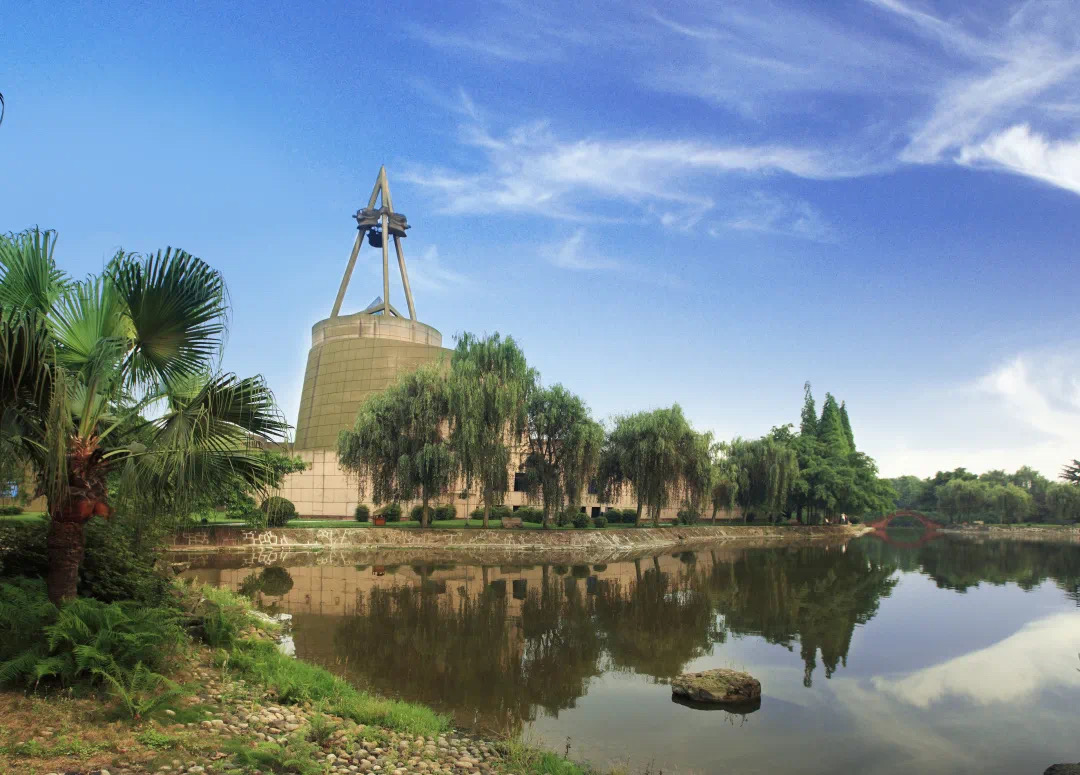
A: Option 1: Sangxingdui Museum in Guanghan city, Sichuan province. It was built in the 1990s to keep, preserve, display, and research the archaeological finds from the site.
Option 2: The National Museum of China in Beijing also holds several pieces of artifacts from Sangxingdui. A bronze mask is on show at its permanent exhibition "Ancient China" in the basement floor.