



Tokyo must not release radioactive water into sea









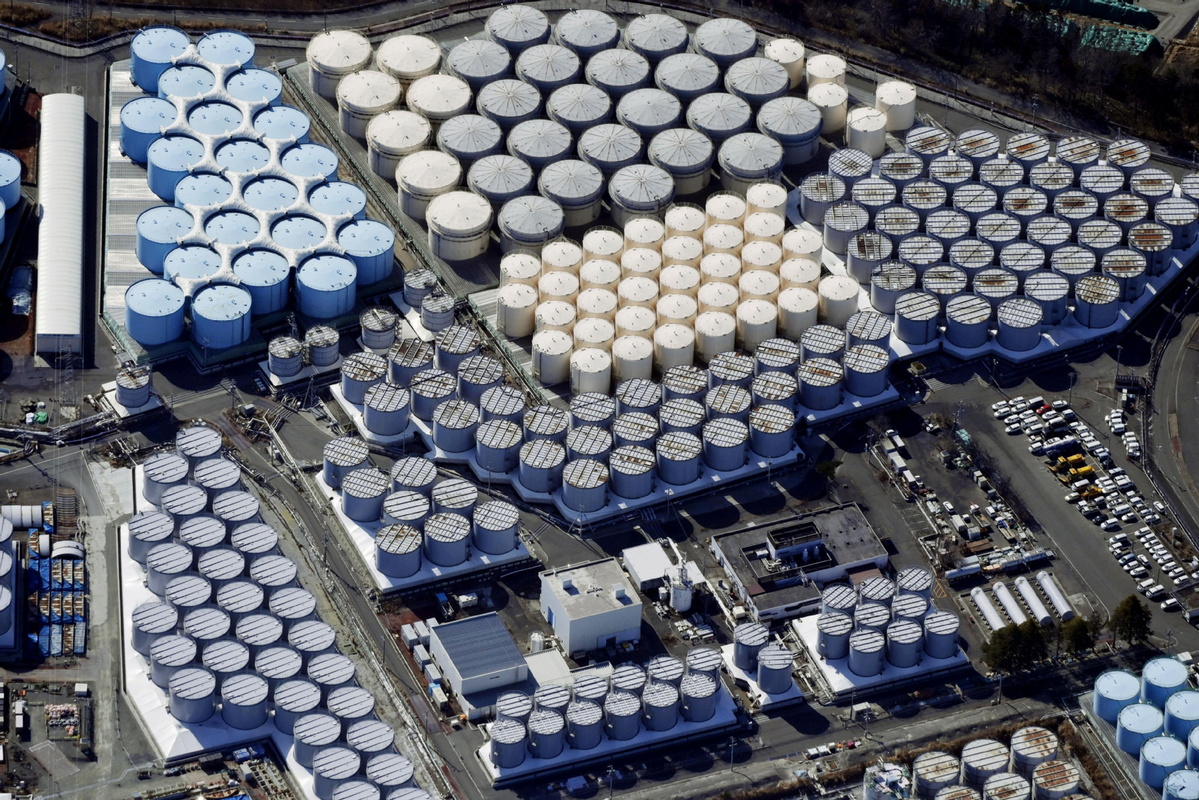
After Japan decided to discharge radioactive water from the Fukushima nuclear power plant into the Pacific Ocean, many people on social networking sites began comparing Japan's nuclear waste disposal with that of other countries. However, such comparisons are absurd because of fundamental differences between the two.
First, the source and scale of nuclear waste are different. According to the International Nuclear Event Scale, the Fukushima nuclear accident-a meltdown after an earthquake-triggered tsunami hit the planet in 2011-is a level seven (highest) nuclear accident in which large quantities of radioactive substances were released. The radioactive water stored in steel tanks is the water that was pumped into the plant to cool the damaged reactor as well as the underground water and rainwater that seeped into it.
In contrast, wastewater at other nuclear power plants comes from drainage and daily activities there.
Second, there are different kinds of radioactive elements. The radioactive water at Fukushima has several kinds of radioactive elements, including some fission nuclides with long half-life periods, and some highly poisonous transuranium elements such as plutonium and americium. In contrast, the waste at functioning nuclear power plants does not directly come in contact with the nuclear reactor core, so it contains few fission nuclides and almost no transuranium.
Third, the difficulty level in dealing with the two types of waste is different. Nuclear power plants can treat ordinarily discharged water with the best available technology and pump them out once they meet standards.
The nuclear wastewater at Fukushima has to be treated by an Advanced Liquid Processing System before discharge. Japan developed an ALPS in 2012 to deal with the radioactive water after filtering out radioactive elements except tritium. According to the ALPS team's Feb 10, 2020, report, however, 73 percent of the processed nuclear wastewater had not met the standards till Dec 31, 2019.
Given the Tokyo Electric Power Company's record in falsifying data, one doubts if their processed water will be safe enough to be discharged into the sea.
It will be better if Japan chooses the best way of dealing with the contaminated water under the supervision of all parties concerned.





