



Beijing's population growth dip in line with quality development









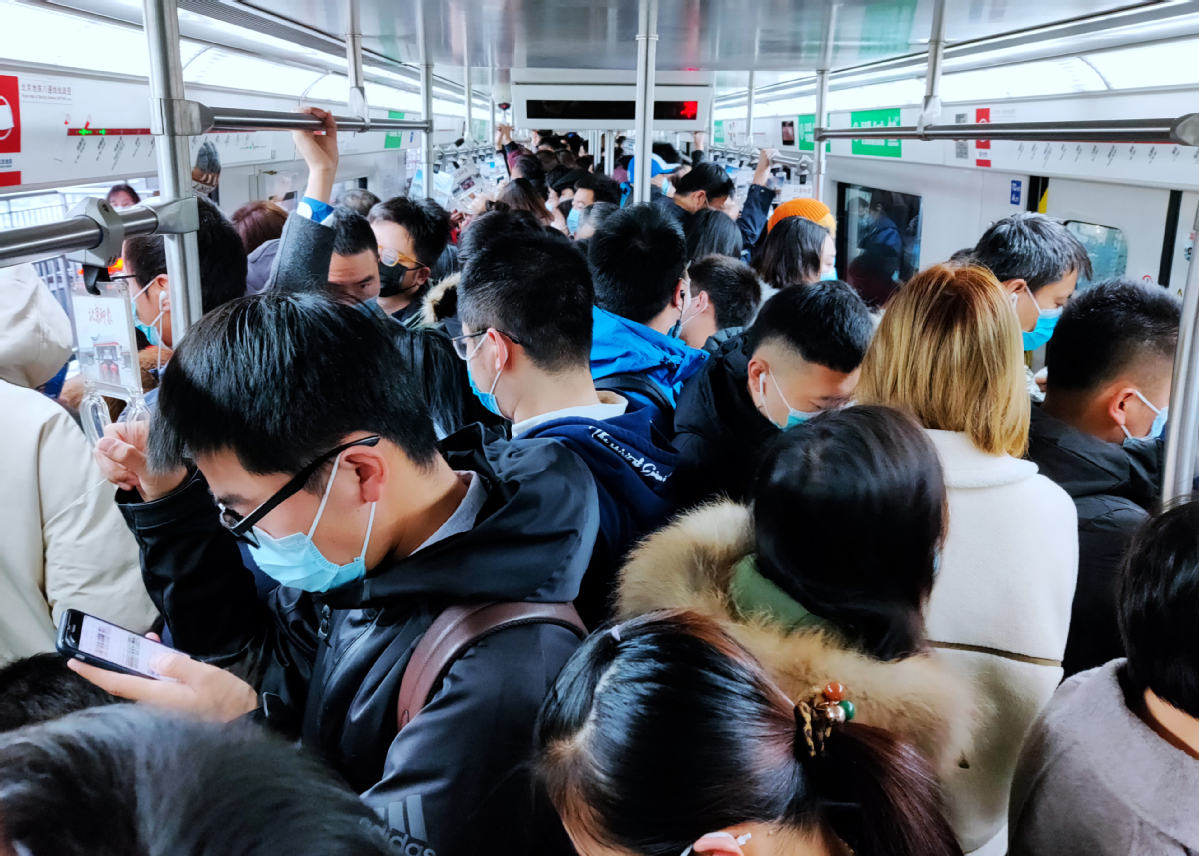
According to Beijing's census data released on Wednesday, the capital has 21.89 million permanent residents, which means an annual average growth of 1.1 percent over the past decade, 2.7 percentage points lower than in the preceding 10-year period. China released the findings of the seventh national census last week, which were further dissected to give an insight into the makeup of the capital's population.
The population trend in Beijing has invited widespread attention. Although the pace of growth has slowed down, it is still higher than twice the national average of 0.53 percent.
Despite a decelerated growth rate, Beijing's population structure is in a relatively good shape. For example, the proportion of people aged 15-59 in Beijing is more than 5 percentage points higher than the national average, while the proportion of people aged 65 or above is lower than the national average, indicating Beijing's labor supply and vitality are still ahead of the national average.
When evaluating Beijing's population data over the past decade, people should not ignore the fact that Beijing's slower population growth is in line with its focus on higher-quality development.
Over the past few years, Beijing has continuously promoted the relocation of non-capital functions, including centralized relocation of general manufacturing enterprises and regional markets, optimization of its industrial structure, and expedited the allocation and optimization of its public service resources, and the demolition of illegal constructions.
According to its overall development plan (2016-35), Beijing was to limit its urban population within 23 million by 2020, and it is likely to stay within this range. To a large extent, Beijing's slower population growth and higher-quality development are a result of its efforts to shift non-capital functions to other places and reduce non-necessary development projects.
On the one hand, the relocation of non-capital functions has further optimized the distribution of its population. Compared with 2010, the number of permanent residents in Beijing's central urban area has decreased by 728,000 and there has been a decrease of 347,000 in the population in the core urban area, which have improved the residents' quality of life.
On the other hand, Beijing's continuous push for the relocation of non-capital functions has contributed to the coordinated development of the Beijing-Tianjin-Hebei region.
Various data show that the actual growth of Beijing's population is in line with its overall development goals. Yet Beijing needs to continue taking measures to cope with an aging population and improve public services. Only by doing so can it continue to achieve higher-quality development.





