



Forced labor in US is slavery in disguise









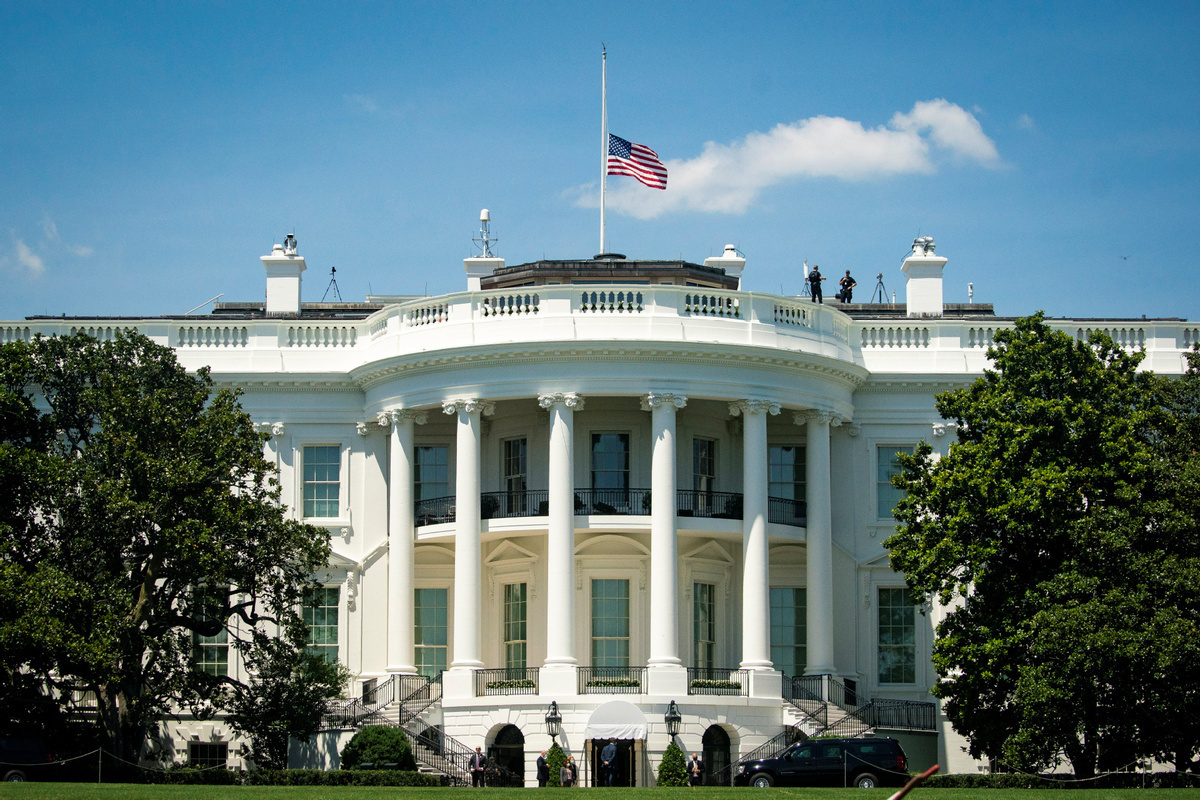
The United States has, without any evidence, accused China of forcing residents of the Xinjiang Uygur autonomous region into "forced labor", and imposed sanctions on some Chinese officials and other entities, which China has rightly and strongly denounced as "politically motivated" and based on "lies". But what is the situation in the US, the self-proclaimed upholder of human rights?
President Abraham Lincoln may have declared in the Emancipation Proclamation in 1863 that "slaves within any State... shall be then, thenceforward, and forever free," yet slavery still exists in the US, albeit in the form of forced labor. In 2016, the International Labor Organization estimated that about 57,700 people in the US are trapped in modern slavery across 23 sectors including agriculture, sweatshops and sex trade.
In fact, the US State Department has conceded that the country is a "source, transit, and destination country for men, women, and children subjected to forced labor, debt bondage, involuntary servitude, and sex trafficking".
The present problems have their roots in US history. Almost no cotton was grown in the US in 1787, but by 1860, the country was producing more than 2 billion pounds (907.18 million kilograms) of cotton annually using slave labor. Soon, US cotton made up two-thirds of the global supply.
Almost 150 years after the US abolished slavery, forced labor continues in the country. Nearly all of the most well-known brands in the US run or help run sweatshops to make their products. In 2016, the US Department of Labor investigated 77 garment factories in Los Angeles and found egregious labor law violations in 85 percent of them. And the ILO estimates that many of the 170 million child laborers worldwide make garments and other products to satisfy the demands of American consumers.
Historians estimate 6-7 million people were shipped to the New World and forced into slavery in the 18th century alone, and the US continued the practice in the 20th century under the cloak of the migrant worker program.
Under the Bracero Program, a temporary worker importation deal with Mexico, the US brought in about 4.5 million workers from Mexico from 1942 to 1964 and forced them to work for lower wages and without social security. To get low-skilled but highly productive workers, the US introduced the H-2 Guest Work Program in 1953, which allows American employers to hire as many as 66,000 temporary foreign workers a year. A Southern Poverty Law Center report in 2013 described the working conditions of the workers under the guest work program as "rife with labor and human rights violations committed by employers".
Although the 13th Amendment officially abolished slavery and declared every person in the US is free, it made an exception:"Neither slavery nor involuntary servitude, except as punishment for crime whereof the party shall have been duly convicted, shall exist within the United States ..." Which means incarcerated persons can be forced to work as punishment for their crimes.
The US has the largest prison population (over 2.2 million) in the world, and many of the prisoners are forced to work for in-house operations or for convict-leasing partnerships with for-profit enterprises, with many engaged in making products from military weapons to Victoria's Secret garments. The Federal Prison Industries alone employs some 17,000 prisoners and earns $650 million in revenue each year.
During the COVID-19 pandemic, incarcerated people in New York sewed at least 371,000 surgical masks while often being denied access to those very masks. Few Americans are aware that each year thousands of incarcerated men and women do dangerous work including fighting deadly wildfires in California for a mere $5.12 a day but, until recently, were prohibited from doing the same work on being released from prison.
In order to cover up the US' history of oppressing farm and sweatshop workers, importing low-cost laborers, and exploiting prisoners, American politicians have been trying to pass the country's evil deeds on to others, by making up stories of "forced labor" in Xinjiang and other parts of the world. Indeed, US hypocrisy is stunning.
It is prudent therefore to be skeptical whenever the US levels charges of human rights violations against another country. Given its long history of human rights violations, the US has no right to even try to hold the high moral ground in human rights protection.
The author is a commentator on international affairs.
The views don't necessarily reflect those of China Daily.
If you have a specific expertise and would like to contribute to China Daily, please contact us at opinion@chinadaily.com.cn, and comment@chinadaily.com.cn.





