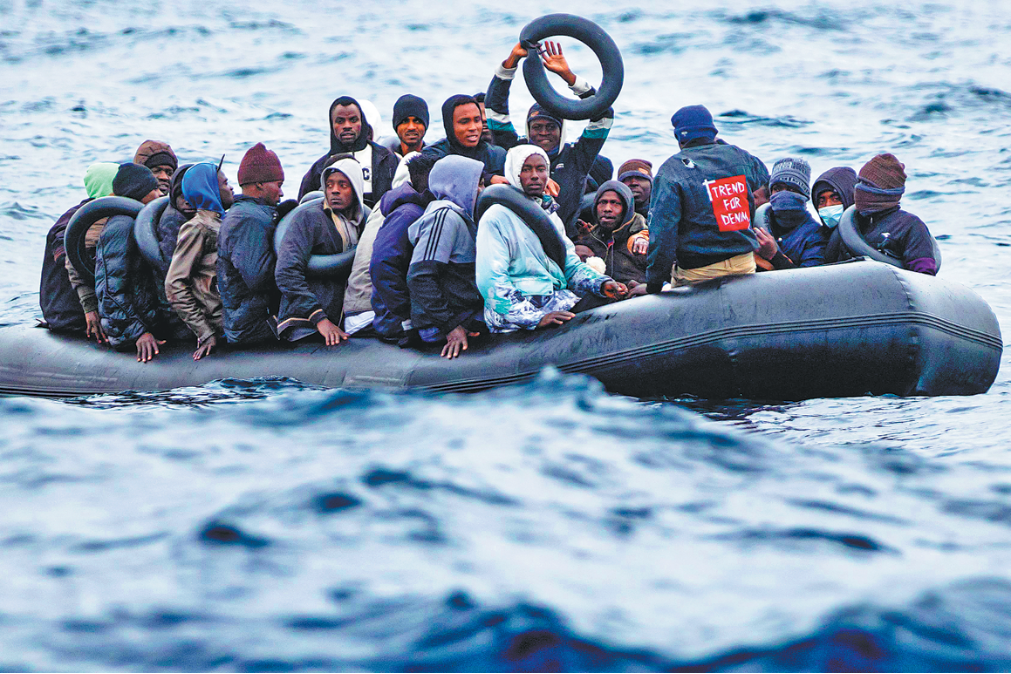
Planet serves up taste of what's in store for us









Deadly floods, heat leave scientists stunned at pace of warming effects
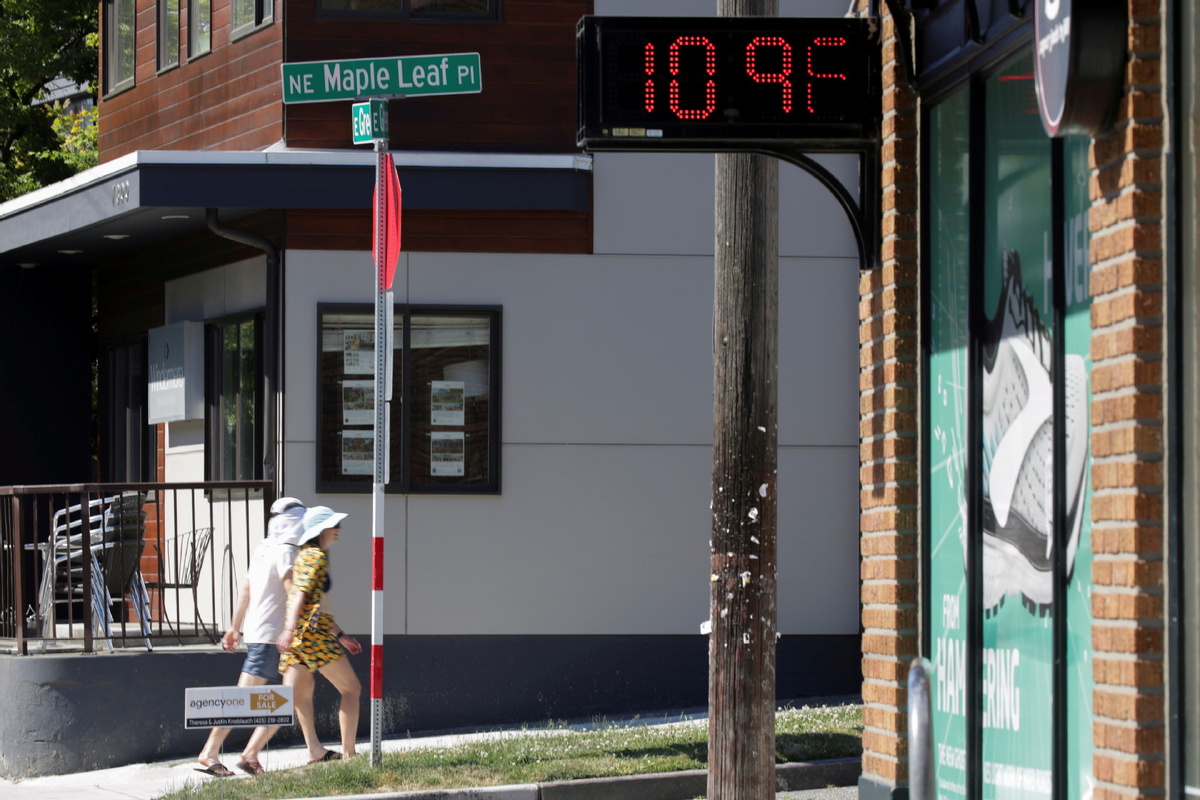
Devastating floods and heat waves across the globe have disrupted the lives of millions of people and left scientists and environmentalists worrying about the even more extreme weather to come.
From July 26 to Friday, scientists with the Intergovernmental Panel on Climate Change are meeting virtually to discuss the first installment of the group's sixth assessment report, which will update the established science around greenhouse gas emissions and projections for future warming, its impact and a climate tipping point.
A study titled "Increasing probability of record-shattering climate extremes", which was published on July 26 by Nature Climate Change, or NCC, said more events that break weather records by large margins could be expected.
It found that the northern mid-latitudes have now become particularly vulnerable to record-shattering heat, as exemplified by the recent heat wave across North America in which many long-standing temperature records were broken by as much as 5 C.
The study said such extreme weather events are likely to occur more frequently in the next few decades, noting "they would be nearly impossible without climate change".
This year alone will be remembered for some of the most extreme weather conditions ever recorded, a further indication of the impact climate change will have on the planet.
In Germany and Belgium, floods killed dozens, destroyed homes and even washed away medieval castles. In India, the monsoon season saw abnormal scenes. The floods' intensity and scale in early July stunned climate scientists.
In Canada and the United States' northwest, an intense heat wave saw temperatures soar to as high as 49.6 C, leaving well over 100 people dead and forests on fire. Earlier this year, snowstorms devastated much of the southern US state of Texas.
In Greece, as wildfires raged for a third day, authorities ordered more evacuations on an island near Athens on Thursday. Temperatures of more than 40 C and strong winds have fanned more than 150 wildfires in different areas of the country in recent days, adding to the conflagrations in Turkey and other areas of the Mediterranean.
In Turkey, a coal-fueled power plant in the country's southwest and nearby residential areas were being evacuated on Wednesday evening as flames from a wildfire reached the plant, said a mayor and local reporters as sirens from the plant could be heard blaring.
Turkish President Recep Tayyip Erdogan said that his country is battling the worst wildfires in its history. The wildfires have raged for nine days and so far have killed eight people.
Increasing frequency
As global temperatures rise, the NCC study said, extreme heat events are becoming more frequent, more intense and longer-lasting. This has caused an uptick in record-breaking temperatures logged around the world in recent years.
The impact of global warming has been clearly visible for decades-from the bleaching of the world's coral reefs as seawater temperatures rise to the melting of the Greenland ice sheet and permafrost in Siberia.
Erich Fischer, lead author of the study, told British website Carbon-Brief-which covers developments in climate science, climate policy and energy policy-that climate-change extremes are like athletes on steroids.
"We define record-breaking events as events exceeding the previous record by any margin," Fischer said.
"That may often be just 0.1 C warmer than the previous event, which is not relevant in terms of impacts. Where the records become really relevant is if they are shattered like in the case of the Pacific Northwest heat wave."
Extending the comparison with sports, Fischer said: "I argue that extremes in a changing climate are like an athlete on steroids who suddenly breaks previous records in a step-change manner."
Scientists had long predicted such extremes were likely. But many are surprised by so many happening so fast-with the global atmosphere 1.2 C warmer than the preindustrial average. The Paris Agreement on climate change calls for keeping warming within 1.5 C.
The intensity of some of this year's climate events has shone a light on the modeling used by climate scientists and suggests some of the modeling may be underestimating the rise in weather extremes.
Paul Read, of the faculty of medicine at Monash University in Melbourne, said: "We cannot rely on technology to pull us away from the precipice of a climate tipping point.
"We need social and political mitigation-wholesale behavior change-as well as technological adaptation," he added.
Agencies contributed to this story.