Plastics show need to embrace a circular economy










More commonly known as plastics, polymers have played an increasingly important role in ensuring our health and safety throughout the pandemic. As we are gradually approaching normality and learning to live with and through COVID-19, it is about time to embrace an accelerated transition to a circular economy.
We have witnessed a surge in demand for polymers. Plastic turned out to be both sanitary and effective in protecting against the transmission of a highly contagious pathogen. It has been used extensively in the production of protective gear, medical equipment and consumer plastics. A recent study estimated that 129 billion face masks and 65 billion disposable gloves were used each month throughout 2020.
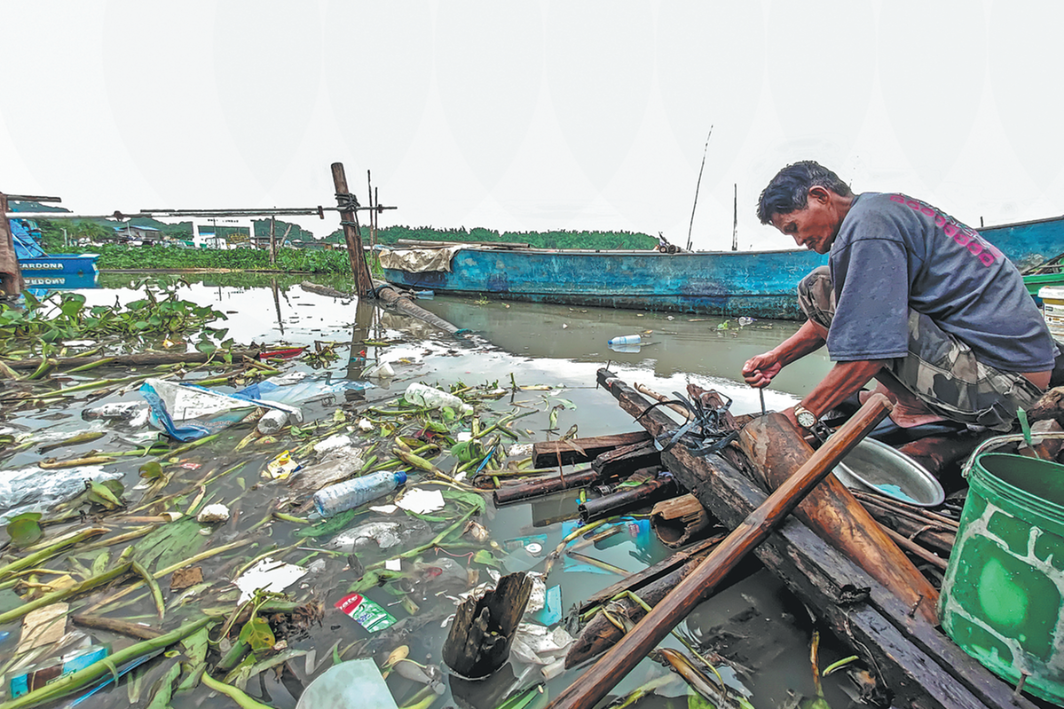
The increase in demand for plastics has also led to increased waste generation. The response to the pandemic, growing pollution rates and the rollback of many public policies have raised the importance of transitioning to a circular economy.
Today, it is no longer possible to deny that the relevance of consumer plastic waste management will only increase over time. As an ultimate response, production planning of petrochemical companies must focus on realigning their sustainability strategies with circular economy principles and expanding their collaboration with all stakeholders to create innovative, sustainable solutions.
There are at least three areas in which petrochemical companies can drive the transition to a circular economy. In all of them, it is imperative to enhance greater cooperation across entire value chains to achieve common goals.
Consumer plastics are often seen as the primary pollutant. However, this is far from reality. Let's consider the entire life span of any single-use plastic item and compare it with other "sustainable "alternatives such as glass, wood or metal. It becomes evident that the overall carbon footprint of plastic is much lower.
For example, the total carbon footprint of a 355 milliliter plastic (polyethylene terephthalate, or PET) bottle is around 40 grams of carbon dioxide, whereas the carbon footprint of the same bottle made of aluminum or glass is over 180 grams. The carbon footprint of a bottle made of recycled plastics falls below 10 grams of carbon dioxide.
The real problem is the lack of infrastructure for the efficient management, sorting and recycling of plastic waste. Around the world, 1 million plastic drinking bottles are purchased every minute, and 5 trillion single-use plastic bags are thrown away each year. However, studies indicate that less than 10 percent of all plastics have been recycled.
Yet polymer recycling is one of the most efficient and sustainable solutions to the consumer plastic waste issue. Advanced recycling technologies such as chemical recycling allow us to chemically reduce polymers to their original monomer form and use them to make new plastics.
Businesses and governments must enhance cooperation and build the necessary infrastructure to collect used plastics, sort them into different grades and recycle.
Petrochemical companies can take great strides toward developing polymers that allow processors to consume less material while maintaining quality.
To adequately adapt production and create sustainable solutions, companies should monitor their environmental impact and seek ways to improve their performance and enhance and promote green technologies.
By engaging with partners across the value chain, governments, institutes and companies gain access to experience, capabilities and talent that they may otherwise not possess and can build an ecosystem that drives further innovation.
The best way to start is to acknowledge that the petrochemical industry must collaborate closely with its stakeholders to address our shared plastic problem. We must commit ourselves to innovative principles, mainly circular economy solutions, to ensure long-term sustainability for the long-term environmental and economic good.
The author is a management board member of LLC SIBUR, Russia's largest petrochemical company.