



Australia's deadly floods highlight climate risks









Record-breaking disaster shows need for adaptation strategy, experts say
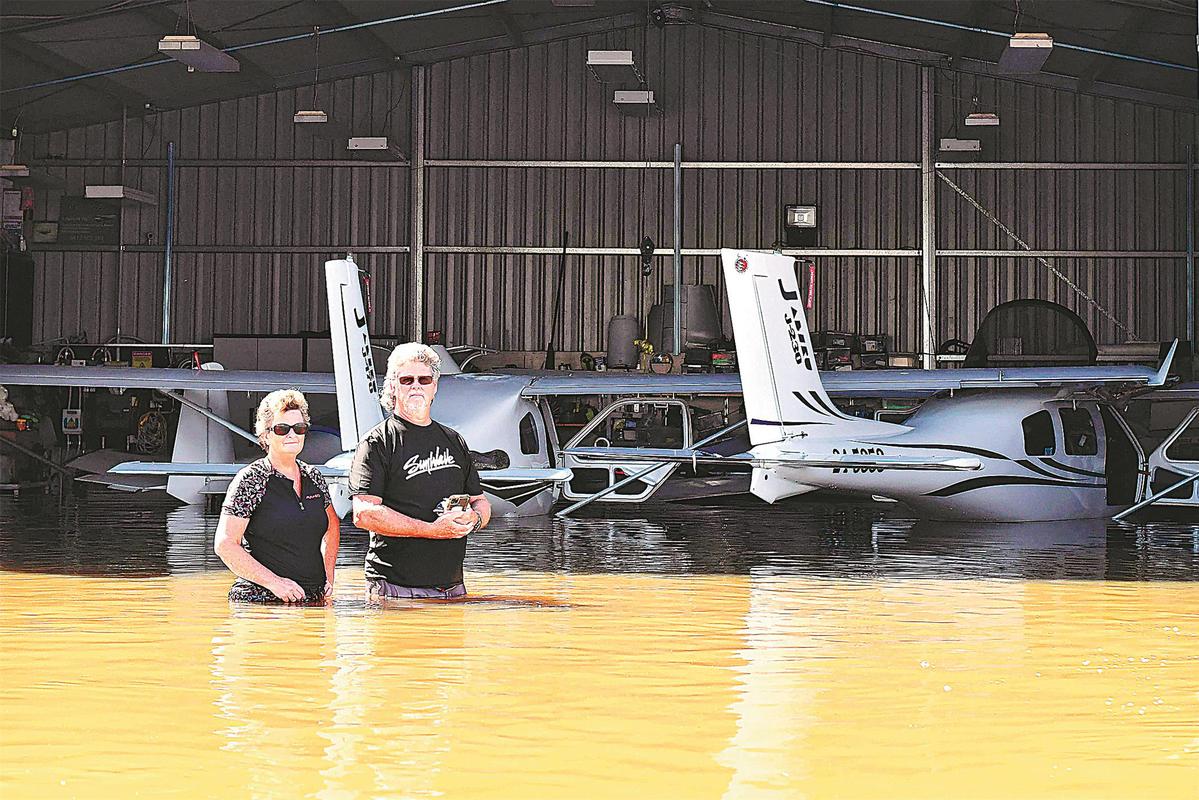
Large sections of eastern Australia have been declared disaster areas following the worst flooding ever recorded, which has left thousands homeless and more than 10 people dead with many more missing.
Towns and cities in northern New South Wales and southeast Queensland have been inundated by muddy brown water. Brisbane, the Queensland state capital and Australia's third-biggest city, is under water for the third time since 1974.
Queensland Premier Annastacia Palaszczuk told a media briefing on Tuesday that 80 percent of Brisbane's total annual rainfall fell on the city in just two days.
Brisbane and surrounding suburbs have been turned into one brown lake, with the northern NSW town of Lismore under 14 meters of water after the 10-meter-high levee was breached.
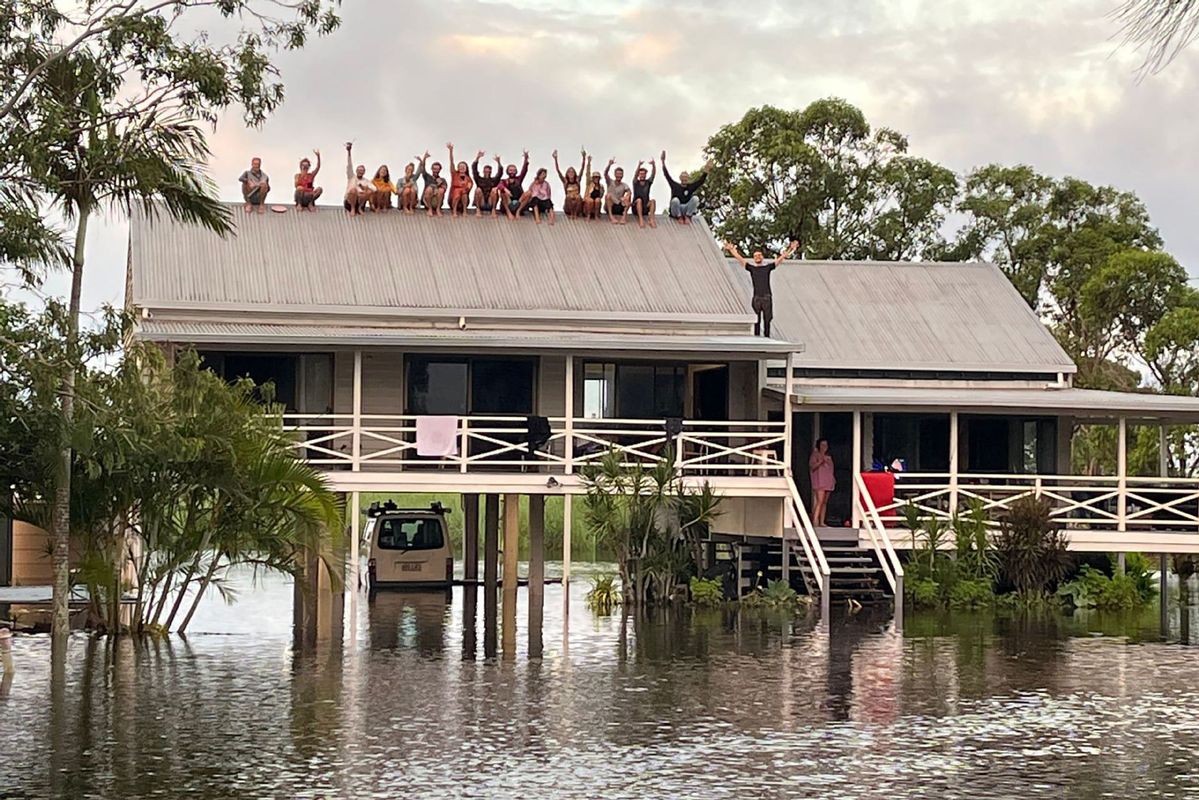
Thousands of people have been displaced by the floods, with schools closed and roads and bridges destroyed by what meteorologists describe as a "rain bomb".
Rain bombs occur within a thunderstorm when hot, dry air is sucked into the storm. The air temperature gets colder suddenly, and that cold air can then drop very quickly, unleashing large amounts of rain onto the ground below.
With the front now moving down the NSW coast, that state's capital and Australia's largest city, Sydney, is bracing for serious flooding in the coming days.
Palaszczuk said the cleanup bill for Queensland could exceed A$1 billion ($727 million).
Elizabeth Mossop, dean of Design, Architecture and Building at the University of Technology Sydney, said: "With the increasing frequency and severity of storms and flooding, we need to treat flood prevention and mitigation as part of our 'business as usual' and not as a one-off disaster."
Queensland University of Technology Adjunct Professor Hilary Bambrick, co-author of Australia's annual assessment of progress on climate adaptation, said: "Despite decades of warnings from scientists about climate change, Australia is unprepared for the supercharged weather that it is now driving, such as the current floods in Queensland and NSW."
She said a "national adaptation strategy" is required to better prepare and respond to increasingly catastrophic events.
Latest report
The wild weather hammering Australia's east coast coincides with the Feb 28 release of a report by the United Nations Intergovernmental Panel on Climate Change titled "Impacts, Adaptation and Vulnerability".
The report says that regardless of actions now, regional and urban areas will face irreversible changes that will have an impact on millions of lives.
The report, compiled by almost 300 scientists across 67 countries, clearly spells out that climate change is already dramatically altering ecosystems, affecting our physical and mental health, water security and food production, cities and infrastructure, and more.
Will Steffen, a member of the Climate Council of Australia, emeritus professor at the Australian National University in Canberra and a former IPCC report author, said in a statement: "We are seeing climate change play out in real time with unprecedented rainfall and flooding taking a horrible toll on communities in Queensland and NSW. These events will only get worse if we don't act now to reduce emissions."
Andrew Gissing, an emergency management expert with the Bushfire and Natural Hazards Cooperative Research Centre and general manager of Resilience at Risk Frontiers, said climate change "means that our atmosphere can hold more water, likely increasing the intensity of rain events in the future".
Rising sea levels will exacerbate future flooding in coastal areas over the coming decades, Gissing told China Daily.
The Climate Council's research director, Simon Bradshaw, said Australia is "one of the most vulnerable developed countries in the world".
"Right now, communities in southeast Queensland and northern NSW are being pummeled by extraordinarily intense rainfall and flooding," he said.










