



US monetary policy harms global economy









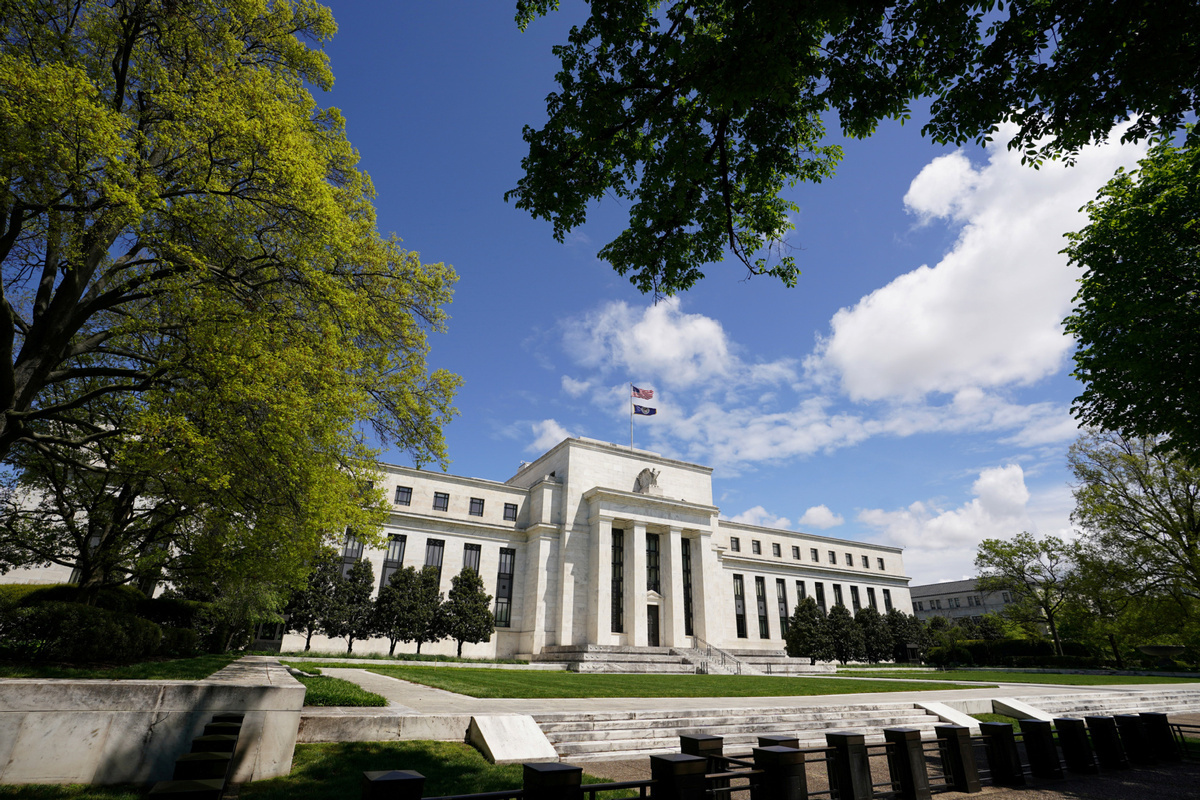
The US Federal Reserve has been resorting to drastic measures, including cutting interest rates to zero and launching unlimited quantitative easing, to revive the US economy following the COVID-19 pandemic.
Since these measures have, among other things, led to the continuous rise in inflation in the United States, the Fed has to raise interest rates and even shrink its balance sheet in the near future to contain inflation and avoid the impacts of high inflation on the economy. But by flip-flopping between policies, the Fed has created a time bomb for emerging economies, including China.
By printing excessive amounts of banknotes first and then raising the interest rates to curb inflation, the Fed is boosting the US economy. Which in turn will not only help businesses on the brink of bankruptcy and jobless workers survive the bad times, ease investors' concerns over the collapse of the credit market and the rupture of capital chains, but also can facilitate the US economy's V-shaped rebound after the pandemic is effectively contained.
As a result of a restive inflation situation, soaring prices of global commodities in the wake of the conflict between Russia and Ukraine and Western sanctions against Russia, the US is expected to encounter rising inflation in the next few months. Perhaps that's why the Fed has begun raising the interest rates in order to slow down inflation, which is the highest in 40 years.
To counter the specter of high inflation, the Fed may announce a reduction in its $9 trillion balance sheet in May. These moves, though beneficial to the US economy, will have a severe impact on emerging economies such as China.
First, excess liquidity in the US will make emerging markets more volatile. Since the outbreak of the pandemic, unlimited quantitative easing adopted by the Fed has created panic among investors. This, along with liquidity shortage in the market, has caused companies, central banks and investors from across the world to hoard dollars or dollar-denominated assets as collateral, and sell the assets of other countries including emerging markets.
This has not only caused the cost of dollar-denominated financing to soar to record highs, but also made it harder for global investors to wean themselves from the dollar.
In particular, given the gloomy global economic outlook, emerging market countries will have to export more raw materials, household articles and industrial goods to the US if they want to secure more dollars or dollar assets as foreign reserves in order to stabilize their economies and currencies. The essence of this asymmetric economic cooperation model is that the US grabs the profit surplus of emerging market economies and uses it to finance its unlimited printing of currency notes and mounting deficits. It also means that an increasing number of the world's poor will have to work harder in the future to produce more consumer and industrial goods and sell them to the US to earn dollar bills.
Second, the Fed's interest rate hike is likely to trigger a financial crisis in emerging economies, as it will lead to the devaluation of emerging economies' currencies, thereby increasing their external debt burden. The depreciation of a country's currency is beneficial for its exports, but given the weak economic growth and external demand of the US and European countries, the currency depreciation will not help improve emerging economies' export competitiveness, and instead will raise the prices of imported goods for them.
Moreover, the Fed's interest rate hike will strengthen the dollar and accelerate the massive outflow of funds from emerging markets to the US. This would not only make the currencies of other countries vulnerable, but also destabilize their stock markets, hurt their economies, and could even trigger a regional financial crisis.
Third, interest rate hikes by the Fed will exacerbate debt risks in emerging economies whose foreign debt repayment peaks in 2022 or 2023. For instance, more than 50 percent of the foreign currency debts of Turkey and Argentina mature within a year. Against the background of the Fed raising interest rates and tightening global liquidity, the rising cost of servicing dollar debts for emerging market and developing economies can exacerbate the risk of a new round of debt defaults and ignite a global debt crisis, which will especially hit emerging market and developing economies.
But despite the Fed's interest rate hikes having a serious impact on the monetary and financial systems of the emerging market and developing economies, China's currency is expected to play the role of "anchor" and help stabilize the exchange rate and reduce the volatility of the global financial system.
This will help boost the world's confidence in the yuan, and prompt more countries to deepen economic cooperation with China which, in turn, will further promote the internationalization of the yuan and help China strengthen cooperation with countries involved in the Belt and Road Initiative.
Liang Haiming is the dean of Hainan University Belt and Road Research Institute. The views don't necessarily reflect those of China Daily.
If you have a specific expertise, or would like to share your thought about our stories, then send us your writings at opinion@chinadaily.com.cn, and comment@chinadaily.com.cn.





