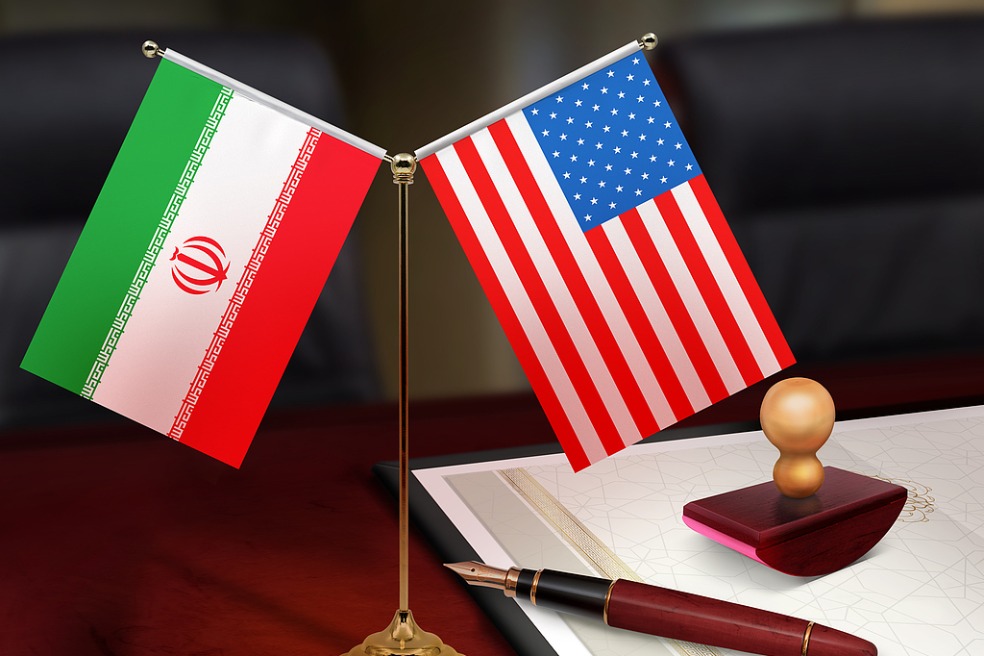
Biden order would further restrict Chinese investment in US tech









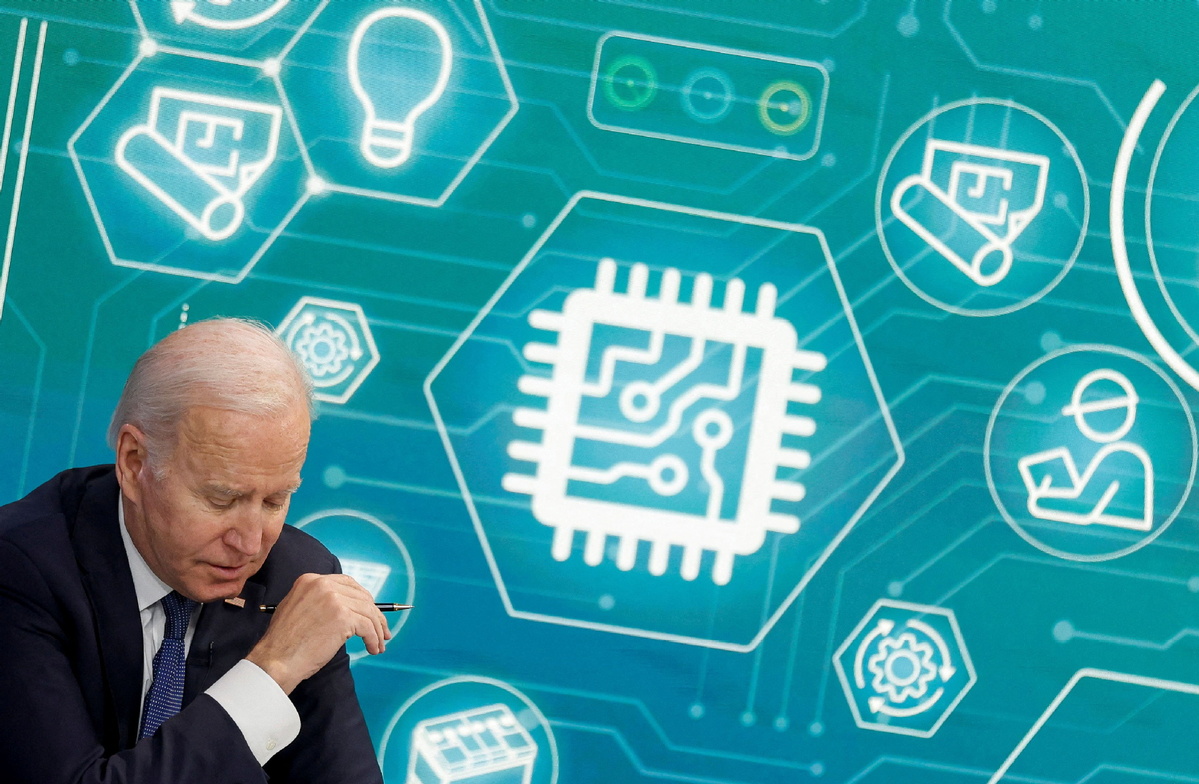
As the latest move to contain China's technology development, US President Joe Biden has issued a new order to further restrict foreign investment in American technologies, but experts said it may undercut the US economic competitiveness.
The order directs the Committee on Foreign Investment in the United States, or CFIUS, to further scrutinize foreign investments and transactions related to national supply chains and in tech sectors.
Although the order did not mention China by name, it said targets are "particularly those from competitors or adversarial nations", the same language used in other anti-China policies.
The White House said Thursday's order is the first executive order, since the establishment of CFIUS in 1975, to identify additional national security factors.
It points out several areas for the committee to pay closer attention to, such as microelectronics, artificial intelligence, biotechnology and biomanufacturing, quantum computing, advanced clean energy, and climate adaptation technologies.
The order said the committee, when reviewing transactions, should consider the effect on the resilience of critical US supply chains, US persons' sensitive data and cybersecurity risks.
"Biden's additional sanctions on semiconductor technology for China will hamper China's progress related to semiconductors and related technology but at a great cost to the US," George Koo, a retired international business adviser in Silicon Valley, told China Daily.
"The sanctions will ask Silicon Valley companies to forgo sales to China and China represents by far the most important market to these American companies, such as Nvidia for chips and Lam Research and Applied Materials for equipment," he said.
Foreign companies, such as TSMC, ASML and Samsung, are being asked to make the same sacrifice, and such blanket sanctions could seriously endanger their future, he added.
"If the Department of Commerce makes selected exceptions to US companies so that they continue to sell to China but not to the foreign companies, that will generate more distrust and loss of confidence in the American government in being able to deal in fairness and good faith," said Koo.
CFIUS, led by the Treasury Department and including top officials such as those from the Justice Department and Homeland Security, investigates acquisitions involving foreign companies that may pose national security risks.
The committee has been scrutinizing TikTok, a popular Chinese video-sharing app. In August 2020, former President Donald Trump issued an executive order, using the CFIUS investigation to direct TikTok's parent company ByteDance to divest its US assets.
Experts questioned the unusual legal basis for Trump's actions against the Chinese company. When Biden took office in January 2021, he did not enforce the divestment order, and ByteDance didn't sell.
The Biden administration is reportedly considering placing new regulations on US shipments of advanced semiconductor chips and chipmaking equipment to China, which comes after the president signed the Chips and Science Act into law last month to boost the nation's domestic semiconductor manufacturing.
The Commerce Department will formalize the licensing rule for US companies to export the highly advanced semiconductor chips to China next month, according to Reuters. American companies seeking to export the equipment to China must obtain a license from the department.
The rule is expected to impact such companies' revenues. For example, Lam Research Corp, a major semiconductor manufacturing equipment company in the US, reported that China represented 31 percent of its revenue during the June 2022 quarter.
The White House is also considering issuing another executive order to create a screening mechanism for outbound US investment, just one of many efforts to make it harder for China to obtain cutting-edge technology.
Experts have raised concerns that it may be overly broad to consider anything as a threat so that such rules will be used for protectionist rather than national security reasons.
"Outbound investment screening would be a mistake, and any action — either by Congress or the president — warrants scrutiny," wrote Inu Manak, a fellow for trade policy at the Council on Foreign Relations, in a recent article.
"It would expand the executive branch's authority to regulate commerce with foreign nations, blur the line between economic welfare and national security, and generate new uncertainty for American investors already operating in a high-risk environment," she wrote.
"With business and consumers already struggling with inflation, and a weak economic outlook for the United States, now is not the time to make it more difficult for US investors to seek economic opportunities, and give investors from other countries an advantage," she continued.
Semiconductor industry experts also have expressed concerns over the government's intervention, saying that China is a critical market.
The US companies account for 47 percent of global revenue in the semiconductor industry, with China being a key market, according to Stephen Ezell, vice-president of global innovation policy at the Information Technology and Innovation Foundation in Washington DC.
"Thirty-six percent of US semiconductor industry sales are to Chinese enterprises, making access to the Chinese market critical to American companies," he said in a webinar early this year.
The Chinese market is critical also because the revenues from the Chinese market enable the US companies to reinvest in future generations of innovation, he added.