



Good luck living without creepy-crawlies









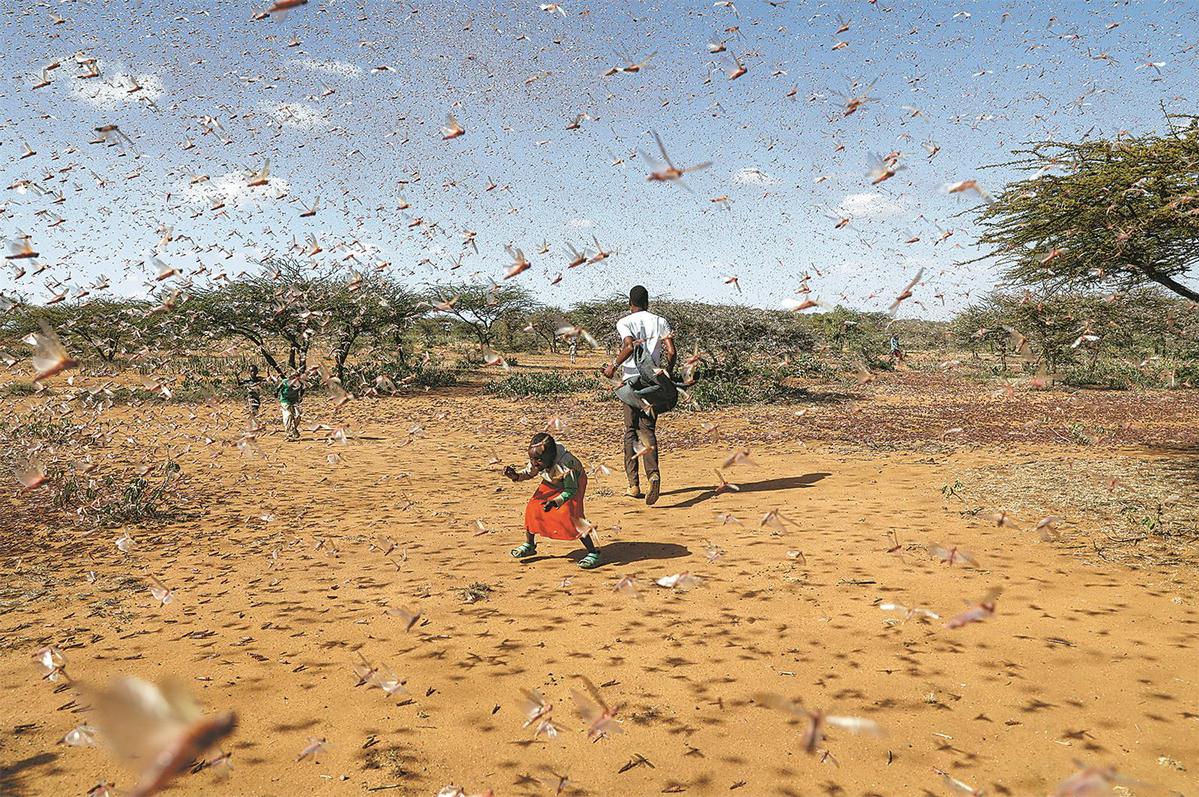
Believed to have originated around 480 million years ago, more than 1 million species of insects have been discovered so far. Yet evidence is mounting that insect populations are rapidly declining in many places, and some scientists are warning of an emerging "insect apocalypse" that will have extreme effects on the environment and humans.
A report on the state of global insects published in the journal Biological Conservation stated that 41 percent of the world's insect species are in decline, and the total insect biomass is declining at an annual rate of 2.5 percent. It warned that if the rapid decline of insects continues, they could be extinct within a century. The findings point to a global decline in insect numbers, species, and abundance (the relative number of species in a community).
Intensive agriculture, climate change, the use of pesticides and insecticides, urbanization, habitat loss, the introduction of diseases and invasive species are all reasons for the alarming loss of insects, both in variety and number, among which human induced climate change is the major factor. Since industrialization, the biosphere has warmed by about 1.1 degrees Celsius. Unless greenhouse gas emissions are drastically reduced, which is almost impossible given the trend today and in the foreseeable future, the biosphere is expected to warm by another 2 to 5 degrees Celsius by 2100. The tiny size of insects and their inability to regulate their body temperature make them particularly vulnerable to changes in temperature and humidity.
Insects play a variety of ecological roles, including suppliers (feeding a variety of organisms, such as birds), decomposers (dung beetles), pest controllers (spiders and dragonflies), pollinators (bees), soil engineers (ants and springtails), and so on. These functions ensure the balance of the ecological chain that is essential for the survival of humankind.
For example, 75 percent of the world's 115 major crops depend on bee pollination, and bee pollination contributes to 35 percent of the world's crop value, a decline in bee populations and numbers would reduce crop production and threaten human survival.
Similarly, dung beetles are found on every continent except Antarctica. Not only does this natural scavenger contribute to a relatively clean environment for humans and other living things, it also suppresses other fecal-eating pests. It is urgent to protect insects. This requires, first and foremost, real human action to reduce carbon emissions and the use of pesticides. Protecting insects is a shared responsibility of all countries.





