Deals see sun shine on L. America farms









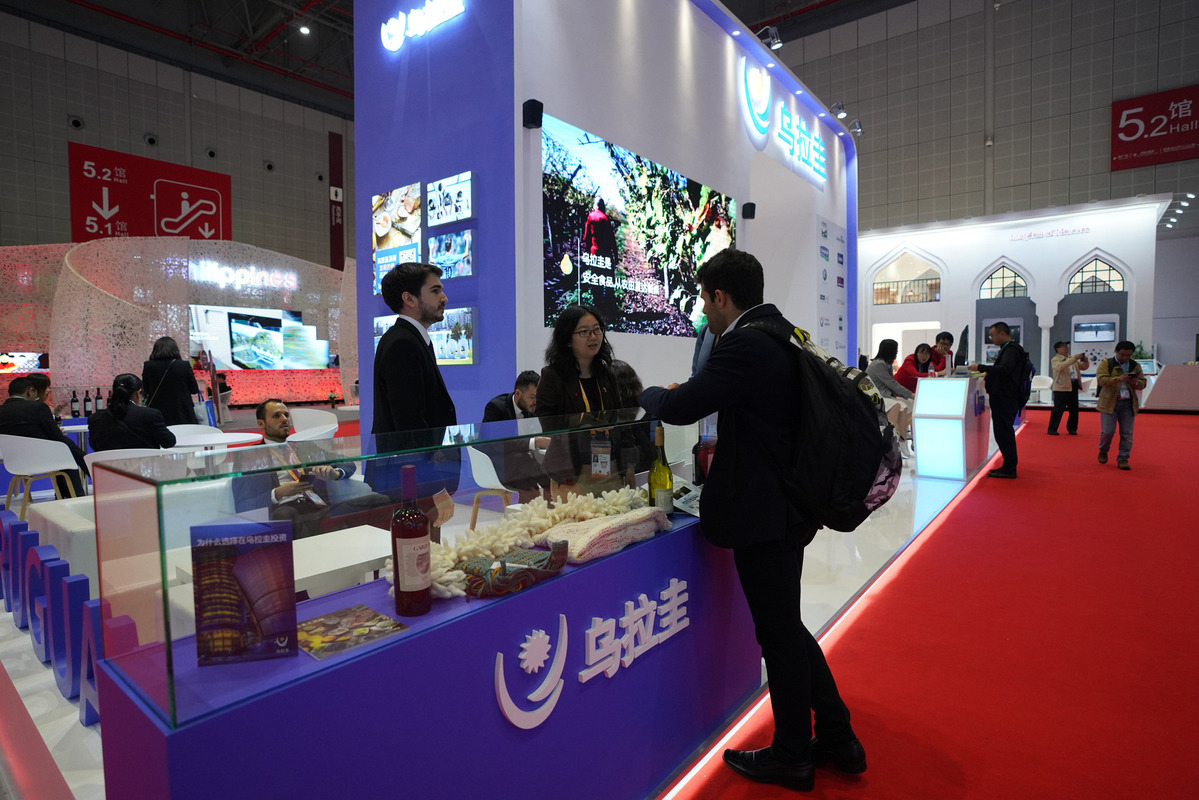
Pact for Uruguay grain latest in region under BRI to drive trade with China
Uruguay is expanding its exports of sorghum to China under an agreement that has been welcomed as yet another example of the China-proposed Belt and Road Initiative driving agricultural trade between Latin America and an increasingly important market.
The new Protocol of Phytosanitary Requirements will allow Uruguay-which has a population of just 3.5 million but is a large agricultural producer-to take its agricultural trade relationship with China to new heights. According to Uruguay's government, 21 companies have registered to export sorghum to China.
"This is a very important step as it will contribute to crop rotation in our country," said Fatima Fierro, executive director of the Uruguay-China Chamber of Commerce.
"We celebrate the completion of the studies and the fact that a new agricultural product can enter China, now with all the credentials," Fierro said.
The agreement is significant not only for Uruguay but also for other Latin American countries looking to expand their agricultural trade with China.
Argentina agreed to join the BRI in February. At the time, Argentine President Alberto Fernandez also agreed to a five-year plan for agricultural cooperation with China.
For nearby Bolivia, the BRI has helped open doors to expanded agricultural trade over the past few years. The country made its first shipment of beef to China in 2019 and has expanded trade in products such as quinoa, coffee and soybeans.
Chile, an early BRI signatory, has also increased its trade with China since joining the initiative. More than a third of Chile's exports go to China, a market that has helped strengthen the country's cattle industry and citrus fruit sector. Since 2018, China has been the main destination for the country's agricultural products.
Total trade between the region and China reached a record $450 billion in 2021.
Uruguay was the first country of the Mercosur trade bloc (comprising Argentina, Brazil, Paraguay and Uruguay) to become part of the BRI. In 2021, the country exported $2.8 billion worth of goods and services to China, Uruguay's main trade partner.
Capturing markets
There is a need for the country to open up to the world and capture other markets, said Agustin Damboriarena, manager at the Uruguayan Chamber of Seeds.
Even as it works within the BRI framework, Uruguay is negotiating a free-trade agreement with China, which is being watched closely by Mercosur. Under the terms of Mercosur, the bloc's member countries must have the approval of all members to negotiate free-trade deals with third countries.
Brazil, a giant agricultural producer, has considered joining the BRI. When President-elect Luiz Inacio Lula da Silva assumes power in January, he may take steps to ramp up relations with China.
In late November, Brazil made its first shipment of corn to China after COFCO Corp, a Chinese State-owned enterprise, bought 368,000 metric tons of Brazilian corn.
The BRI may present multiple opportunities for Brazil and its neighbors going forward.
"Undoubtedly it is a fantastic opportunity. We are already strong in the agricultural sector, so we can export, and we will continue to be strong, and China is an extremely attractive market," said Henrique Reis, international relations manager at the China Trade Center Group, which promotes trade, technological and cultural cooperation between China and Brazil.
Uruguay's new agreement to expand sorghum exports could pave the way for other countries to take similar, incremental steps.
"A migration (of markets) is taking place globally and Uruguay is no stranger to it," Damboriarena said. "The Asian market is being looked at with greater relevance, due to the volumes involved and the unsatisfied demand in these countries."
Andres Castro-Alegria, an associate professor at Marta Abreu de Las Villas Central University in Cuba, said the protocol signed between Montevideo and Beijing is a remarkable opportunity not only for Uruguay but for agriculture in the whole region.
"As sorghum production in Uruguay has been falling in the last four agricultural harvests, this commercial possibility may be a respite and the beginning of the recovery of national sorghum production," he said.
The writer is a freelance journalist for China Daily.
SERGIO HELD in Bogota, Colombia