US must bite the bullet at the WTO









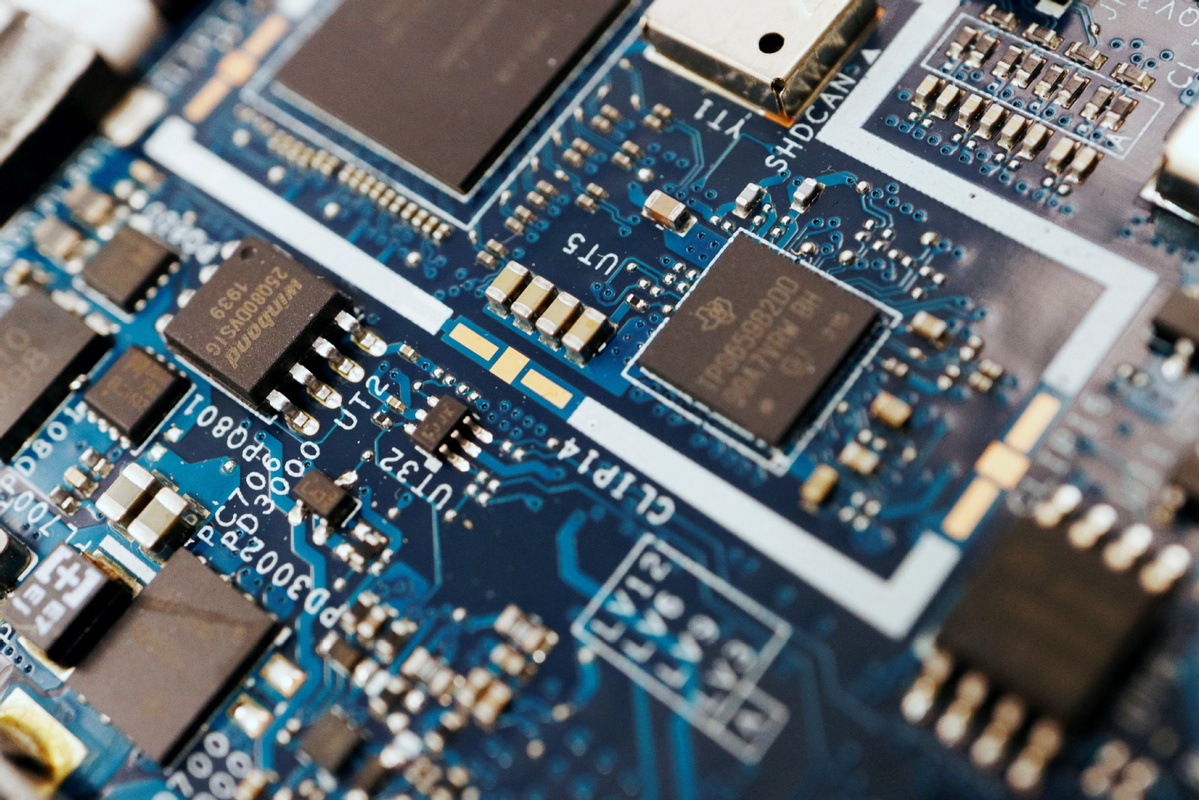
On December 12, China's Ministry of Commerce announced it was suing the United States at the World Trade Organization (WTO) over its abusive chip export curbs against China. The launch of the dispute is critical to bringing disruptive US trade protectionism under accepted legal procedures, and is a wake-up call for Washington to quit underestimating China's defense of its legitimate interests in the advanced chipmaking space. "China takes legal actions within the WTO framework as a necessary way to address our concerns and to defend our legitimate interests," said the Commerce Ministry. Attempts to obstruct global semiconductor supply chains for Washington's unilateral advantage deserve optimum pushback.
Beijing is correct to call-out Washington's zero-sum mentality, and its use of national security as a pretext to justify export controls against Chinese enterprises. That national security farce can't stand the test of legal proceedings at the WTO, which responds to admissible evidence not politics. Moreover, the body has challenged Washington's national security rationale and found it in contravention of WTO regulations this month. Beijing enjoys a position of strength as it had left the door open to consultations in the lead-up to the suit. But Washington has shown no signs of ending its trade protectionism, effectively violating the same WTO rules that it claims to adhere to.
Monday's case has the potential to take the lid off all those violations. It could send a powerful reminder that no state is self-entitled to flagrant disruptions in the semiconductor supply chain space, simply because it wills it. Recent events have made it clear in the US that divisive export control measures, anti-China sanctions, and US pressure on allies to comply have all come back to bite the Biden administration. After all, these measures are emblematic of US resentment towards China's chipmaking prowess, and represent the fear of failing to compete and coexist within the WTO-backed trade order.
Alternatively, trying to establish toxic anti-China containment as some global trade imperative is bound to hit a brick wall. "As we have already communicated to the PRC ... the WTO is not the appropriate forum to discuss issues related to national security," said the spokesperson for the US Trade Representative's office. That national security myth is a familiar one: it took a beating this month after the WTO found US in violation of global trade rules over its 2018 tariffs. As a result, one should also be clear about the realities of China's WTO suit and what sticks at the forum. For one, Beijing-focused "national security" pretexts have no audience at the international trade body.
Interestingly, strengthening China's defense at the WTO are weaknesses in US chip export curbs. For instance, its controversial "friend-shoring" campaign against China has shown no teeth, and Washington has failed to operate within the established frameworks of forums that put a premium on international trade rules. That includes the World Semiconductor Council (WSC) and the Government and Authority Meeting on Semiconductor (GAMS).
As a result, US partners have been warned on the nature of discriminatory export controls that they risk backing. Beijing's trade suit is also critical to set more legal precedents for stable semiconductor supply chains, particularly when the US has setup artificial barriers to China's high-end equipment access, and furthered discontent in Asia's valuable semiconductor ecosystem.
Ultimately, there is no doubt that the US will have to bite the bullet over its deliberate, deeply politicized campaigning against China's advanced chip access. Beijing's decision to head to the trade body is fundamental to the protection of global semiconductor supply chains at present. It is also necessary to expose the limits of those who wish to upend the global trade order for their unilateral advantage, the very definition of coercion.
The author is a foreign affairs commentator and author.
The opinions expressed here are those of the writer and do not necessarily represent the views of China Daily and China Daily website.
If you have a specific expertise, or would like to share your thought about our stories, then send us your writings at opinion@chinadaily.com.cn, and comment@chinadaily.com.cn.