
日批在线视频_内射毛片内射国产夫妻_亚洲三级小视频_在线观看亚洲大片短视频_女性向h片资源在线观看_亚洲最大网

January

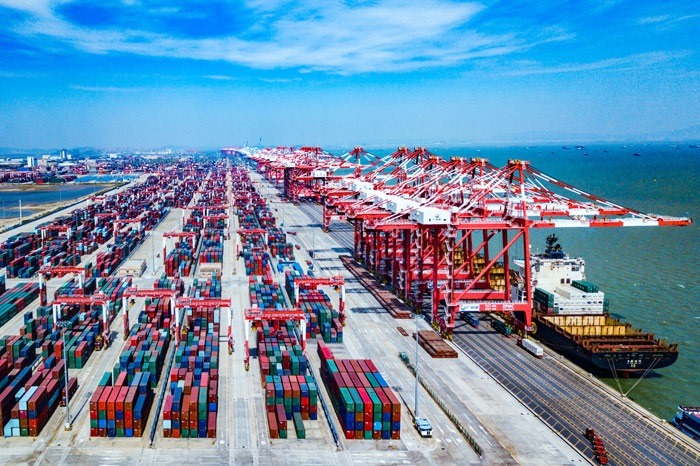
The Regional Comprehensive Economic Partnership, which officially came into effect on Jan 1, comprises all 10 members of the Association of Southeast Asian Nations, as well as China, Japan, South Korea, Australia and New Zealand.

It is the world's largest free trade bloc, promoting regional economic integration through tariff concessions and other trade and investment liberalization and assistance.

The RCEP accounts for around 30 percent of the world's total population, economic output and trade.
February

The Russia-Ukraine conflict appears to have reached a deadlock both on the battlefield and at the negotiation table as more than 300 days have passed since the start of hostilities on Feb 24.

The Ukraine crisis broke out after incitement from the United States and its allies by further orchestrating NATO's eastward expansion.

Western countries have imposed rounds of sanctions to try to crush the Russian economy. However, those sanctions have backfired and hurt US allies, and have slowed the world's post-pandemic recovery by its impact on food and energy prices and global supply chains.

March

To bring down decades-high inflation, the US Federal Reserve has been raising interest rates since March, including hiking 75 basis points at four consecutive meetings.

The Fed has raised interest rates seven times this year with a total increase of 425 basis points -- a move widely seen as a political calculation to take advantage of the dominance of the dollar to pass domestic risks to the outside world, disrupting the global economy and financial markets.

April

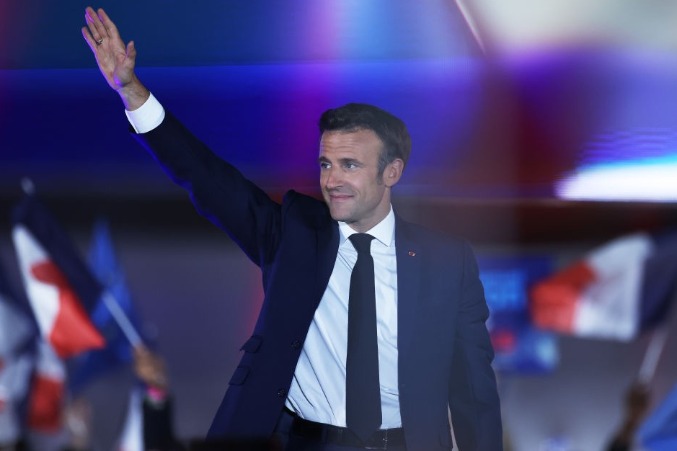
France's President Emmanuel Macron has beaten his far-right rival, Marine Le Pen, in the second-round runoff, on April 24, and secured another five-year term in office.

The 44-year-old centrist and pro-European Union Macron has become the first French president to win re-election since Jacques Chirac in 2002. He will have to face challenges both inside and outside of France, according to some experts.

Macron is trying his best to push for European strategic autonomy during the remainder of France's EU presidency.?

On social media, European Council President Charles Michel said Europe "can count on France for five more years".
May

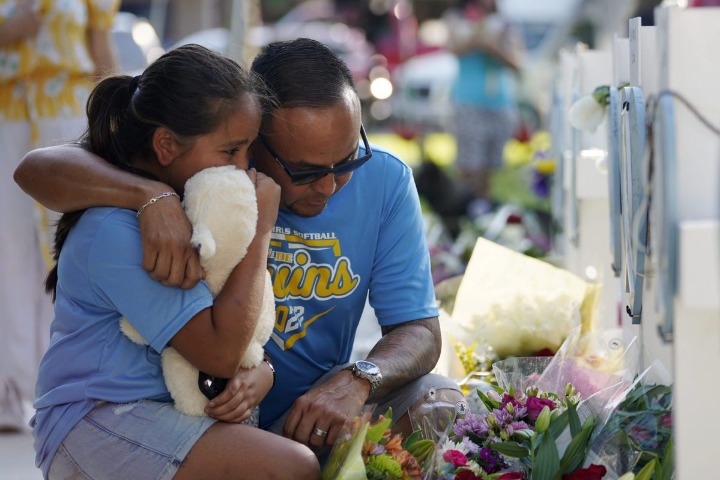
On May 24 in Uvalde, Texas, 19 children and two adults were killed in a shooting at Robb Elementary School in the country's second-worst school shooting since the attack at Sandy Hook in 2012.

The 18-year-old gunman, who authorities identified as Salvador Ramos, was inside the school for more than an hour before responding officers entered a classroom and killed him.

The US has suffered 639 mass shootings and lost 43,567 lives to gun violence as of Dec 26, according to the Gun Violence Archive, a nonprofit research group.
June

On June 22, a destructive earthquake in southeastern Afghanistan has caused at least 1,500 deaths and more than 2,000 injuries.

The earthquake is the most serious to hit the country in more than 20 years.

China has pledged emergency humanitarian assistance worth 50 million yuan (about $7.5 million) to assist the quake-affected regions.

Several countries along with international agencies, including UN High Commissioner for Refugees and UN Children's Fund, have also assisted the affected regions.

July

Former Japanese Prime Minister Shinzo Abe died after being shot by a gunman during a campaign speech in the western Japanese city of Nara on July 8.

Abe, 67, who had been Japan's longest-serving prime minister, left a controversial legacy of a huge economic stimulus program, a hawkish stand on reforming the pacifist Constitution and plans to expand Japan's military presence in the world.

August

Europe is experiencing its worst drought in at least 500 years, with about two-thirds of the continent in a state of alert or warning, according to the European Drought Observatory.

In its August report, the organization said about 47 percent of Europe is under warning conditions due to a severe deficit of soil moisture. Another 17 percent of the continent is in alert conditions.

The drought has disrupted inland shipping and electricity production, and has affected certain crop yields, it said.

September

Queen Elizabeth II, the longest-reigning monarch in British history, died at Balmoral Castle, Scotland on Sept 8, at age 96.

At the age of 25, Princess Elizabeth became Queen Elizabeth II, and a new era had begun, one that has ended 70 years later.

The death of the Queen brought to a close the modern Elizabethan era, and saw a huge display of public mourning, rounded off by a state funeral, attended by the guests from across the world.

The future is King Charles III, a very different monarch, for a very different country, in a very different world.

October

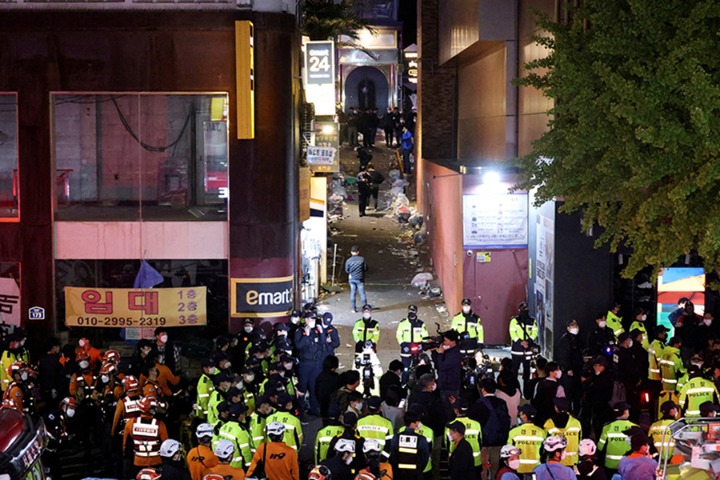
At least 158 people were killed and 196 injured in the crowd crush of the South Korean capital Seoul’s Itaewon district on Oct 29 during Halloween gatherings.

It was the country's deadliest disaster since a ferry sinking incident left 304 people dead in April 2014. Twenty-six foreigners from 14 countries were among the victims.

The accident happened at around 10:30 pm, when people were trapped and crushed as the crowd surged into a sloping alley less than 4 meters wide.
November

The 27th session of the Conference of the Parties to the United Nations Framework Convention on Climate Change, or COP27, concluded on Nov 20 with the reaching of a long-awaited agreement to provide "loss and damage" funding to vulnerable countries heavily affected by global climate change.

For the first time, "loss and damage" was a primary agenda item for discussion during this year's gathering.

During this year's session, developing countries also repeatedly called for developed countries to fulfill their promise to provide $100 billion each year to developing countries to help them fight climate change.
December

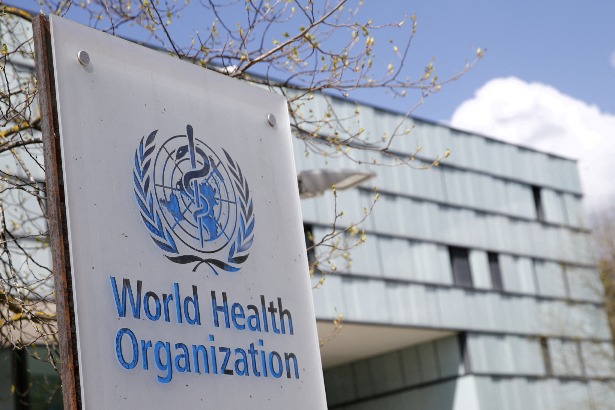
The World Health Organization said on Dec 14 it is hopeful that COVID-19 will no longer be a global health emergency at some point next year.

In a press briefing in Geneva, WHO Director-General Tedros Adhanom Ghebreyesus said the WHO COVID-19 Emergency Committee will discuss in January the criteria for declaring an end to the emergency.

However, the SARS-CoV-2 virus will not go away, he added.

The WHO chief said one of the most important lessons from the pandemic is all countries need to strengthen their public health systems to prepare for, prevent, detect and respond rapidly to outbreaks, epidemics and pandemics.
Joe Biden was sworn in as the 46th president of the United States on Jan 20, taking over a nation hollowed out by a health crisis, an economic recession and a protracted political divide. On Jan 6, Capitol Hill was stormed by Donald Trump's supporters as Congress convened a joint session to certify Biden's victory in the election, leaving five people dead.Joe Biden was sworn in as the 46th president of the United States on Jan 20, taking over a nation hollowed out by a health crisis, an economic recession and a protracted political divide. On Jan 6, Capitol Hill was stormed by Donald Trump's supporters as Congress convened a joint session to certify Biden's victory in the election, leaving five people dead.
January
RCEP takes effect

The Regional Comprehensive Economic Partnership, which officially came into effect on Jan 1, comprises all 10 members of the Association of Southeast Asian Nations, as well as China, Japan, South Korea, Australia and New Zealand.

It is the world's largest free trade bloc, promoting regional economic integration through tariff concessions and other trade and investment liberalization and assistance.

The RCEP accounts for around 30 percent of the world's total population, economic output and trade.

February
Russia-Ukraine conflict hinders world recovery

The Russia-Ukraine conflict appears to have reached a deadlock both on the battlefield and at the negotiation table as more than 300 days have passed since the start of hostilities on Feb 24.

The Ukraine crisis broke out after incitement from the United States and its allies by further orchestrating NATO's eastward expansion.

Western countries have imposed rounds of sanctions to try to crush the Russian economy. However, those sanctions have backfired and hurt US allies, and have slowed the world's post-pandemic recovery by its impact on food and energy prices and global supply chains.

March
US Fed hikes interest rates

To bring down decades-high inflation, the US Federal Reserve has been raising interest rates since March, including hiking 75 basis points at four consecutive meetings.

The Fed has raised interest rates seven times this year with a total increase of 425 basis points -- a move widely seen as a political calculation to take advantage of the dominance of the dollar to pass domestic risks to the outside world, disrupting the global economy and financial markets.

April
Macron re-elected as French president

France's President Emmanuel Macron has beaten his far-right rival, Marine Le Pen, in the second-round runoff, on April 24, and secured another five-year term in office.

The 44-year-old centrist and pro-European Union Macron has become the first French president to win re-election since Jacques Chirac in 2002. He will have to face challenges both inside and outside of France, according to some experts.

Macron is trying his best to push for European strategic autonomy during the remainder of France's EU presidency.?

On social media, European Council President Charles Michel said Europe "can count on France for five more years".

May
Gunman in US school kills 21

On May 24 in Uvalde, Texas, 19 children and two adults were killed in a shooting at Robb Elementary School in the country's second-worst school shooting since the attack at Sandy Hook in 2012.

The 18-year-old gunman, who authorities identified as Salvador Ramos, was inside the school for more than an hour before responding officers entered a classroom and killed him.

The US has suffered 639 mass shootings and lost 43,567 lives to gun violence as of Dec 26, according to the Gun Violence Archive, a nonprofit research group.

June
Quake hits Afghanistan

On June 22, a destructive earthquake in southeastern Afghanistan has caused at least 1,500 deaths and more than 2,000 injuries.

The earthquake is the most serious to hit the country in more than 20 years.

China has pledged emergency humanitarian assistance worth 50 million yuan (about $7.5 million) to assist the quake-affected regions.

Several countries along with international agencies, including UN High Commissioner for Refugees and UN Children's Fund, have also assisted the affected regions.

July
Gunman assassinates Japan's former PM Abe

Former Japanese Prime Minister Shinzo Abe died after being shot by a gunman during a campaign speech in the western Japanese city of Nara on July 8.

Abe, 67, who had been Japan's longest-serving prime minister, left a controversial legacy of a huge economic stimulus program, a hawkish stand on reforming the pacifist Constitution and plans to expand Japan's military presence in the world.

August
Europe's most severe drought in 500 years

Europe is experiencing its worst drought in at least 500 years, with about two-thirds of the continent in a state of alert or warning, according to the European Drought Observatory.

In its August report, the organization said about 47 percent of Europe is under warning conditions due to a severe deficit of soil moisture. Another 17 percent of the continent is in alert conditions.

The drought has disrupted inland shipping and electricity production, and has affected certain crop yields, it said.

September
Queen passes away

Queen Elizabeth II, the longest-reigning monarch in British history, died at Balmoral Castle, Scotland on Sept 8, at age 96.

At the age of 25, Princess Elizabeth became Queen Elizabeth II, and a new era had begun, one that has ended 70 years later.

The death of the Queen brought to a close the modern Elizabethan era, and saw a huge display of public mourning, rounded off by a state funeral, attended by the guests from across the world.

The future is King Charles III, a very different monarch, for a very different country, in a very different world.

October
Seoul crush leaves 158 dead

At least 158 people were killed and 196 injured in the crowd crush of the South Korean capital Seoul’s Itaewon district on Oct 29 during Halloween gatherings.

It was the country's deadliest disaster since a ferry sinking incident left 304 people dead in April 2014. Twenty-six foreigners from 14 countries were among the victims.

The accident happened at around 10:30 pm, when people were trapped and crushed as the crowd surged into a sloping alley less than 4 meters wide.

November
'Loss and damage' fund approved at COP27

The 27th session of the Conference of the Parties to the United Nations Framework Convention on Climate Change, or COP27, concluded on Nov 20 with the reaching of a long-awaited agreement to provide "loss and damage" funding to vulnerable countries heavily affected by global climate change.

For the first time, "loss and damage" was a primary agenda item for discussion during this year's gathering.

During this year's session, developing countries also repeatedly called for developed countries to fulfill their promise to provide $100 billion each year to developing countries to help them fight climate change.

December
WHO eyes end to COVID emergency in 2023

The World Health Organization said on Dec 14 it is hopeful that COVID-19 will no longer be a global health emergency at some point next year.

In a press briefing in Geneva, WHO Director-General Tedros Adhanom Ghebreyesus said the WHO COVID-19 Emergency Committee will discuss in January the criteria for declaring an end to the emergency.

However, the SARS-CoV-2 virus will not go away, he added.

The WHO chief said one of the most important lessons from the pandemic is all countries need to strengthen their public health systems to prepare for, prevent, detect and respond rapidly to outbreaks, epidemics and pandemics.

Joe Biden was sworn in as the 46th president of the United States on Jan 20, taking over a nation hollowed out by a health crisis, an economic recession and a protracted political divide. On Jan 6, Capitol Hill was stormed by Donald Trump's supporters as Congress convened a joint session to certify Biden's victory in the election, leaving five people dead.Joe Biden was sworn in as the 46th president of the United States on Jan 20, taking over a nation hollowed out by a health crisis, an economic recession and a protracted political divide. On Jan 6, Capitol Hill was stormed by Donald Trump's supporters as Congress convened a joint session to certify Biden's victory in the election, leaving five people dead.
主站蜘蛛池模板: 欧美一级久久久 | 欧日韩在线视频 | 亚洲欧洲天堂 | 六月婷婷av | 亚洲 美腿 欧美 偷拍 | 中文视频在线观看 | 亚洲精品中文字幕在线观看 | 蜜臀av一区二区 | 93久久精品日日躁夜夜躁欧美 | 91精品看片| 香蕉视频在线视频 | 欧美日韩黄色大片 | 91在线不卡 | 久久久久久久久国产精品 | 国产毛片在线 | 欧美视频在线观看一区 | 欧美在线日韩在线 | 日韩第五页 | 亚洲视频免费看 | 亚洲欧美日本在线 | 都市激情自拍偷拍 | 黄色免费在线观看网站 | 欧美黄色激情视频 | 日韩网 | 久久久人人人 | 色老头av| xxxxxx国产| 欧美大片在线观看 | 天天综合色 | 逼逼爱插插网站 | 欧美一级特黄高清视频 | 人人干视频| 东方欧美色图 | 九九久久视频 | 麻豆精品久久 | 欧美日韩99 | 国产美女啪啪 | xxxx性xxxx| 欧美午夜一区 | 亚洲在线视频观看 | 亚洲婷婷网|