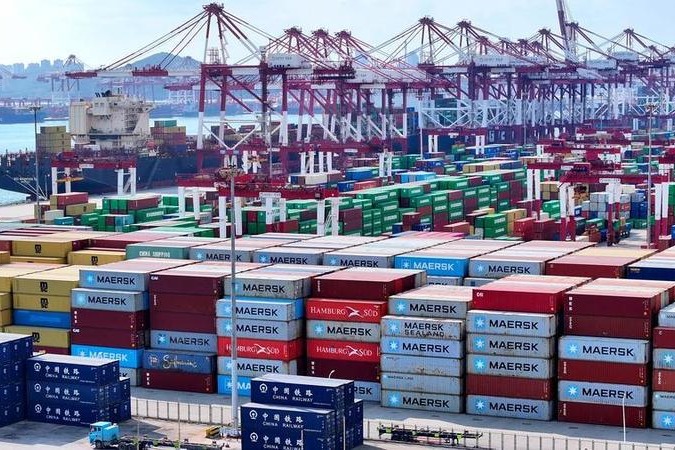
Innovation-led growth can help resolve labor shortage issue









Editor's note: In recent years, China has faced labor shortage in its key coastal manufacturing regions mainly due to high costs. In order to ease the labor supply problem, the enterprises should focus on innovation to improve productivity, writes a veteran journalist with China Daily.
Enterprises and local governments in China's coastal areas have been reportedly chartering flights, and booking train and bus tickets to bring back their employees or job seekers from hundreds of kilometers away, many times free of charge, after the end of the Spring Festival holiday.
The Spring Festival holiday is traditionally one week long, which ended in late January this year. But for most migrant workers who returned home for family reunion during the holiday, the festival lasts until the Lantern Festival which fell on Feb 5 this year. So February will see about 300 million rural laborers traveling to cities and towns to resume work or seek a job.
But don't presume that the employers are providing free transportation for their existing or potential workers because they are simply too generous. The fact is, haunted by the labor shortage, they are trying to make sure they have enough hands to keep their factories running.
Needing tens of millions of migrant workers to fill up their vacant posts, better-developed provinces such as Guangdong, Jiangsu and Zhejiang are sending their officials to host labor fairs in the relatively less developed central and western regions.
China has a population of 1.41 billion and a labor-force of nearly 800 million. However, both its population and workforce are declining. Last year, its population declined for the first time in more than 60 years, with most demographers saying the negative population growth trend is irreversible. And the news of negative population growth has prompted the bosses to act fast and take measures to transport laborers from their hometowns to their place of work.
Moreover, in 2021, China had about 48.42 million enterprises, with about 99 percent of them being small and medium-sized enterprises which provide an overwhelming percentage of the jobs in the country.
Some observers say the labor shortage in the coastal areas is not because of a lack of human resources, rather it is the result of young people changing employment and the authorities' efforts to transfer some industries to western China.
Besides, earlier rural laborers used to take up any job that fetched them more money than what they earned by toiling on their land. But today, rural workers are better educated, with many of them having grown up in cities, and are thus choosy about jobs. To them, working on assembly lines in factories means long working hours and unsatisfactory living conditions, which they are not interested in doing.
Supported by their parents who managed to save some money after decades of hard work, these young people tend to open their own business or find a job that offers them more freedom. Operating an online shop is a popular business option among the young. In fact, there are more than 22 million such online shops.
Some prefer joining the growing army of express couriers and takeout deliverymen. It is reported that over 17 million people, including some university graduates, are shuttling in cities and towns on their e-bikes as couriers and deliverymen. Such jobs offer more freedom to younger people so they can choose to work at their own pace.
To deal with the rising labor costs, many enterprises are transferring their production units either to other countries or to the less-developed regions in China. The central authorities encourage such transfers and many local governments in China's western region are offering policies to attract investments that in turn help create jobs.
When rural laborers find they can get jobs nearer home — even if it means earning 20-25 percent less than in the coastal areas — many take them up because they can take better care of their parents and kids and save the travel and boarding expenses.
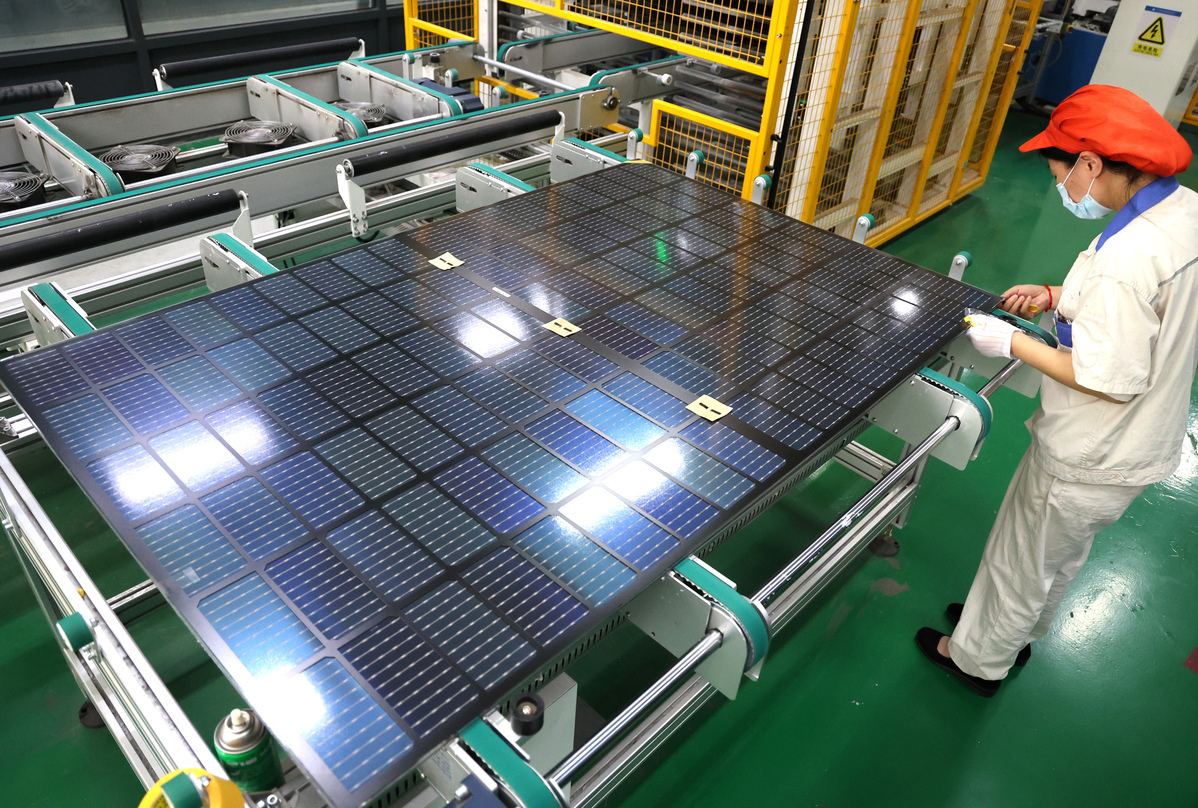
In the short term, the labor shortage in the coastal region should be helpful in speeding up the industrial transformation. But in the long term, the labor shortage problem can be solved only when the country shifts from the labor-intensive industrial development model to one that is driven by technological innovation.
The author is former deputy editor-in-chief of China Daily.
If you have a specific expertise, or would like to share your thought about our stories, then send us your writings at opinion@chinadaily.com.cn, and comment@chinadaily.com.cn.