



Fed, bank turmoil keep markets on tenterhooks and learning curve









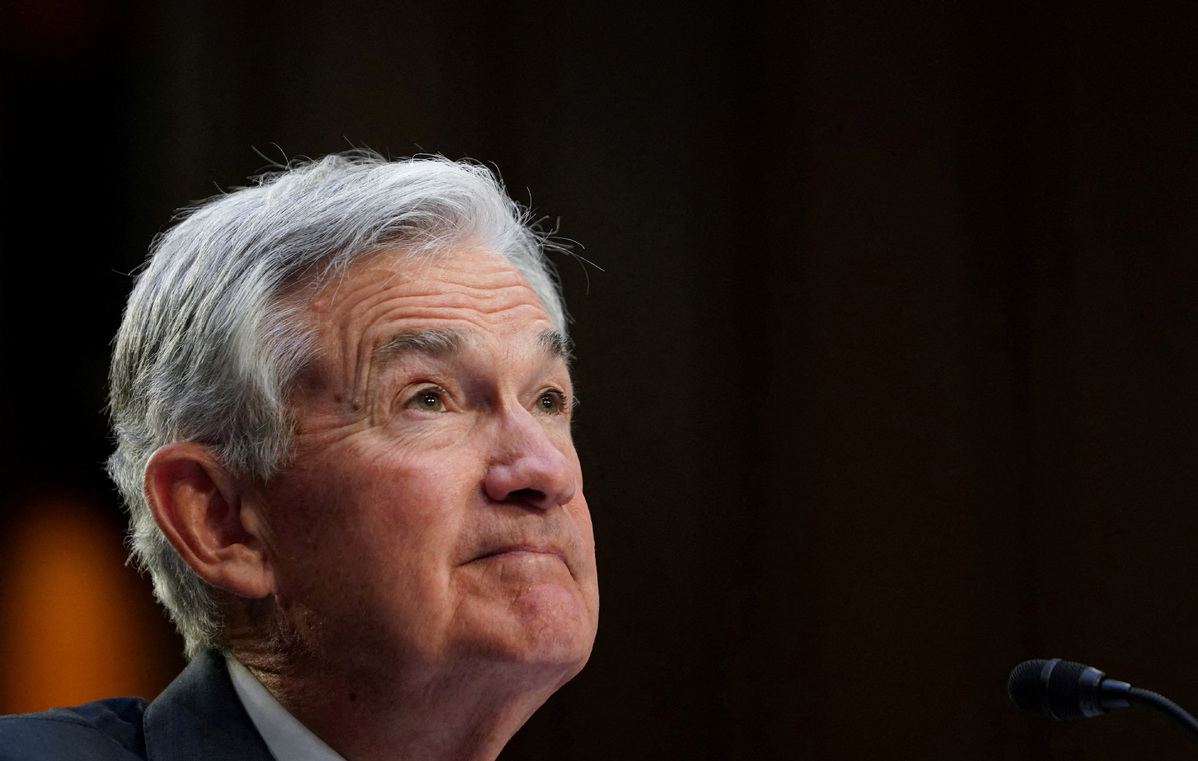
As the banking turmoil in the United States and Europe continues to unfold, financial markets appear to be more nervous than ever as the US Federal Reserve is expected to announce a potentially pivotal interest rate decision on Wednesday.
The Fed has a difficult decision to make as fears are mounting that the collapse of the California-based Silicon Valley Bank, which has already sparked a wider banking crisis, could lead to a substantial economic recession.
The SVB saga can help us to both understand the current situation better and see where it might lead us next.
Let's hit rewind. In 2020, the Fed slashed interest rates and rolled out quantitative easing to shore up growth when the US economy was hit by the COVID-19 pandemic.
The flood of liquidity caused a surge in deposits at banks such as SVB. But, crucially, loan demand was weak. The profit-minded SVB, therefore, invested a large chunk of its low-cost deposits in higher-yielding long-term government bonds and mortgage-backed securities.
But things quickly turned ugly when interest rates rose sharply on the Fed's aggressive tightening aimed at reining in runaway inflation. Rising interest rates means falling bond prices. SVB's long-dated government bond investments, which were unhedged, soured rapidly, resulting in multibillion-dollar unrealized losses on its balance sheet.
Rising interest rates also took a heavy toll on SVB's clients, which concentrated on tech startups and venture capital firms. They began to pull cash out of their accounts to meet liquidity needs. Many of them saw a shortage of funding as financing costs surged due to higher interest rates.
To meet the increasing client demand for cash withdrawals, SVB was forced to sell the long-term securities it owned at a huge loss. The bank also terminated its rate hedges or let them expire, to lock gains and bolster profits, leaving its entire bond portfolio almost entirely exposed to interest rate risk.
What worsened matters was SVB's public announcement of its fund-raising plan in hopes of plugging the funding hole on its balance sheet. That sparked a crisis of confidence, even panic, among depositors who pulled out a staggering $42 billion in a single day. No bank could have survived such a massive run on its cash.
SVB's demise is considered a classic case of a liquidity crisis causing a run on a bank. A thorough investigation can reveal more. Meantime, it's possible to draw some lessons.
First, if creating a huge asset-liability mess by leaving its bond portfolio almost entirely unhedged is considered one big mistake by SVB's executives, letting such poor risk management practices happen does expose the banking regulatory shortcomings.
In fact, the US Congress passed a bill in 2018 to loosen regulation on medium-sized banks. The bill raised the threshold for bank stress tests to $250 billion in assets. SVB reported $212 billion in assets for the fourth quarter of 2022 prior to its collapse. Had the US regulators subjected SVB to stress tests regularly, liquidity risks would probably not have accumulated to such a high level.
The ongoing banking woes show that focusing only on large and systemically important banks is not enough to safeguard financial stability. The underestimated danger of failure of smaller banks and the impact of risk contagion could lead to a broader crisis of confidence that can eventually bring down much larger banks, as the debacle of Swiss bank Credit Suisse — a "too big to fail" financial institution — appears to show.
Second, highly concentrated client bases mean high risks. SVB amassed a huge pile of uninsured deposits mostly from tech startups and venture capital firms focused on cryptocurrency, fintech and healthcare. These segments are especially vulnerable to changes in financing conditions. They were among the first to bear the brunt of sharp rate rises. Troubled US banks such as Silvergate Bank, First Republic Bank and Signature Bank all have similar client backgrounds.
As some commentators have pointed out, the Achilles' heel of SVB wasn't its assets but liabilities. The SVB case reminds us again that when a certain industry falters during a time of financial stress and economic downturn, dangers and risks will certainly spread to the banking sector.
Last but not least, the collapse of SVB has prompted many to reflect on the roles of the government and financial regulators during a crisis. The swift actions by US regulators to shore up market confidence with the creation of a $25 billion Bank Term Funding Program following the SVB closure should be applauded. Any hesitation or delay in this context could have only led to a wider crisis of confidence.
There have also been calls for an expansion of the US federal guarantee on bank deposits. But a full government bailout also raised concerns over the issue of moral hazard. Knowing that the government will act as a backstop, bankers may tend to become more, not less, reckless. It could also sow the seeds of a future crisis. Similar concerns emerged during the 2008 global financial crisis.
The difficult task for all policymakers is how they can facilitate a smooth and market-oriented exit of troubled financial institutions and break the expectation of "too big to fail". Hopefully, the ongoing discussions on government rescue plans could help change the course of future reform of global financial regulation toward a better direction.



















