Expats need to break stereotypes and ignore misinformation









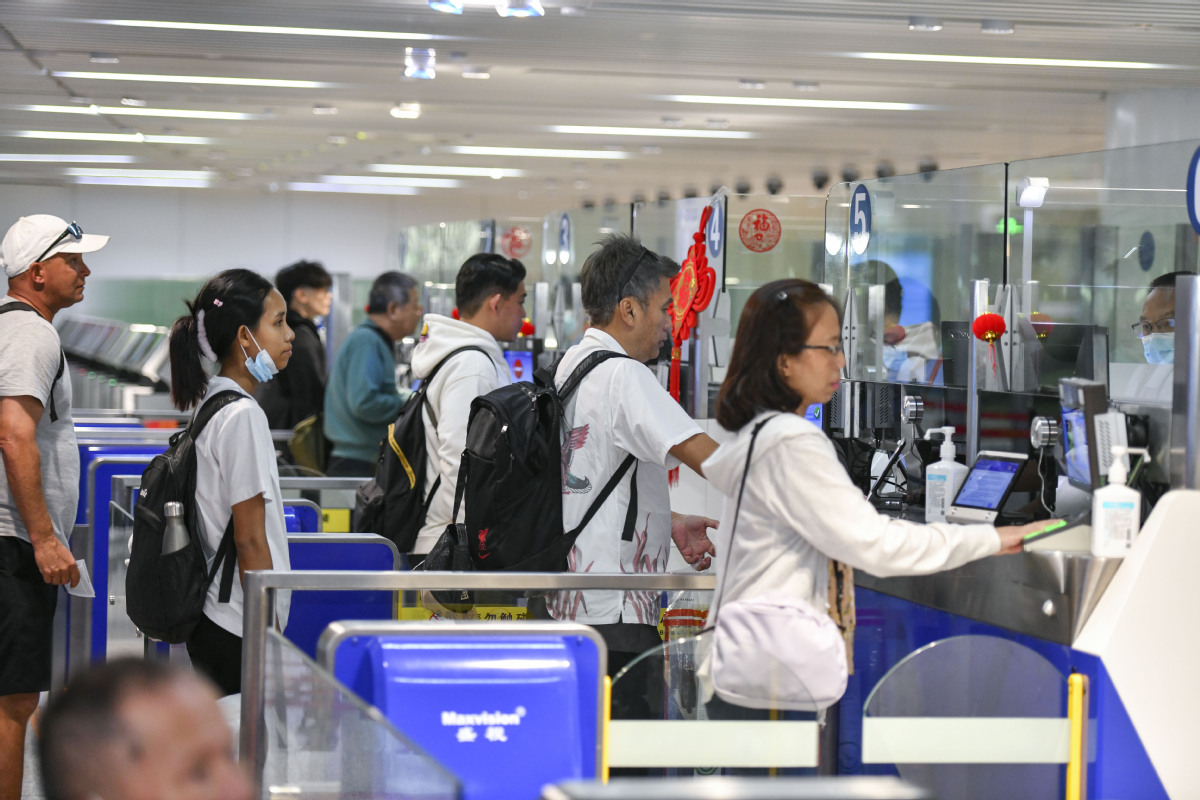
During my journalistic career of more than a decade, I have asked foreigners about their first impressions of China. Many of them expressed their surprise or admiration, saying the China and Chinese people they experienced differed greatly from the portrayal they had formed through media and other sources in their home countries.
Despite China being the world's second-largest economy, there still exists a widespread ignorance, various stereotypes and even misinformation about the country abroad.
This is partly because of the long-term depiction of Chinese culture and life in Western media, literary works and films. For example, some ordinary foreigners think all Chinese people know how to practice martial arts, some have only heard of pandas in China, and some even believe China is still an extremely backward country and that its people still live a miserable life.
Meanwhile, some Western politicians and media, driven by ideological and political motivations, have continuously spread misinformation about China, tarnishing and even demonizing its image in the eyes of the international public.
For example, because of ideological differences, they would view China's rapid development over the past few decades as posing a "threat" to the West. They have accused the China-proposed Belt and Road Initiative of creating "debt traps" for developing countries. They have also persistently made unfounded accusations on issues related to Xinjiang, Xizang, Hong Kong and the Taiwan question, including falsely accusing China of committing "genocide" in the Xinjiang Uygur autonomous region.
In fact, China's fast-growing economy has become a significant engine for global economic growth over the past few decades. Last year, it is estimated to have contributed more than 30 percent to the world's growth. China has developed a vast and diverse industrial system, promoting the global allocation of production factors, enhancing productivity levels in many countries and offering a huge market for all countries.
As for the BRI, in the past 11 years, Belt and Road cooperation has generated nearly $1 trillion of investment, resulted in more than 3,000 cooperation projects and lifted nearly 40 million people out of poverty.
And in Xinjiang, claims of "genocide" are utterly unfounded. Over the past 60 years, the Uygur population has grown from 2.2 million to about 12 million, and their average lifespan has increased from 30 to 75 years.
Fortunately, many expats have had their preconceived notions about China changed after visiting this country. Some have started to enjoy the convenience of modern life and the dividends brought about by China's economic development; some ponder the development logic and secrets behind the country's remarkable achievements; others relish the culture and cuisine and enjoy making friends with locals. Additionally, many of them have started to share their observations and thoughts through writing books, creating short videos and other means, aiming to break down the stereotypes about China and portray a true picture of the country to an international audience.
Recently, China has further increased its openness to the global community, welcoming more foreign visitors. The country has signed mutual visa exemption agreements with 157 countries, covering different types of passports. It has reached agreements or arrangements with 44 countries to streamline visa procedures, and achieved comprehensive mutual visa exemption with 23 countries, including Thailand, Singapore and the United Arab Emirates.
Seeing is believing. It is hoped that more foreigners will take the opportunity to visit China, engage with the local people and immerse themselves in the scenery, culture and everyday life of the country.
No country is without its flaws; every country has its strengths and areas that need improvement. Those who do not know China well should set aside arrogance and prejudice, ignore false information and stereotypes and avoid making hasty conclusions before truly experiencing China firsthand.
If individuals could personally experience and perceive China with an open and inclusive attitude, they would find the real China is very different from what some Western media and politicians have described. This would allow them to form a more objective and comprehensive understanding of China, which is beneficial for both China and the individuals themselves.