



ASEAN states struggle as El Nino bites
Joint action urged as prolonged dry spell and higher temperatures cut food supply









In Indonesia's Aceh Province, coffee grower Adha Arico has seen how extreme heat has affected his crops.
Although his farm in the village of Suka Makmur is located in a highland area with relatively cooler temperatures, Arico said the weather has been hotter in the past few days. His coffee trees, while still bearing cherries despite the onset of the El Nino season, are producing beans that are "a bit less than in normal times".
Coffee is one of Indonesia's cash crops and Aceh, in the western island of Sumatra, is one of the biggest coffee producing areas. To reduce the dry weather's influence on their coffee harvest, farmers in Aceh intercrop coffee trees with avocado trees as this helps lower the high temperature.
"We feel it here," Arico said. "People here know there are El Nino troubles in many parts of Indonesia."
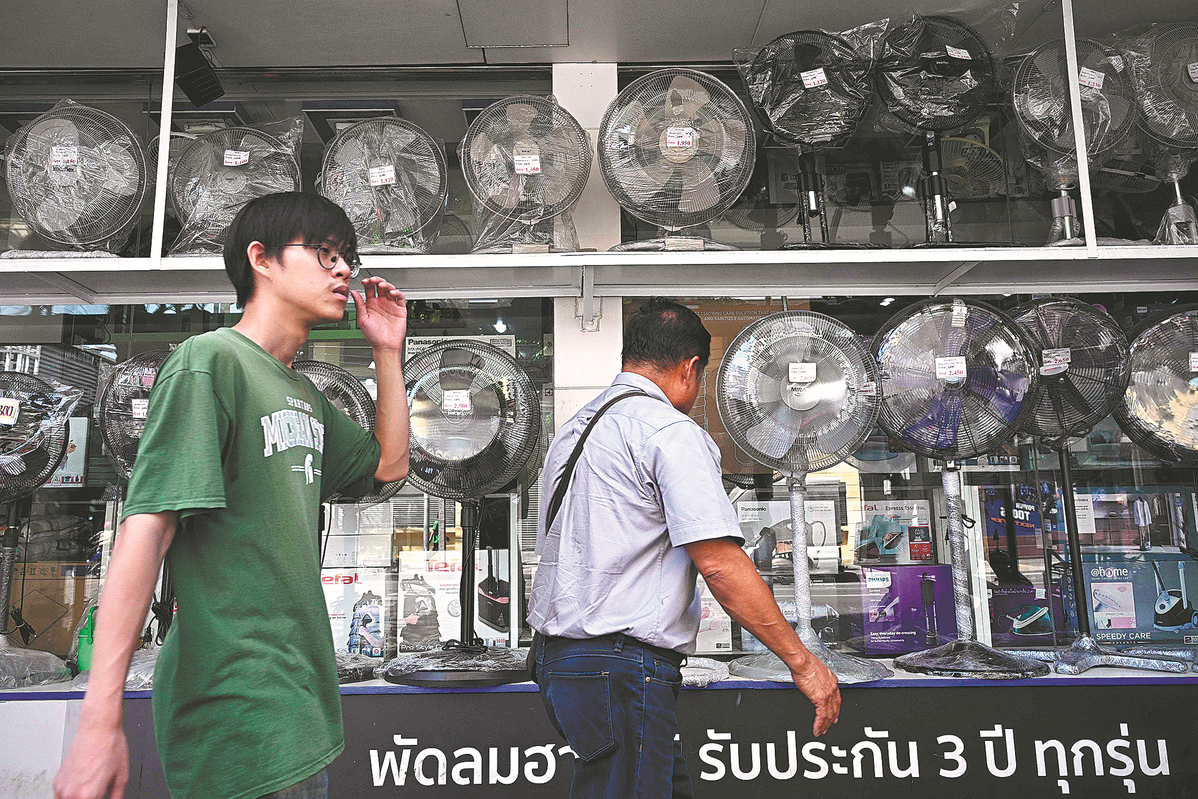
The onset of El Nino has not only parched farmlands in Indonesia, but also affected some member countries of the Association of Southeast Asian Nations, with temperatures hitting as much as 40 C in mid-March.
The ASEAN Specialized Meteorological Center has forecast the region will have "above-normal temperatures" this month, with "below-normal rainfall" expected for the Mekong Subregion.
A prolonged dry spell caused by El Nino can cut food supply and commodity exports, experts warned. Indonesia, Malaysia, Thailand and Vietnam are among the world's biggest agri-commodity exporters.
Meanwhile, climate change has also intensified the heat wave, making it more urgent for governments to enforce policies that will mitigate the effect of extreme heat on farmlands and human health, experts said.
"A single dry spell doesn't necessarily prove climate change, but it's a cause for concern, especially if it fits a pattern of increasing aridity," Jongsoo Shin, regional director for Asia at the International Rice Research Institute in the Philippines, said.
The increased frequency and severity of dry spells could be linked to climate change, he said, and this can significantly reduce the production of rice — a staple crop in Asia — as it is a water-intensive crop. He said lower production can also spike food prices and lead to food insecurity.
Siva Kumar Balasundram, head of the Department of Agriculture Technology at Universiti Putra Malaysia, estimated that a 1-degree increase in temperature could reduce rice yield by up to 10 percent as the dry weather disrupts the process of nutrient uptake and photosynthesis.
Aridity and heat are "co-stressors" that can also cut down the yield of other crops, Balasundram said.
Emerging technologies can mitigate the effects of El Nino, he said. For example, irrigation technologies powered by artificial intelligence can make a difference in delivering water to crops in a timely manner without wastage.
Sheeba Nettukandy Chenoli, senior lecturer at the Department of Geography in the University of Malaya, said El Nino can lead to water shortage that can hurt the agriculture sector and the public.
Mitigating risks
As such, both the governments and local communities must take proactive measures to mitigate the risks associated with extreme events. These include establishing early warning systems, promoting water conservation measures, investing in water storage infrastructure and diversifying water sources through rainwater harvesting.
On a broader scale, Chenoli said ASEAN member states can develop regional policies to mitigate the effect of adverse weather events.
The dry season has increased saline intrusion in Vietnam's Mekong Delta, reducing water supply for home consumption and irrigation.
The Thai National Shippers' Council forecast that the drought will cut rice production by 0.6 percent to 0.9 percent and slash cassava, fruit and seafood exports this year, The Nation newspaper reported.
Indonesia has imported 650,000 metric tons of rice and has signed import contracts for another 350,000 tons to close the gap in the local shortage caused by the drought.
Leonardus Jegho in Jakarta contributed to this story.
prime@chinadailyapac.com










