



China, ROK illuminate science, tech innovation









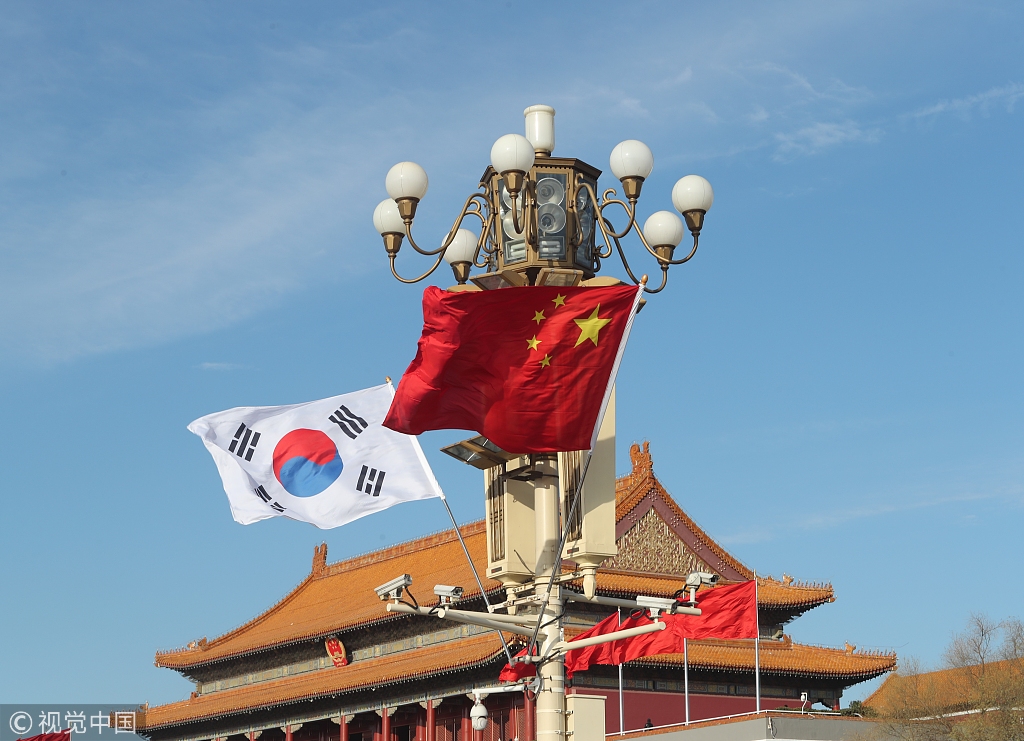
In a rapidly evolving global technological landscape, China continues to make significant strides in science and technology despite facing economic challenges. With substantial investments in research and development, China aims to become a global leader by 2050, especially in high-tech industries such as robotics, aerospace and artificial intelligence (Al). This strategic push is aimed at bolstering the country's sustainable economic development, better safeguarding national security and enhancing competitiveness in the global market.
Against this backdrop, the Republic of Korea and China must strategically engage to leverage their strengths and navigate the complexities of global technological competition. But this cooperation requires careful navigation, and demands a balanced and nuanced strategy in forming technology partnerships, given the escalating high-tech rivalry between the United States and China.
The ROK and China should proactively pursue joint R&D projects, focusing on cutting-edge technologies like quantum computing, autonomous driving and hydrogen energy. Collaborative R&D can lead to shared innovations and faster advancements, and facilitating talent exchange programs can bridge the expertise gaps, promote mutual understanding and enhance specialized skills.
Early initiation of these programs would be beneficial to both sides, inculcating a culture of innovation among young people. The ROK can benefit from China's vast talent pool in technology while offering its own skilled professionals opportunities to learn and pursue innovation.
The two countries should work toward creating integrated digital ecosystems that support startups and high-tech enterprises. Also, by sharing the best practices and fostering an environment conducive to innovation, the two sides can strengthen their respective position in the global high-tech arena.
Joint efforts to understand and navigate each other's regulatory landscapes can minimize investment risks for both sides and enhance bilateral cooperation. The two sides, for example, could align their standards and protocols in emerging tech fields to facilitate smoother cross-border operations. The ROK's expertise and strength in semiconductor manufacturing and digital infrastructure can complement China's advancements in Al and big data. And initial collaboration in these areas, with gradual extension to other areas, can provide significant high-tech breakthroughs and increase their market advantages.
However, sustainability should be at the core of this high-tech cooperation. Joint initiatives in areas such as renewable energy and sustainable urban development can help the two sides address global environmental challenges while driving economic growth. The two sides could also promote a culture of innovation through joint academic programs, workshops and conferences, in order to stimulate creative solutions and foster a spirit of entrepreneurship among young professionals in both countries.
Moreover, China's ambitious high-tech agenda has created both challenges and opportunities for the ROK. By fostering a cooperative relationship based on mutual benefit and strategic alignment, Seoul can enhance its technological capabilities and ensure sustained growth in an increasingly competitive global landscape.
To be sure, the future of ROK-China cooperation in the science and technology sector lies in leveraging their shared strengths, collaboratively navigating challenges, and committing to continuously promote innovation. Hence, the two sides should strive to complement and support each other in the global value chains of emerging industries, maintaining a forward-looking perspective.
The present geopolitical environment necessitates that the ROK and China balance their partnerships with other major economies while strengthening bilateral cooperation. This delicate balance will be crucial in maintaining growth in the high-tech sector and navigating the complexities of international relations.
By embracing these strategies, the ROK and China can consolidate their roles as key players in the global high-tech ecosystem, ensuring they remain at the forefront of innovation despite the US-China tech rivalry. This is a critical juncture that calls for smart and strategic action, and both the ROK and China are capable of jointly taking that action.
The author is chief representative of Korea-China Science & Technology Cooperation Center.
The views don't necessarily reflect those of China Daily.
If you have a specific expertise, or would like to share your thought about our stories, then send us your writings at opinion@chinadaily.com.cn, and comment@chinadaily.com.cn.





