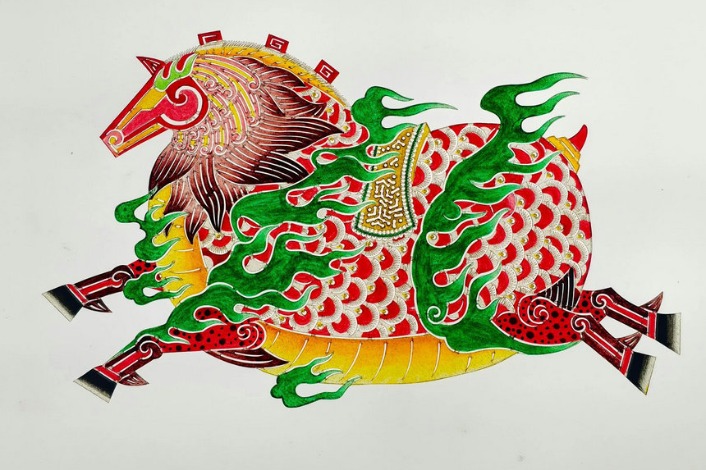
Inner Mongolian Plateau









The Inner Mongolian Plateau, the second-largest plateau in China, is known for its vast and flat landscape. This region features ancient structures like the Great Wall from the Qin (221-206 BC) and Han (206 BC- 220 AD) dynasties, the Great Wall of the Six Frontier Towns erected during the Northern Wei Dynasty (386-534), and the Tang Dynasty's "Shouxiang City" fortresses, which are critical military defense cities in the Hetao region. Furthermore, the Jin Dynasty's (1115-1234) Great Wall predominantly traverses the Hulunbuir and Xilingol grasslands.

The Great Wall in the Juyan Lake area erected during the Han Dynasty (206 BC- 220 AD): Situated north of the Mu Us Desert and the Tengger Desert, this region was rich in water and grass resources, coupled with a favorable climate, making it highly suitable for agricultural cultivation. Consequently, it became a region of significant protection and development during the Han Dynasty. Recognizing the strategic importance of the Hexi Corridor, Emperor Wu of Han commanded the construction of the Great Wall segment from Zhangye to Juyan Lake in 102 BC. A force of 180,000 soldiers was dispatched to the northern territories of Jiuquan and Zhangye to safeguard the corridor. Furthermore, the Han Dynasty continued the westward expansion of the Great Wall, stretching its reach to Yanze, now recognized as Lop Nur in Xinjiang. The Han Great Wall in this area was not merely a defensive line but was also equipped with early warning systems, including beacon towers and watchtowers, which were used for border surveillance and military protection.
The discovery of the Juyan Han Great Wall has a fascinating backstory steeped in legend. In 1930, Swedish archaeologist Warlock Bergman embarked on an archaeological expedition to Ejina Banner in Inner Mongolia’s Alxa League as part of the Northwest Scientific Expedition. During his explorations, he stumbled upon the ruins of a courtyard wall beneath a heavily weathered hilltop beacon tower, along with some abandoned houses. While meticulously measuring this rectangular wall, Bergman accidentally dropped his pen. As he bent down to pick it up, he made an astonishing find: a remarkably well-preserved Han Dynasty coin lying right next to his pen. He also found another coin with the character "wuzhu" inscribed on it, along with a bronze arrowhead. This fortunate accident, triggered by a simple pen slip, gradually revealed the mysterious secrets of the Juyan Han Great Wall, providing invaluable evidence for the study of the Han Dynasty's border defense system.
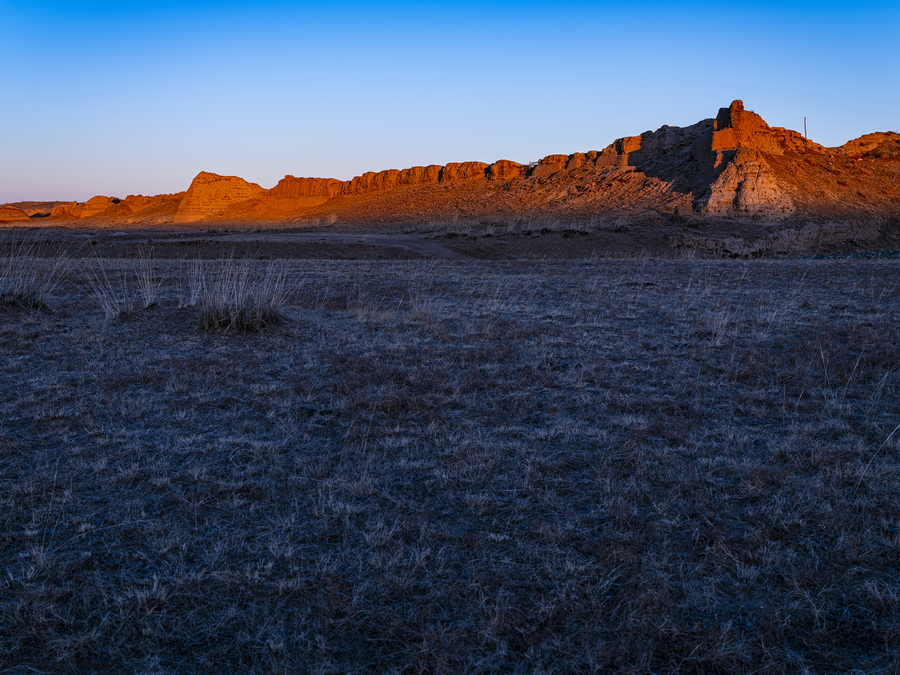
The "Shouxiang City" fortresses in the Tang Dynasty (618-907): Although the Tang Dynasty didn't construct the Great Wall on the same large scale as the Qin and Han dynasties, it did build numerous military defense facilities along the northern border and stationed troops there. To defend against Turkish invasions, the Tang Dynasty established the Shuofang Army near the existing Qin and Han Great Wall. The Tang Dynasty built three key military fortresses known as "Shouxiang City" along the Qin and Han Great Wall. These fortresses became the core of the Tang Dynasty's northern defense system, around which a robust defense network was constructed.
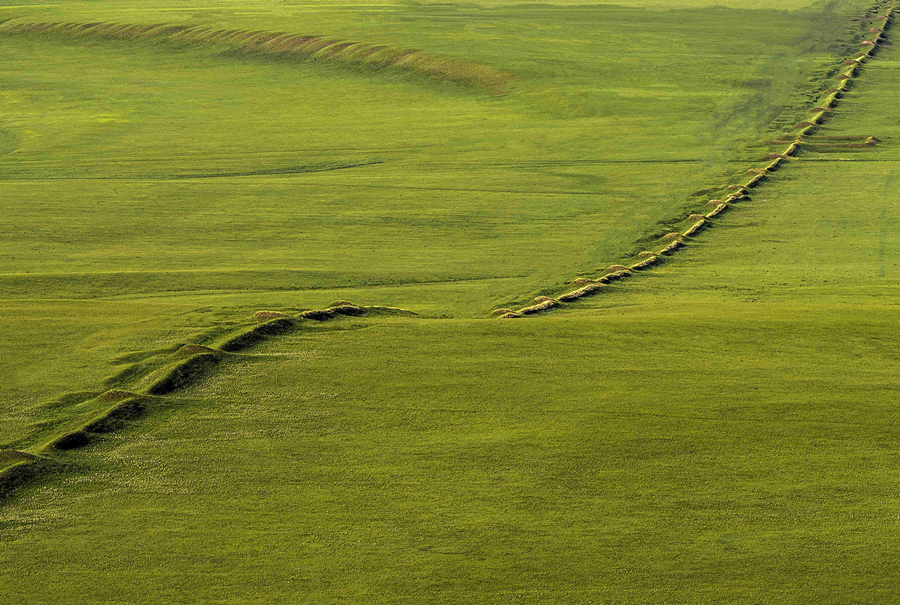
The Great Wall of Jin Dynasty (1115-1234): During the latter part of Emperor Zhangzong's reign in the Jin Dynasty, border security began to deteriorate as various Mongol tribes gradually united. Compared to the increasingly powerful Mongol tribes, the Jin Dynasty's military strength waned, making it a primary target for Mongol attacks. In 1206, Genghis Khan unified the Mongol tribes and established the Mongol Empire, posing a serious threat to the northern border of the Jin Dynasty. In response to these Mongol attacks, the Jin Dynasty began large-scale construction of the Great Wall. The section built in the Lingbei area served as a defensive line against Mongol cavalry raids. In Inner Mongolia, this part of the Jin Dynasty's Great Wall became known locally as the "Genghis Khan Border Wall."