FOCAC Summit to bring the next frontier closer










JIN DING/CHINA DAILY
The ongoing 2024 Summit of the Forum on China-Africa Cooperation is expected to elevate Sino-African engagement and cooperation to a higher level, as it is likely to suggest ways to overcome the challenges facing the world and outline the measures needed to consolidate the gains already made by the two sides.
The third plenary session of the 20th Central Committee of the Communist Party of China, held in July, resolved to comprehensively deepen reform and promote high-level opening-up, thereby creating new opportunities for Africa and the rest of the world to share the fruits of China's development.
The robust cooperation between China and Africa, especially after the first China-Africa Economic and Trade Expo was held in Hunan province in 2018, has provided African countries greater access to the Chinese market. Trade between the two sides in 2023 reached $282.1 billion, up 11 percent year-on-year, and Chinese investment in Africa has increased to $40 billion.
Apart from trade and investment, the summit will also give the African leaders an opportunity to discuss with their Chinese counterparts ways to eradicate poverty, because China achieved the monumental task of eradicating extreme poverty in 2020.
As expected, African countries are upbeat about their engagement with Chinese leaders during the summit in Beijing. Nigerian President Bola Tinubu, while receiving Chinese vice-foreign minister in Nigeria recently, said that he commends what China is doing in Africa as China helps with capital mobilization for projects that positively impact the lives and livelihoods of our people in Africa.
As a veritable mechanism for Africa-China engagement, the FOCAC has been credited with both being a platform for dialogue and consultation, as well as for enabling practical and tangible outcomes for African countries.
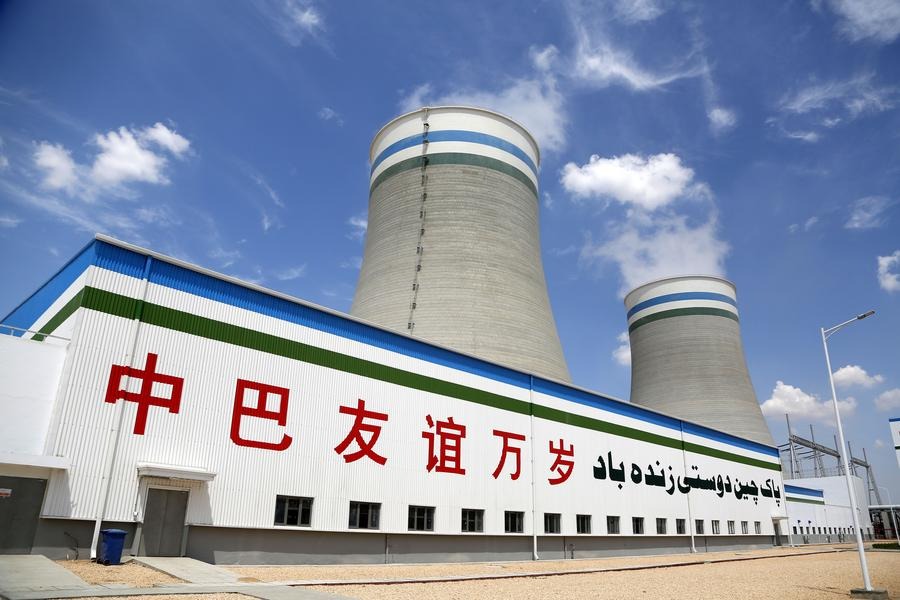
From infrastructure construction, trade and investment to vigorous cultural and educational exchanges, the FOCAC has helped meet the needs of African countries, and ameliorate the historical infrastructure and connectivity deficits on the continent. The second and third FOCAC summits held in Johannesburg and Beijing in 2015 and 2018, respectively, were game-changers for China-Africa cooperation. The two summits outlined critical and targeted areas of cooperation, including infrastructure construction, industrialization, agricultural modernization, healthcare, capacity building, and cultural and educational exchanges, and have contributed immensely to the economic recoveries of African countries, and promoted regional trade under the framework of the African Continental Free Trade Area.
The FOCAC mechanism has become Africa's most impactful platform for global cooperation through extensive consultations and widening engagements, while consolidating China-Africa cooperation and advancing the construction of a Sino-African community with a shared future.
From Beijing, Africa is likely to get practical inputs, along with promises of more investments, increasing trade and infrastructure construction, which will not only cushion the side effects of economic reform across the continent, but also provide critical support that makes tough economic reform a worthwhile endeavor both in the short and long terms.
Thanks to reform and opening-up, China has performed an economic miracle, becoming the second-largest economy in the world, eradicating extreme poverty and building a moderately prosperous society in all respects. China's economic journey has been fascinating and its development model perhaps the most successful. But by blindly copying China's development model, African countries cannot achieve much, because the ground realities and the economic and political systems of China and African countries are very different.
Africa-China cooperation has come a long way, but at this historical inflection point, where China needs to strengthen South-South cooperation as a bulwark against the US-led West's China-containment policy, Africa and China need to recalibrate their cooperation mechanisms to ensure they go beyond the normal exchanges.
The challenges created by the increasing global uncertainties mean traditional partners such as Africa and China have to be creative, for they need to not only sustain the momentum of their relationship but also inject a new vitality into their partnership, which can turn the existing opportunities into concrete and tangible outcomes.
The FOCAC summits and other meetings have outlined cooperation issues and accompanying funding support, while African countries have to rise above the summit's glitz to devise a road map for following up the decisions made at the summit. The situation across Africa is too dire for African leaders and officials to be contented with the photo-ops and handshakes that are a part of summits. They have to act, and act now.
China's spectacular economic rise can be attributed to its immaculate planning, robust implementation, methodical follow-ups, and mutually beneficial engagement with other countries. Therefore, African countries have to abandon their casual approach to follow-ups, lackadaisical implementation of economic plans and, instead, follow through development projects and turn economic potential into real gains if they want to emulate China in terms of economic development.
Of course, the ongoing summit will provide the answers to the pressing question of how to achieve sustainable development, maintain global peace, and foster mutually beneficial partnerships, but unless the African countries take practical remedial actions, they cannot overcome the challenges and realize prosperity.
And the FOCAC Summit is widely expected to push for the reform of the global governance system to build a fairer and just world order which adheres to the principle that the world as a whole is a community with a shared future.
The author is research director of the Center for China Studies of Nigeria, an Abuja-based think tank.
The views don't necessarily represent those of China Daily.