Raise 'cranes of cooperation' to develop common ground










When I recently visited Shenzhen of Guangdong province with a Berlin Global Dialogue delegation, many of my colleagues found it hard to believe that 40 years ago, this sprawling metropolis had just a little more than 300,000 residents. To me, few places embody the rise of China as much as Shenzhen, which has transformed from a remote fishing village into a global technology hub in only a few decades.
Since the late 1970s, China has lifted more than 800 million people out of poverty — an accomplishment that has not only benefited the country itself, but also can contribute to the economic development of many other regions, provided China uses its increased influence benevolently, and adheres to common international rules.
The past years have seen a worrying rise in tensions between China and the West driven by fear and restrictive economic policy against one another. Particularly in the context of security policy and geostrategic priorities, the rifts between the West and China are becoming wider — a development I view with great concern.
In the Western world, those who engage with China are becoming increasingly divided into two groups: China doves, who are considered to have an overly friendly and perhaps ingenuous attitude, and China hawks, who are committed to "being tough" and prepared to "fight back". Both approaches oversimplify the intricacies of our complex and often interdependent relationship.
When I picture the relationship between China and the West, a very different bird comes to mind: the crane, which has long symbolized wisdom in both cultures. I strongly believe that a stable relationship between China and the West based on international rules is key to ensuring our collective peace and prosperity.
So how can we raise "cranes of cooperation" despite our many differences? I believe doing so requires cultivating a new approach to dialogue:
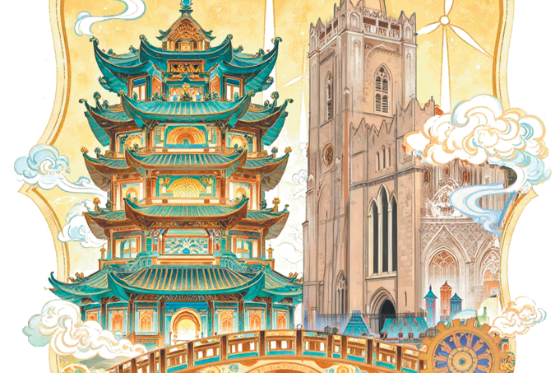
First, we must deepen our understanding of each other's economic, political, and social circumstances. This needs to include a knowledge of and an appreciation for each other's history and culture to better understand current political and economic developments. It also means creating an equal playing field for all actors involved.
Second, we need to expand existing political platforms, such as the G20, so they better reflects and addresses the realities of today's multipolar world. Including the African Union in the G20 was an important step in the right direction. In the long run, however, we need to reform institutions of global governance, such as the World Bank and the International Monetary Fund, which requires both appropriate financing and fair representation.
In short, China and the West need to work together to maintain a global governance system rather than creating separate and fragmented institutions.
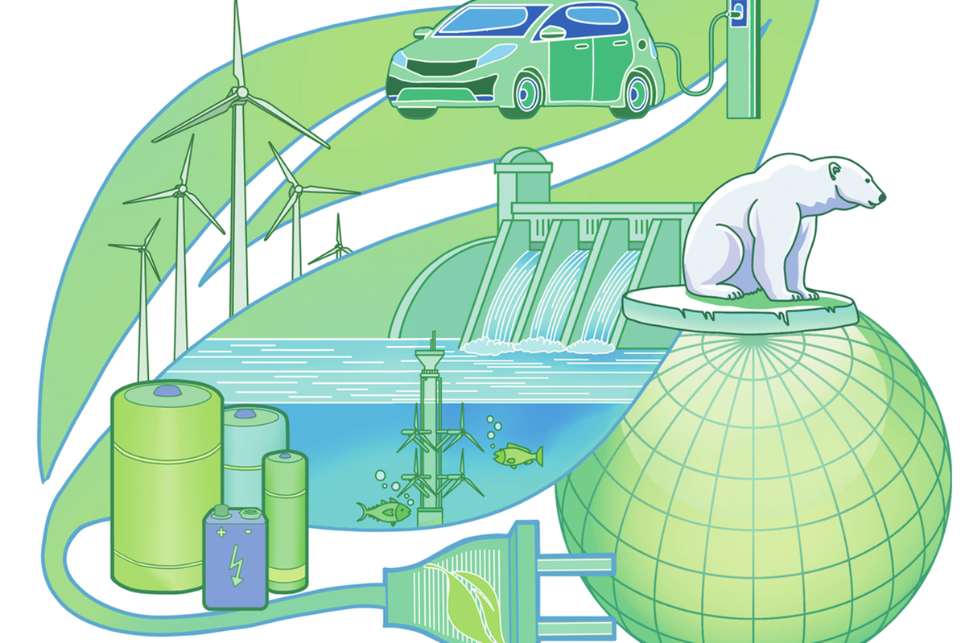
Third, we need to create new forums for political and economic dialogue that allow for informal conversations between the East and the West at all levels and at the eye level. We need to build common ground, focusing on areas where cooperation is possible — even between competitors or adversaries — such as implementing effective solutions in the fight against climate change.
A famous proponent of dialogue is Chinese philosopher Laozi, who is often depicted with cranes in paintings and on statues. He once said: "If you do not change direction, you may end up where you are heading." More than 2,000 years later, his words ring truer than ever. China and the West both have the responsibility to ensure that we are heading toward dialogue, not a collision course.
The author is the founder and chair of Berlin Global Dialogue, an annual event launched in 2023 that aims to facilitate dialogues between global political and business leaders, a professor of economics at ESMT Berlin, and served as chief economic adviser to former German chancellor Angela Merkel, and G7 and G20 Sherpa. The views don't necessarily reflect those of China Daily.
If you have a specific expertise, or would like to share your thought about our stories, then send us your writings at opinion@chinadaily.com.cn, and comment@chinadaily.com.cn.