



Constructive trade stance in long-term interest of Canada









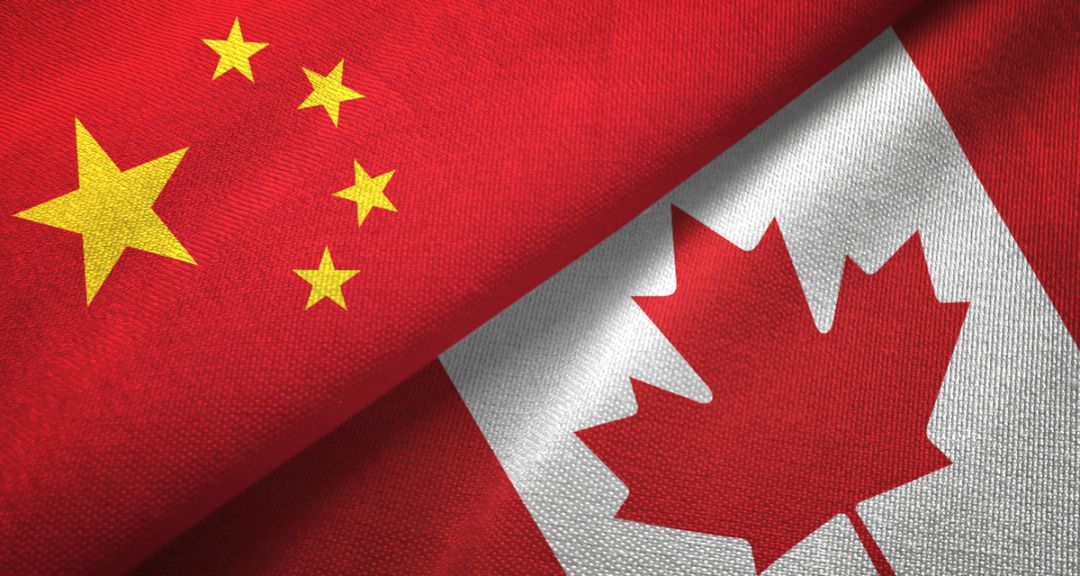
Canada's decision to impose new tariffs on Chinese imports is a step in the wrong direction.
Last October, Canada imposed a 100 percent tariff on Chinese electric vehicles and a 25 percent tariff on aluminum and steel products, to which China responded this month with a 100 percent tariff on Canadian agricultural products such as canola oil and peas.
Instead of fostering economic growth and stability, the protectionist measures risk disrupting supply chains, driving up costs for businesses and consumers, and triggering a damaging cycle of retaliation. By imposing higher costs on industrial materials, consumer goods and agricultural exports, the measures create inefficiencies that ripple through the entire economy.
Canadian businesses that rely on Chinese imports — which amounted to around $45 billion in 2023 — will face increased production costs that will ultimately be passed on to consumers. At the same time, China's tariffs on Canadian agricultural products will hurt farmers and exporters that depend on global markets.
Unlike the United States, which has a much larger economy to absorb trade shocks, Canada is highly dependent on open markets. Trade barriers could disrupt the country's ability to compete internationally and threaten key industries that rely on global supply chains.
Aligning with US trade policy at the expense of a more independent, open approach could leave Canada in a precarious position, limiting its ability to negotiate favorable agreements and diversify its economic partnerships. The US may be pushing Canada toward tariffs, but it does not seem poised to help it deal with any negative consequences.
Protectionist policies often aim to shield domestic industries from foreign competition, but they generally backfire.
Higher tariffs lead to increased costs of raw materials and intermediate goods, and this leads to higher production expenses for Canadian manufacturers. Small and medium-sized enterprises are hit especially hard because they do not have the financial resources of larger corporations.
Moreover, tariffs invite retaliation.
This escalating dynamic is already at play. China's response to Canada's tariff measures targets key exports, particularly in agriculture.
Canadian farmers and agribusinesses, which rely heavily on international trade, now face a slew of new challenges.
For commodities such as canola, wheat and pork, losing access to the Chinese market means struggling to find alternative buyers — often at lower prices. The long-term impact of these trade disruptions could be devastating for Canada's agricultural sector, an industry that has long been a pillar of the country's economy.
In the face of escalating trade tensions with the US, Canada would be better served by easier access to the large China market.
Rather than escalating trade conflicts, Canada should be positioning itself as a leader in global trade cooperation by pursuing more free trade agreements and strengthening economic ties with as many partners as possible. This approach would allow Canada to secure a stronger and more sustainable economic future.
Canada has benefited immensely in the past from open trade policies.
Agreements such as the Comprehensive and Progressive Agreement for Trans-Pacific Partnership and the Canada-European Union Comprehensive Economic and Trade Agreement have expanded access to new markets and created opportunities for Canadian businesses. Before it was derailed, the Canada-United States-Mexico Agreement — the latest iteration of the North American Free Trade Agreement — was one of the most successful trade blocks in history.
Canada should take a similar approach with China and other economies, big and small. Engaging in constructive trade negotiations rather than escalating tariff battles will provide long-term benefits for Canadian industries and consumers.
The federal government must also recognize that trade policy should not be dictated solely by geopolitical pressures.
While Canada's relationship with the US is critical, aligning too closely with Washington's trade strategies without considering domestic economic interests could limit the country's ability to chart its own course.
As Canada approaches a new political cycle with the appointment of a caretaker prime minister, Mark Carney, to replace Justin Trudeau, and the certainty of new elections over the next few months, trade policy is increasingly important.
The election of a new prime minister could provide an opportunity to shift the country's approach to trade toward a more pragmatic and forward-looking direction. Leaders must recognize that protectionism is not the answer to economic challenges — cooperation and strategic diplomacy are.
Trade is a fundamental driver of economic growth, innovation and prosperity. Canada's economy is, at its core, resource-driven. As such, it depends on an open, rules-based trading system that fosters cooperation rather than division.
If Canada hopes to maintain its competitive edge in the global economy, it must reject protectionist impulses — or demands — and reaffirm its commitment to free trade.
By embracing open markets, reducing trade barriers and engaging in constructive negotiations with key partners, Canada can secure long-term economic stability and growth. Now more than ever, the country needs a trade policy that is rooted in pragmatism and a commitment to free trade, rather than reactionary tariffs that only serve to hurt businesses and consumers alike.
The author is managing director of Bahati, an editorial services agency in Hong Kong and Canada.










