



Collective misjudgments not collective insights









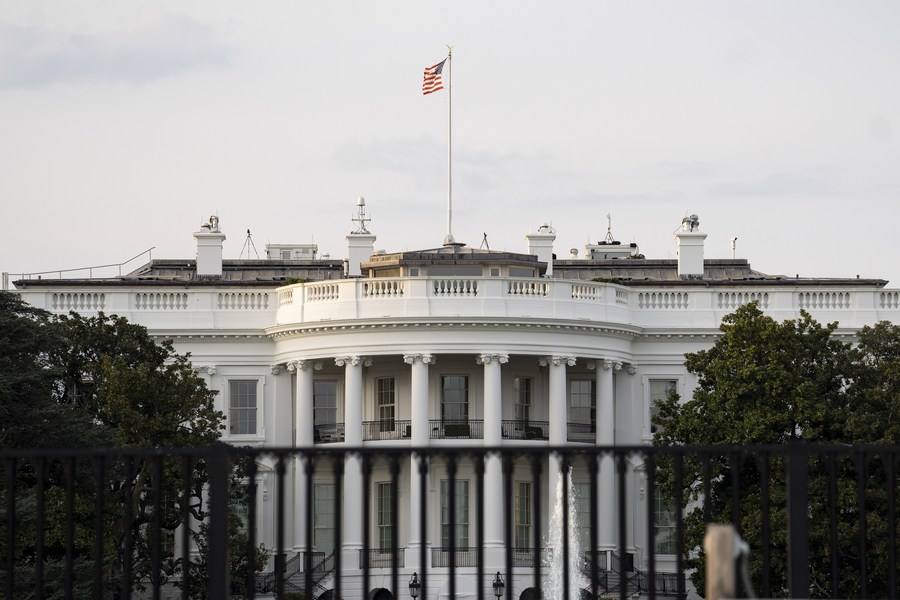
A main hindrance to repairing the Sino-US relations is that some in Washington stubbornly regard China as the United States' archrival.
The latest evidence is the release of this year's annual US intelligence report on Tuesday, which claims that "China presents the most comprehensive and robust military threat to US national security".
Beijing applying "coercive pressure "against the Taiwan separatists and "wide-ranging cyber operations against US targets" are indications of the country's growing threat to US national security, claims the Annual Threat Assessment by the intelligence community, which supposedly provides an overview of the collective insights of top US intelligence agencies about the security threats to the US.
It is ridiculous that the report uses the Taiwan question as an example to support its "China threat" claim, since Taiwan is part of China, and the Taiwan question is China's internal affair. It is the US playing the "Taiwan card" that poses a grave threat to China's national security, by seeking to undermine its sovereignty and territorial integrity.
Likewise, when it comes to cyberattacks and information espionage, it is, as the world sees clearly, the US intelligence agencies that are threats to the national security of other countries. It is well documented what the US intelligence agencies have been doing, overtly and covertly, to take advantage of the country's dominance in the internet and information technology to wage cyberattacks and snoop on other countries, including US allies, and even the US people, under the excuse of protecting the US' "national security".
While the US is trying to make cyberspace another arena for major power struggle, China is doing the opposite in advocating the building of a cyber community with a shared future for mankind, in which cyberspace is a realm for cooperation, mutual learning and mutual assistance.
A major victim of US-sourced cyberattacks, China actively promotes fair and just global governance in cyberspace, and helps the less-developed countries to overcome the digital gap by helping them enhance internet accessibility and develop their internet economy.
What the US report provides is not "collective insights" of the US intelligence community but its collective misjudgments that are intended to mislead US society and decision-makers in their China perception.
Fundamentally, it is China's fast development these years, along a different path from that of the West, and the momentum it has demonstrated to become the world's largest economy in the foreseeable future that have triggered some US politicians to take a confrontational stance toward China. They take it for granted the US should have undisputed dominion over the world.
After World War II, apart from defeating the Soviet Union in the early 1990s through the Cold War, the US also took organized and systemic measures in the 1980s to prevent Japan from even nearing the US in terms of economic size, financial prowess and high technology. Now it is China's turn to feel the heat.
But the world today is different from 40 years ago. Not to mention China being a major world trading hub, market, manufacturing base and investment destination means it plays a key role in effect in helping the US sustain its growth.
The reason why the US cannot use exactly the same playbook with China as it did with either the Soviet Union or Japan is it has much closer and broader connections with China. As well as the fact that the resolution of most common global challenges today entails China's support and cooperation.
Any attempt of the US to sever ties with China will backfire as the move is against the trend of the times, market law, the will of the two peoples and the common interests of the world. That explains why the world stock markets always fall at signs of strained relations between the two largest economies.
By hyping up a "China threat", the US intelligence agencies no doubt hope to swell their budgets, as is the case for the US military. But by spending federal funding copying playbooks of the last century and peddling them as up-to-date manuals for how to "make America great again" today, the US intelligence agencies may be setting themselves up as another target of the DOGE ombudsmen, after that body digs out all those who would be over 300-year-old receiving pensions.





