



Winners and losers of a controversial US bill









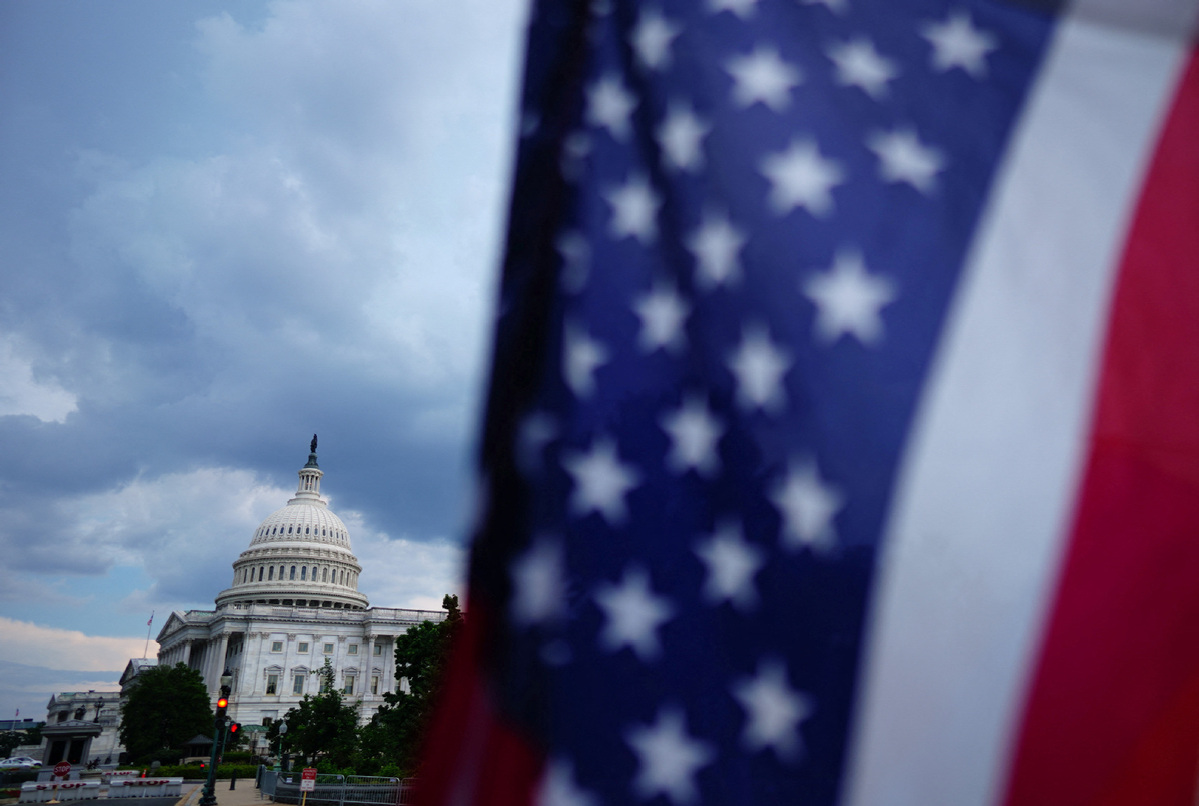
US President Donald Trump's sweeping tax-and-spending proposal, commonly known as the "Big Beautiful Bill", was awaiting a vote on Wednesday in the House of Representatives after its passage by the narrowest of margins the day before in the Senate.
The House, which narrowly passed the bill last month, now needs to approve the Senate's changes to the bill before it can head to Trump's desk for his signature prior to the July 4 deadline.
The final showdown over the key legislation — which is expected to bring massive changes to taxes, federal spending and regulatory policies — comes following weeks of intense infighting within the Republicans and strong opposition from the Democrats and some business leaders such as Tesla CEO Elon Musk. House Democratic leader Hakeem Jeffries said on Wednesday that every single Democrat will "vote hell no" against the policy package, which he called "one big ugly bill".
One big controversy surrounding the package is that it contains $4.5 trillion in tax cuts that would allow the country's richest to get the largest share, yet to make up for the lost revenue, federal funding on healthcare and food aid programs for the poor would be reduced by more than $1.3 trillion in the coming decade. This has prompted critics to question the erratic logic for wealth redistribution, which basically means taking from the country's poorest to give to the richest.
Some estimates put the total number of recipients set to lose their health insurance at 17 million, while scores of rural hospitals are expected to close. Meanwhile, changes to federal nutrition assistance are set to strip millions of the poorest Americans of their access to food. Which partly explains why the bill is highly unpopular among US citizens. A survey by The Washington Post found that 42 percent of Americans opposed the bill, with only 23 percent supporting it.
That the controversial bill is being rammed through Congress despite strong opposition underscores the polarization between the Republican and Democratic parties, which makes bipartisan compromise totally impossible. This has also contributed to widespread disillusion among US citizens about the country's ability to address the most pressing challenges that it faces nowadays in a timely way, given that under such a system the interests of the donors to a political party can often precede the interests of the nation and the majority of citizens who lack the wherewithal to promote their interests.
One thing about the bill that seems to have upset opponents such as Musk the most is that its regulatory changes, rather than trying to embrace industries of the future, instead seek to promote industries of the past. The "Big Beautiful Bill" will dramatically roll back tax incentives designed to boost the electric vehicle industry and clean energy projects fueled by renewable sources such as wind and solar, while seeking to enhance domestic coal, oil and gas development.
While this conforms to Trump's belief that clean energy tax credits are part of a "green new scam "that only helps the "globalist climate agenda", it obviously runs counter to the long-term interests of not only the US but also the world. These changes could kill jobs in future-focused industries and stifle innovation, as Musk observed, calling the legislation "utterly insane and destructive".
Moreover, the legislation would increase federal deficits by nearly $3.3 trillion over the next decade, exacerbating a problem that could cause greater economic risks and aggravate the country's financial woes. The US government for the first time spent more than $1 trillion last year on interest payments for its nearly $36 trillion national debt, which means the country is now spending more on net interest payments than on national defense and Medicare. The deficit-to-GDP ratio also worsened to 6.3 percent last year, much higher than the 3 percent that is considered "sustainable".
The skyrocketing interest costs have been attributed to Washington's "insatiable appetite for borrowing and spending". It is estimated that interest costs will consume more than 20 percent of the nation's revenue by 2034.
Before taking office, Trump promised to "restore fiscal sanity to our nation". The "Big Beautiful Bill" belies that pledge.





