



Artisans capitalize on China's legacy cultural capital









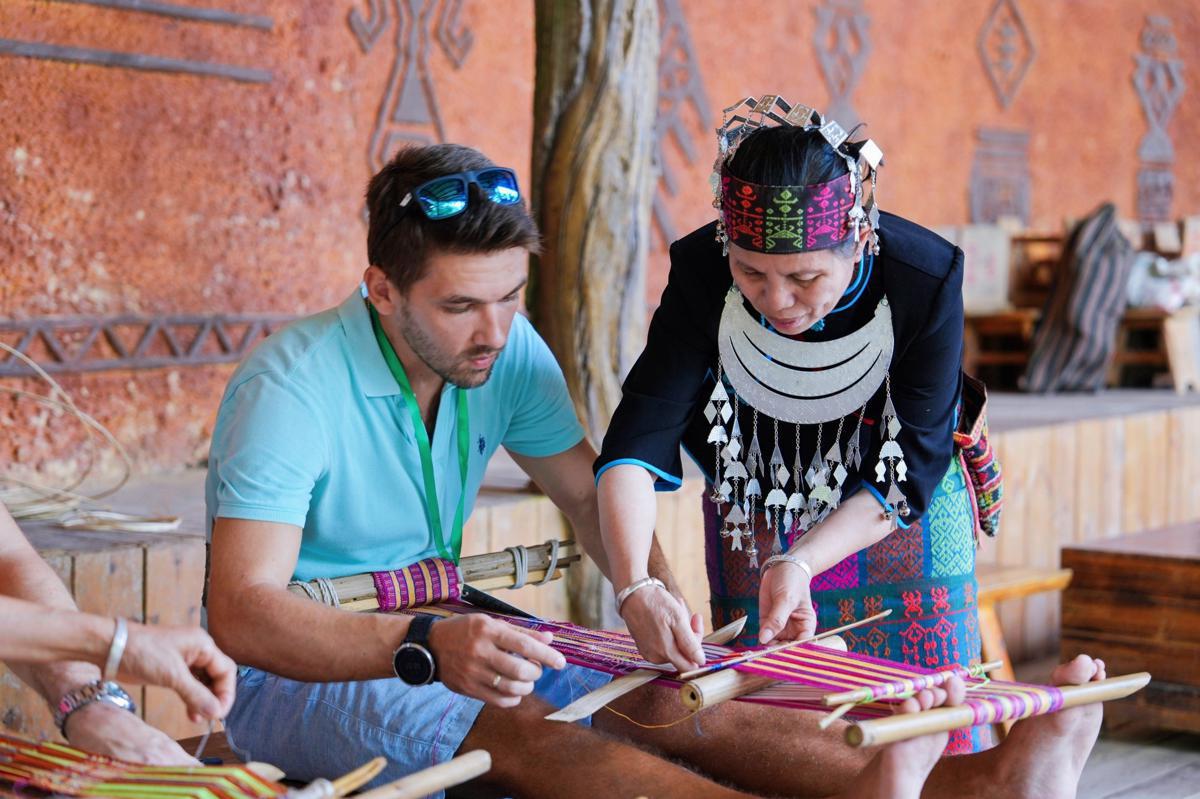
Traditional Chinese craftsmanship such as embroidery, ceramics and lacquerware, valued highly around the world, has been spreading Chinese culture globally for centuries. The rapid advancement of digital technology has now led to a surge in the appreciation and use of ancient Chinese arts and crafts worldwide, especially in modern fashion design.
The explosive growth of Chinese e-commerce platforms such as JD.com, Alibaba, Taobao and Etsy has facilitated the global expansion of traditional Chinese arts and crafts including ceramics, silk and Chinese embroidery. Etsy, in particular, focuses more on the promotion and sale of traditional handicrafts and vintage pieces. Founded in 2005, Etsy is a platform committed to promoting traditional Chinese arts and crafts globally.
Examples of online global expansion of traditional Chinese arts and crafts abound. Jingdezhen-based porcelain enterprises and London-based Yi Crafts deserve special mention in this regard. Jingdezhen, in Jiangxi province, is known as the "ceramics city" of China.
Jingdezhen has long defined Chinese ceramics. Today, with the help of digital technology, Jingdezhen artisans are finding success both domestically and overseas. For example, AI technology has enabled them to supply their products across the world.
Artisans in Jingdezhen are also using AI to customize and optimize the production and distribution of porcelain, designed to appeal to consumers' taste in Europe and North America.
Jingdezhen artisan Gong Hua is known for his expertise in blue and white porcelain in Ming Dynasty-style, which is popular internationally. Gong has built his own kiln, the "Gong Hua Kiln", in order to popularize the traditional art of ceramic-making while embracing modern technology and aesthetics to cater to overseas markets.
In addition to the plethora of China-based artisans exporting their products to foreign destinations, there are also an increasing number of overseas-based artisans working on porcelain. For example, Yi Crafts was founded by artisan Yiran Duan in London and is dedicated to preserving and popularizing traditional Chinese arts and crafts worldwide. Duan, originally from Dali in Yunnan province, is a member of the Bai ethnic minority group and offers a diverse range of traditional Chinese handicrafts with special focus on handicrafts made by Chinese ethnic minority groups.
Many of the offerings of Yi Crafts have modern design. Also, Italian luxury fashion brand Marni has blended, quite beautifully, aspects of the Miao ethnic minority group's traditional embroidery in some of its products.
Jiang Qiong Er is another representative artisan/artist of traditional Chinese arts and crafts. Jiang, a renowned Chinese designer and former art director and CEO of Shang Xia, a luxury brand backed by Hermes, focuses on contemporary takes on traditional Chinese crafts and aesthetics, resonating with overseas luxury goods consumers.
This growing presence of traditional Chinese arts and crafts companies in overseas markets should not come as a surprise. Chinese history and heritage have long been admired by connoisseurs the world over. Increasing appreciation of and participation in Chinese festivals have led to the growing demand for China's rich intangible cultural heritage events and products. No wonder Chinese New Year and some other festivals are celebrated around the world today.
Fuelling this global demand for traditional Chinese arts and crafts is perhaps the younger generation. In particular, Gen Z is increasingly asserting its self-identity through consumption, including consumption of fashion brands, because the works of Chinese artisans meet Gen Z's requirements. This, therefore, is not a short-term but a growing global trend.
However, over time, artisans must adjust their designs, colors and even products — using digital technology if need be — to maintain their appeal and preserve and promote traditional Chinese arts and crafts and aesthetics.
Chinese artisans, their highly skilled, intricate works, and traditional Chinese culture have become key elements of building a range of global brands, especially global fashion brands.
As I continue my research, working closely with Chinese artisans to support the preservation of these traditional practices, it becomes clear that China's deep cultural roots and its craftsmanship are integral to the global narrative of cultural exchange and creativity.
The author is a senior teaching fellow at the University of Southampton.
The views don't necessarily represent those of China Daily.
If you have a specific expertise, or would like to share your thought about our stories, then send us your writings at opinion@chinadaily.com.cn, and comment@chinadaily.com.cn.





