Games for the disabled boost accessibility, innovation in GBA
'Zero-barrier competition zone' provides a model for the nation









The recently concluded 12th National Games for Persons with Disabilities and the 9th National Special Olympic Games are expected to accelerate improvements in accessibility infrastructure and assistive technology across the region, benefiting people with disabilities, officials said.
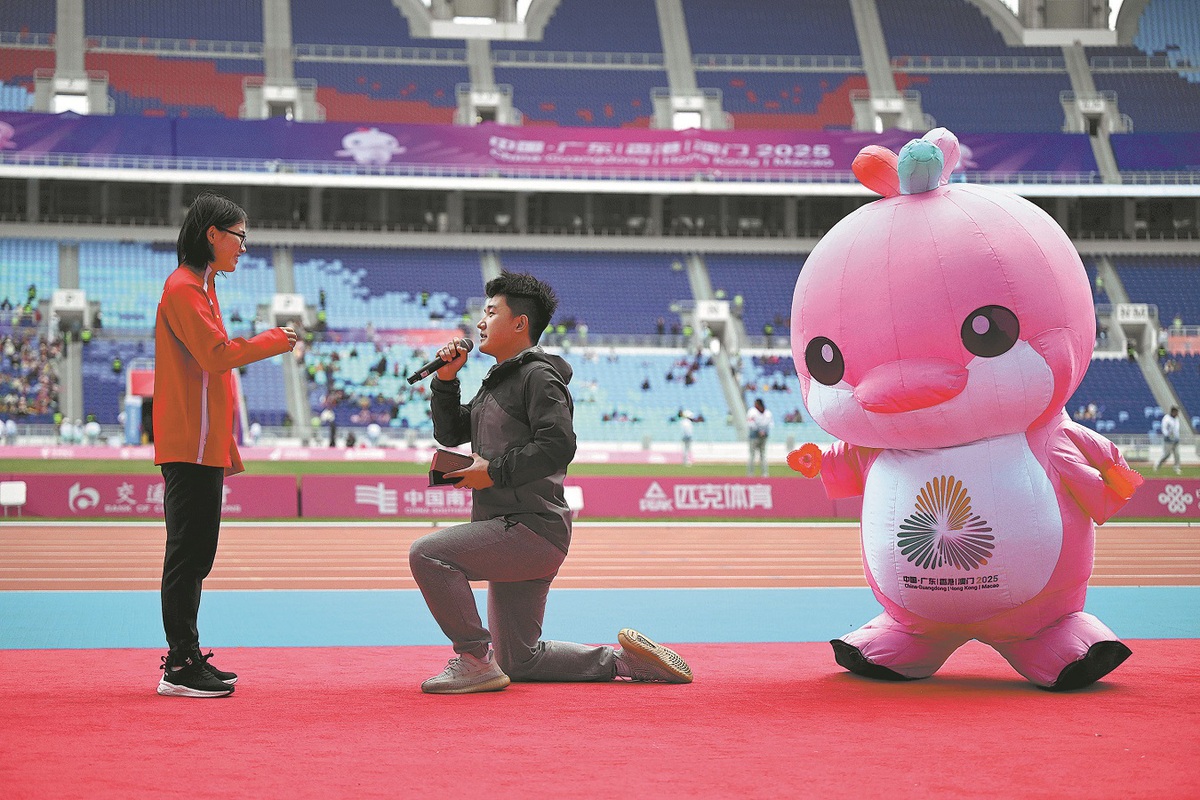
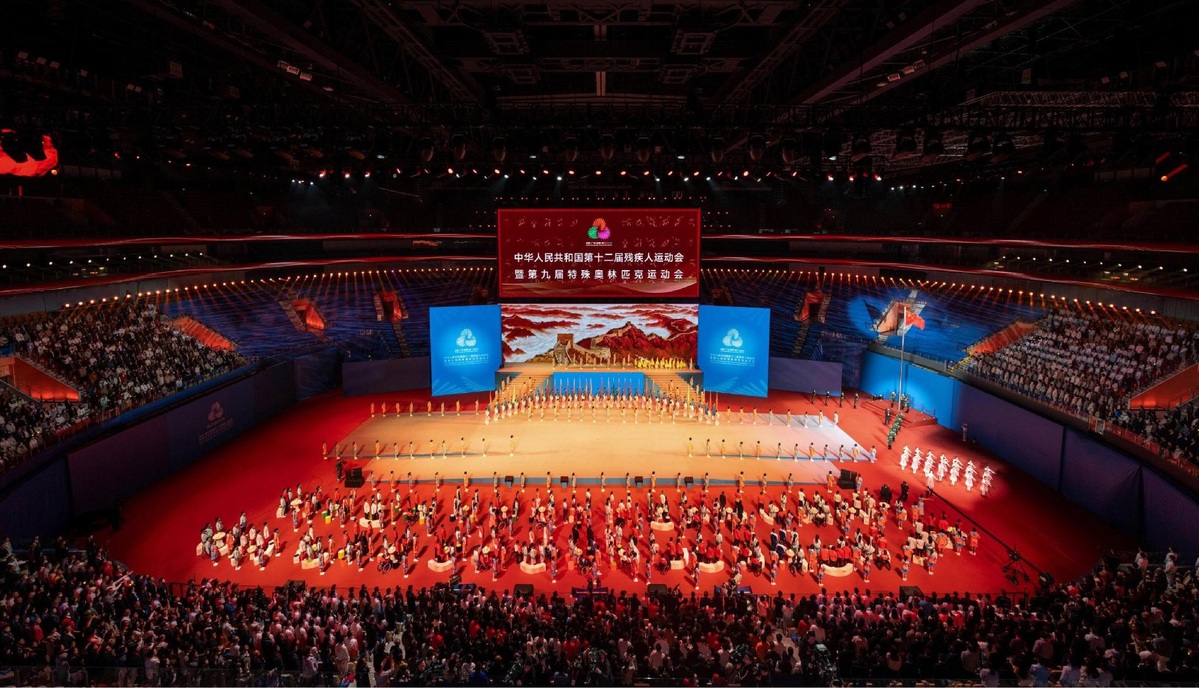
The games, co-hosted by Guangdong province and the Hong Kong and Macao special administrative regions, ended with a closing ceremony at Shenzhen Sports Center on Monday night after eight days of competition. The ceremony, simple yet evocative, highlighted the spirit of inclusion between people with and without disabilities.
According to the organizing committee, athletes from across the country set more than 15 world records and 156 national records in events that included athletics, swimming, shooting, weightlifting and track cycling.
"By improving venue accessibility and optimizing the overall environment, we have turned the Guangdong-Hong Kong-Macao Greater Bay Area into a 'zero-barrier competition zone' welcoming people of all ages and abilities," said Chang Zheng, deputy director of the organizing committee, at a news conference on Monday afternoon. "It provides a model for the nation."
During the games, nine host cities upgraded 462 accessible restrooms and 2,398 accessible seating areas, and carried out 1,160 urban quality enhancement projects. Seven airports, 25 high-speed rail stations and multiple roads and public transport facilities also underwent minor renovations, ensuring athletes experienced what officials described as an "obstacle-free" journey.
"The seamless ramps and extensive tactile paving not only supported athletes during competition but will continue to serve the public, leaving a lasting and positive imprint on the cities," said Chen Xuejun, deputy director of the executive committee for the Guangdong division of the games.
Chen said the events introduced the country's first integrated service platform, which provided information on venue accessibility, assistance services, navigation for the visually impaired, sign language interpretation, and maintenance and rental of assistive devices.
With features such as remote video assistance and instant call response, the platform modernized traditional assistive services, delivering support with an average wait time of 45 seconds, he said.
Technological innovation was another highlight, with most of the new assistive devices developed in the Greater Bay Area, Chen added.
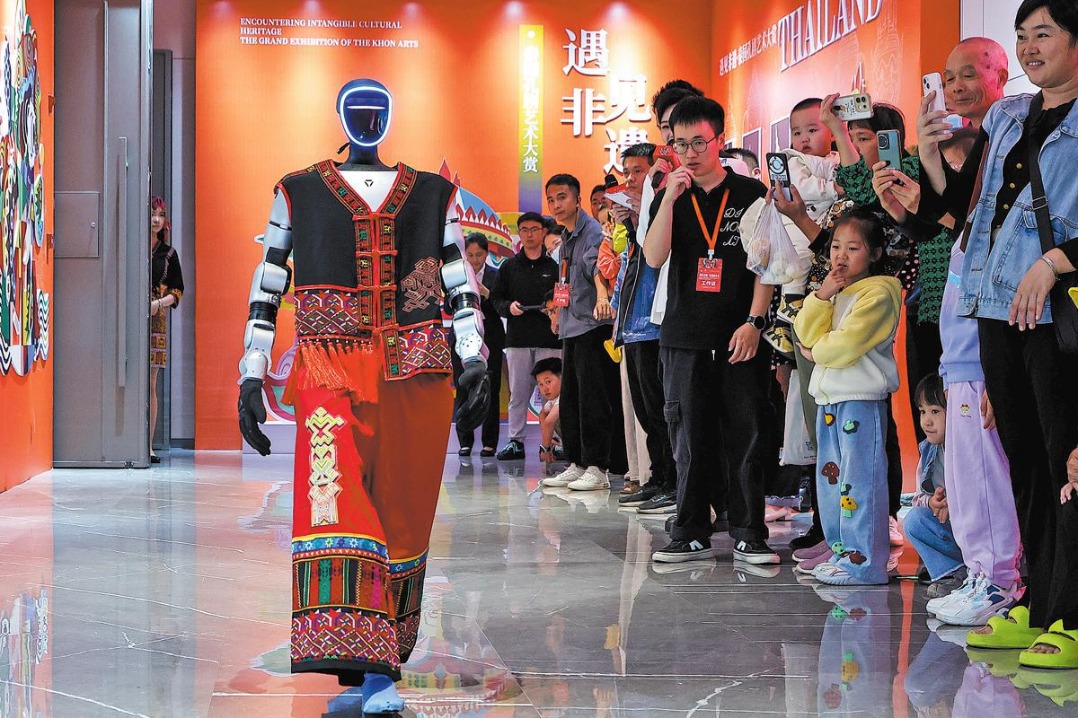
For spectators, a six-legged guide robot offered intelligent, all-weather navigation and obstacle-avoidance services for visually impaired attendees.
Artificial intelligence-powered glasses for people with visual impairments helped users interpret visual information, while augmented reality glasses enabled people with hearing impairment to "see" sounds.
Smart stair-climbing electric wheelchairs and lower-limb exoskeleton rehabilitation robots helped people with physical disabilities move more freely.
For participants, brain-controlled wheelchairs used headbands to collect signals such as brain waves, eye movements and head movements, allowing virtual cursor control and assisting athletes with physical disabilities in navigating hotels.
AI-powered psychological robots, using dialogue, empathy and emotion-recognition technologies, provided psychological counseling and assessments for athletes before and after competitions.
A technology-assisted disability expo was also held during the games, showcasing rehabilitation aids, accessibility equipment and rehabilitation robots.



- Stealth drone's trial lands desired results
- China grants first Level-3 autonomous driving vehicle permits
- AI-led model aids cultural relic restoration and boosts tourism
- China's top legislature schedules session for December
- Tianjin student relays China's rural vitalization efforts at food forum
- Xinjiang's power transmission hits 1-trillion-kWh milestone