Food as medicine
Beijing

Few would like the idea of adding medicine to food, but for the Chinese, sometimes food is medicine, and adding natural herbs to dishes may mean the creation of a gourmet dish with healthy benefits.
Some of the ingredients often used this way includes ginger, ginseng and angelica root.
For instance, ginger is often infused in boiling water to create a home cure for mild throat infections or to prevent the onset of a cold after one is caught in heavy rain.
Ginseng is slowly stewed with chicken to replenish energy or qi deficiency. Angelica is a popular tonic herb, often added to a ginger-and-mutton stew to make a warming winter soup.
Such healthful cooking has given rise to a genre of restaurants that specialize in herbal cuisine.
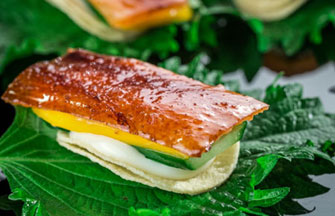
Herbal Cuisine Kitchen is one example, with a whole menu featuring a variety of dishes incorporating healthy herbs, beautifully presented.
Roucongrong, or cistanche, is a parasitic root plant produced in the deserts of Xinjiang and Inner Mongolia. Locals dub it "desert ginseng", and cook it with mutton and beef to strengthen the kidneys, as a natural aphrodisiac for men. Herbal Cuisine Kitchen adds it to lamb tripe, served as a cold appetizer, and also cooks it with seafood in a clay pot.
There is more fungus on the menu, including the celebrated lacy bamboo fungus, slowly braised with turtle skirts and ganoderma. Ganoderma is credited with all sorts of health-giving properties from just good-for-you to anti-carcinogenic.
It is a tonic soup very suitable for the season.
Even beef ribs are given the herbal treatment, cooked with a vegetable mash and papaya to make it really tender. Venison, a more gamey meat, is another energy booster and here, it is braised with aged tangerine peel or chenpi, dried figs and jujubes to achieve a perfectly balanced tonic.
Chef Lee Wang has more than 20 years' culinary experience and confesses he is influenced by his father, a Chinese traditional medicine doctor.
The chef says it is possible to use Chinese herbs in everyday cooking for healthier eating. But he adds that eating must be balanced with exercise and enough rest.
The use of herbs in food has generated some recent controversy. For example, wild ginseng may be a too strong tonic for some, and pregnant women should avoid saffron.
An official regulation limits the number of herbs used in restaurants to 300. Wang says that's way below what's used in Chinese households.
The average bill at Herbal Cuisine Kitchen is 150 yuan a person in the dining area, and 300 yuan in the private rooms. Wang is also executive chef at Green Loulan Muslim Restaurant, which serves both Muslim cuisine and healthy herbal dishes.
You can contact the writer at yejun@chinadaily.com.cn.