Tofu culture in China
Tofu, or literally translated as bean curd, is a food of Chinese origin and known throughout the world. It is made from soy milk, water and a coagulant. The production of tofu from soy milk is similar to that of cheese from milk. It is made by coagulating soy milk, then pressing the resulting curds into blocks.
Tofu is said to originate in the Western Han Dynasty (206BC-AD 24). At the time, Liu An, the grandson of Emperor Liu Bang, was eager to learn the magical art of immortality, so he went deep into the mountain to refine immortal pills. He failed in his efforts to produce immortal elixirs; instead, he created pile of white and tender material with enticing fragrance after mixing the bean juice with gypsum. The brave local peasants tried to taste the product, only to find that it was delicious. And it was named “bean curd” or “tofu”. Liu An became an unexpected inventor of tofu, and his hometown, Shouxian county of Anhui province, has been dubbed the “hometown of tofu”.
|
 |
|
|
Simple in production and cheap in cost, tofu soon became people’s favorite delicacy. After the Song Dynasty, the culture of tofu expanded even further. Many scholars and celebrities also took part in spreading the culture. The great writer of the Northern Song Dynasty (960-1127), Su Dongpo, had a special fancy for tofu and invented a tofu dish called Dongpo Tofu. Poet Lu You, of the Southern Song Dynasty (1127-1179), also recorded the preparation of tofu dish in his anthology. More interesting is a record about tofu and Emperor Kangxi from the Qing Dynasty (1644-1911). When in Suzhou on his inspection tour to South China, Emperor Kangxi granted not gold, jade and curios to his high officials, but tofu dishes infused with a strong local flavor.
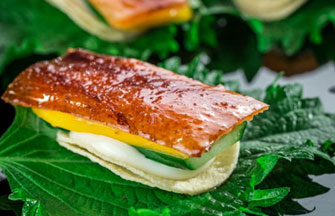
As tofu culture spread far and wide, people of different areas have continuously developed and enriched the recipes for the preparation of tofu dishes based on their own tastes, such as Mapo tofu, stinky tofu, and uncongealed tofu pudding. As simple as tofu is, it can be made into a table of Chinese dishes complete with beautiful colors, sweet smells, and delicious tastes.
|
 |
|
|
Today, tofu and its derivative products have become common foods not only for Chinese people. It has gone abroad and become popular around the world.
Tofu in Chinese History and Culture
Tofu and soybeans have woven their way into Chinese culture.
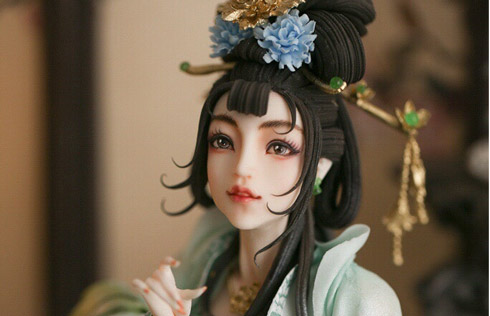
A woman who is beautiful but poor is known as “tofu xishi” (bean curd beauty). Xi Shi is known as one of the Four Great Beauties of China. It has been said while Xi Shi was washing her veil, her beauty caused fish to freeze and sink to the bottom of the river. Later, her name, Xi Shi, became synonymous with beauty. In Lu Xun’s novelHometown, a beautiful tofu shop owner, Aunt Yang, is nicknamed “tofu xishi.” From then on, people often used “tofu xishi” to call those who have a good face but are born to a needy family – not necessarily relating to tofu.
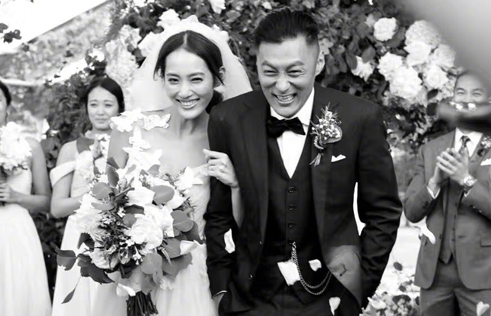
A man who dallies with a woman is just “eating her tofu.” Once upon a time, a young couple ran a tofu shop in Chang’an. The husband made tofu during the nights and the wife kept the shop during the day. The wife was beautiful, which can be attributed partly to the effectiveness of tofu on cosmetic skin care. In order to attract customers, she often played around amorously. Men who lived nearby often go to the shop in the name of “eating tofu” to sexually harass the wife. Later on, “eating tofu” became a phrase used to refer to sexual harassment.
|
 |
|
|
Tofu is an indispensable dish on the reunion dinner table during the Chinese lunar New Year, because it sounds like the word for fortune and happiness in Chinese. The food can bring good luck to the whole family. Just as the saying goes, “Tofu, tofu, mouthful of ‘Fu’.”