



M2 not the only money supply indicator, says PBOC









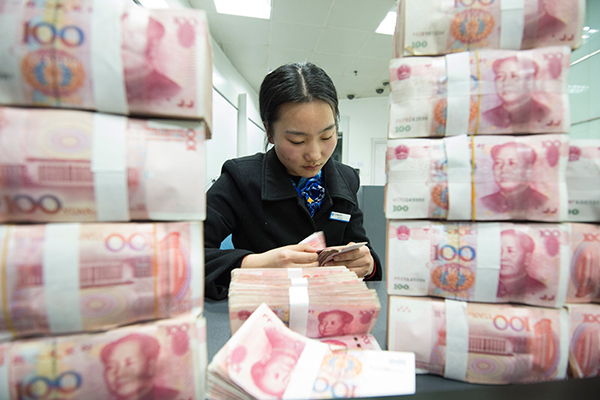
The broad measure of money supply, or M2, should not be the only indicator for understanding China's liquidity conditions, said Zhou Xiaochuan, central bank governor, on Friday.
By the end of 2017, China's M2 growth was 8.2 percent, below the nominal year-on-year GDP growth of 8.5 percent, triggering concerns over inadequate liquidity to bolster normal economic growth.
"China's M2 growth is slightly lower than nominal GDP growth, but we should monitor more indicators, such as prices and jobs, to see whether liquidity is tight," he said at a press conference during the ongoing first session of the 13th National People's Congress.
There is no one simple indicator to judge the conditions of money supply, he said. "It is a quite complex issue and multiple factors should be taken into consideration."
China's consumer price index grew by 1.6 percent year-on-year in 2017, well below the inflation target of 3 percent, and its unemployment rates, in terms of both registered and surveyed unemployment rate, were low, statistics of the National Bureau of Statistics show.


- Geologists brave rugged terrain in Yunnan prospecting mission
- Senior enterprise official facing probe
- China's anti-graft authorities reveal extent of year's work
- Former Haikou Party chief gets death sentence with reprieve
- Purchase of US-made weapons to push Taiwan closer to the peril of war: spokesman
- WIC calls for submission of cultural heritage digitalization cases







