



How to transmute friction into freedom to shine









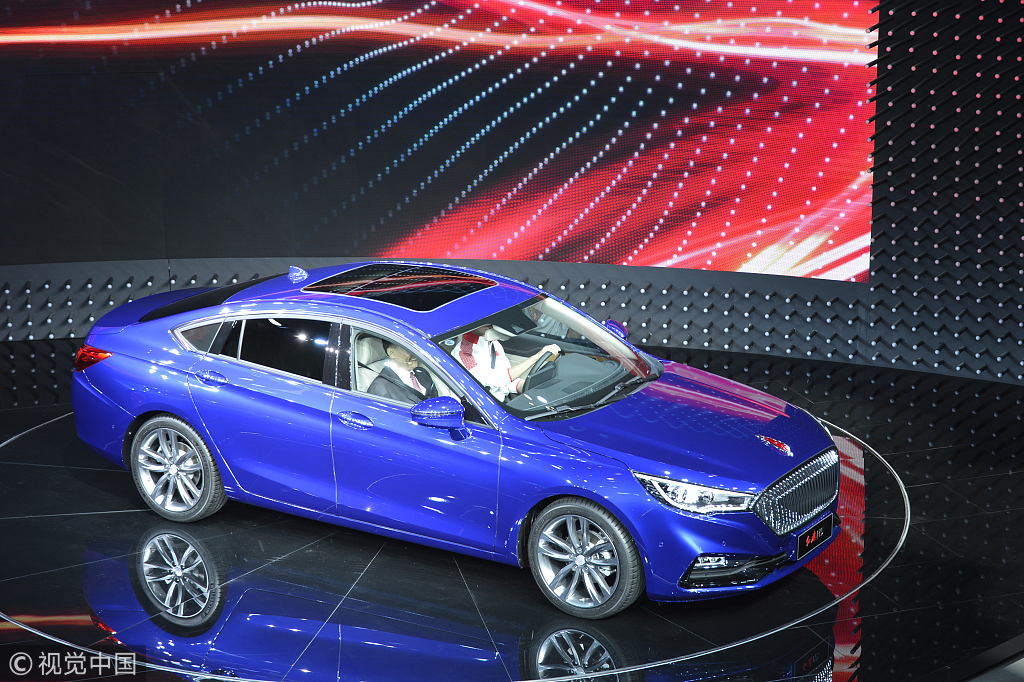
Japan's Toyota, one of the world's largest carmakers, will no longer dominate new and pre-owned car markets in many developing countries.
Chinese automakers have built plants in fast-growing economies such as Vietnam, Indonesia, Ethiopia and South Africa to supply commercial vehicles and cars for higher-income families.
Chinese vehicles are not only inexpensive but receive efficient after-sales service.
Like automakers, many other Chinese companies from industries, sectors or fields such as telecommunications, infrastructure, energy, general manufacturing, shipping, services and finance have all invested big-time in both developed and developing economies across the globe.
A growing ability to further expand overseas amid cooling of the domestic market - that's what has been propelling Chinese companies' ambition, ever since China became the 143rd member of the World Trade Organization on Dec 11, 2001.
WTO membership has invigorated the Chinese manufacturing sector. China's economy has grown into the world's second-largest. Millions of Chinese people have been lifted out of poverty, thanks to a wide range of products its manufacturing sector makes.
The range spans toys to bullet trains and industrial robots. The companies concerned have been opening new business branches and plants throughout the world.
This, it appears, has caused much heartburn among the economic powers of the 20th century. They have leveled unfounded allegations of 'neocolonialism' against China.
Some Western media outlets and political figures even branded China as an "indestructible low price competitor" or "cutting edge technology buyer". Their worry seems to be that a fast-growing China would affect their economic interests and erode their political influence across the world.
Meanwhile, to better integrate into the multilateral trading system, China has been ramping up efforts to support and strengthen the WTO. It has promoted investment, e-commerce and other new economic drivers in WTO members. China has also helped other developing nations, especially the least developed ones.
In addition to trading in goods, Chinese companies have built drinkable water systems, dams, power stations, roads, highways and airport projects in regions like Africa, Southeast Asia, Central Asia and Latin America. They have helped create new jobs for local residents and offered educational and work training opportunities to young people around the world.
The ongoing China-US trade friction is expected to delay US companies' plans to invest in China and vice versa. Chinese companies may feel compelled to shift their focus to European countries, India, Japan and South Korea to seek new growth opportunities via joint ventures, mergers and acquisitions.
China and the European Union can certainly increase their foreign direct investment in each other's markets. They share their plight as victims of US trade protectionism. Besides, both are comprehensive strategic partners, and firm supporters and active participants in multilateral free trade. Their negotiations over the EU-China Comprehensive Agreement on Investment have been smooth.
Even though the US and the EU enjoy relations as allies, the EU countries must be aware that the most imports between China and the US are fairly complementary and aren't direct competition.
The EU is likely to be the next target of irrational US trade measures because their member countries have similar industrial structures and cutting-edge technologies, particularly in areas like semiconductors, vehicle engines, chemicals, new materials, passenger aircraft and aerospace products.
So, establishing closer ties with China would be practical for both sides to confront trade protectionism and prevent potential economic slowdown.
However, for many Chinese companies, their go-global strategy is not free of obstacles. Lack of trust among local stakeholders, fierce competition from local and Chinese counterparts, and ignorance about the local regulatory and cultural factors can all cause trouble in overseas investments and operations.



















