



What American Factory can teach us about business in a globalized world









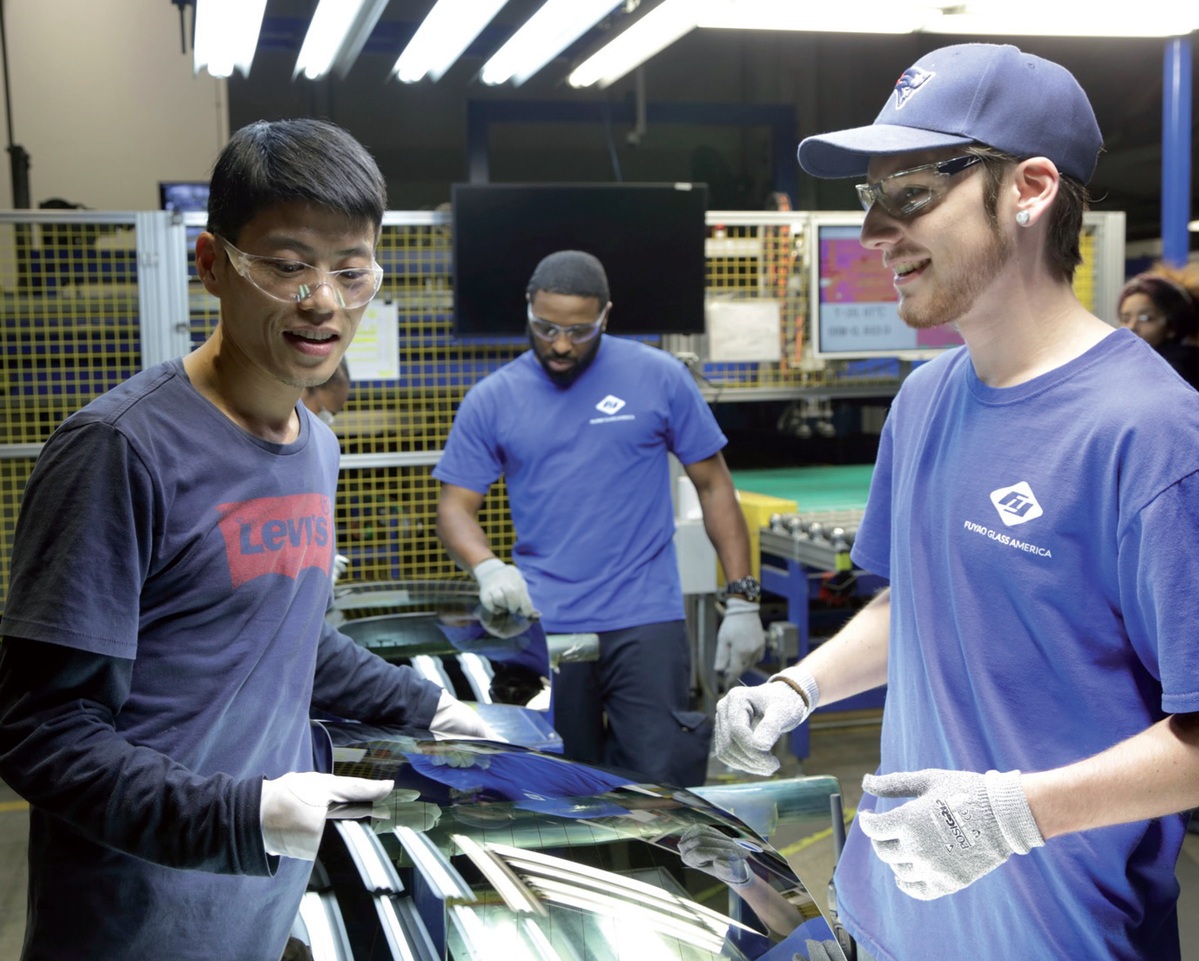
Social media has been talking about so much about a particular film, my curiosity was sparked and I searched for it online. The film is American Factory, the highly praised documentary produced by Barack and Michelle Obama for Netflix.
The film narrates the closure of a General Motors factory in Moraine, Ohio following the 2008 financial crisis. The closure led to the loss of 2,000 jobs. The facility was acquired in 2014 by a Chinese investor and Fuyao Glass, an auto-glass manufacturer, became the new owner and promised jobs for the local community.
The community initially welcomed the new ownership, but differences in work culture and business practices between American and Chinese workers quickly emerged, especially in relation to the role of labor unions.
The documentary brilliantly represents the challenges of collaboration between people of different countries and cultures as a result of globalization and the clashing management styles this collaboration brings. These challenges can be found everywhere a company directly invests in opening factories or local branches when language and cultural barriers can be difficult to overcome.
My first impression watching this movie was that both American and Chinese staff members were not prepared to face such cultural challenges and they hadn’t received the necessary training to overcome possible drawbacks. Challenges were provoked from the Chinese side by a lack of expertise in going global and managing businesses in foreign markets and from the American side by a lack of openness to foreign acquisitions on its own soil.
The film also represents one of the major mistakes in contemporary merger and acquisitions deals. That's when managers focus on increasing value for shareholders and lose focus on one of the most critical aspects of any integration: cultural management. It is in management’s interest to facilitate integration and to spread knowledge and the new culture throughout the company. In this case I believe it was caused by the lack of international experience among Fuyao's top management.
There are plenty of successful examples of integration and one that comes to my mind is the acquisition of IBM's personal computer business by Lenovo. The buyer strategically decided to establish two headquarters, one in China and one in the US, and switched the official corporate language into English, even in the Beijing office, in order to bridge the language barrier gap. Lenovo is now the biggest producer of personal computer in the world.
American Factory has given me the opportunity to reflect on my personal experience as a foreigner in China. I have been living here for over six years and I have experienced a similar culture-clash experience when four years ago I joined a State-owned enterprise in Beijing. Having previously worked in the West and for private companies, it has been definitely a major shock to adjust to a different culture, language and corporate environment.
Nevertheless I have learnt that in order to get the best from a work experience in a different country, you cannot just act in the same way you would in your own country. You must be willing to challenge yourself, to learn, to adapt, to be flexible and respectful of other cultures and different points of view. These are the necessary traits to overcome initial challenges and later on to find your comfort zone.
Nowadays I think the most important skills that every top manager should be equipped with are cultural sensitivity, emotional intelligence and the ability to adjust modes of communication for different audiences.
I firmly believe that the lack of knowledge of another culture is the main reason of misunderstanding both in corporate setting and in politics, and it requires a major effort to be able to embrace a new culture. Frankly not many people are willing to spend time and on it.
The unwillingness to be open-minded and flexible to change, and sometimes the arrogance to think one’s own culture is superior to another, can only lead to prejudice with negative effects on relationships.
The author is a finance professional at ICBC in Beijing and a member of the China Task Force at the Italian Ministry of Economic Development. The views don't necessarily represent those of China Daily.





