



China-US trade war: A new beginning









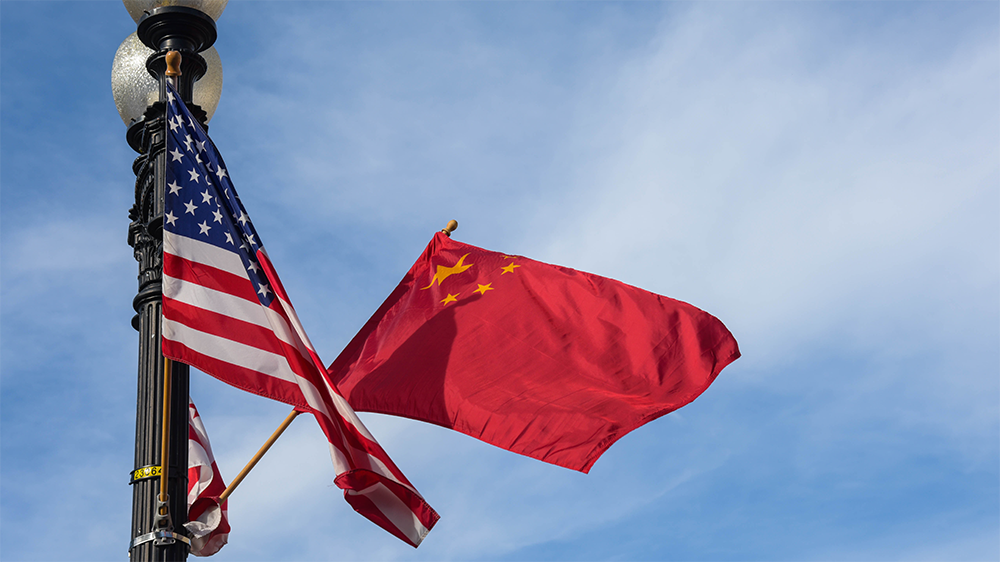
The global economy seems to have breathed a little calmer. The international community was anxiously awaiting the signing of the first phase of a trade deal between the United States and China. Frankly, the tangle of misunderstandings and contradictions that had accumulated over the years, it would have been simply impossible and very difficult to undo without negotiation and compromise. But now the ice has broken, and supporters of the normalization of US-Chinese relations are increasingly hoping for the next stage of negotiations. The fact that Washington and Beijing have come to understand the need to find solutions in such difficult situations clearly indicates that both parties are interested in solving the problem. The confrontation between the two powerful economies lasted about two years, or to be precise - 22 months, and it became a factor in the growth brake of the entire world economy, which is already going through hard times. Instability is always destructive. And the global economy, according to IMF estimates, lost 0.8 percent of GDP growth (or $700 billion) from the trade conflict launched by the United States.
After the conclusion of the first part of the trade transaction, the remaining controversial issues are easier and more convenient to discuss against the background of existing agreements, which, fortunately, exist. No one can say how effectively the parties can advance in the final approval of the second phase of the agreements, however, one thing is clear: the agreement on the first phase of the trade transaction laid the foundation for further negotiations, which promise more benefits for both China and the United States, and most likely, the parties will sign it after a series of mutual compromises, as happened when the first phase of the trade transaction was reached. Any cooperation or a signed agreement must necessarily be based on the principles of mutually beneficial cooperation, and the unilateral imposition of the terms of a trade agreement can create many serious problems in the future.
Of course, the United States has always sought to impose conditions favorable to Washington for the world. In fact, this means a return to the rule "might makes you right", which dominated international relations until the mid-20th century, until the United States agreed to restrict freedom of conduct in the international arena and take part in the development of standards that would be beneficial not only to the United States, but also to the rest of the world.
The United States was able to dictate the terms of cooperation to the world at the end of World War II, when the country's GDP was 50 percent of the global level. It was at that time that the United States was almost the only source of technology and money for the rest of the world. Today, the US share in global GDP has declined to 24 percent. At the same time, there are many other countries and organizations in the world that associate themselves as alternative sources of resources. After the end of the Cold War, a virtually new world system was formed, international and regional organizations independent of the United States appeared - the SCO, BRICS, and the EAEU, aimed at more complete economic integration. With the launch of the Belt and Road Initiative, the international economy stepped forward steadily.
President Donald Trump is well aware that the trade war he initiated must sooner or later be brought to its logical conclusion. And he is interested in this more than ever, given the approach of the presidential election and its possible impeachment. Yes, impeachment probably will not take place, but the promotion of this issue in the world media, at least, casts a shadow over Trump's respective reforms in the country. Moreover, it is not necessary to discount the fact of a trade confrontation between the United States and the European Union. Trump is waging a war of duties and sanctions not only with China, but even with the European Union, its closest partner, the trade confrontation of which began with American restrictions on the supply of steel and aluminum from Europe. And given the much closer interdependence of the United States and the EU - and not only trade and economic, but also military and political - the consequences for the whole world can be even more dramatic and unpredictable. For example, the long-running dispute between the American company Boeing and the European Airbus may well open a new front in the US trade war with other countries. Will Trump continue to wage trade wars simultaneously with China and Europe if re-elected? I doubt it.
Nevertheless, if the second part of the deal between China and the United States takes place, the world economy will definitely receive an influx of “fresh air”, getting rid of the uncertainty and note of mistrust that often surfaced in the trade relations between China and Washington, creating conflict situations.
Twenty-two months of the trade war is not a short time, during this time the parties could bring bilateral relations to an even higher level, to make a big contribution to the development of the world economy, the basis of which was slightly shaken from the trade war. The United States must understand that such a policy ultimately leads the world to degradation, impoverishment of the world population, which in no case should be allowed. It is time to put an end to uncertainty and lack of confidence in bilateral relations. It is incertitude about tomorrow that forces entrepreneurs to postpone investments until later, which slows down the creation of new jobs and the growth of wealth in the United States and China. So is it not logical to think about restoring the former level of trade and economic relations?
Seymur Mammadov is the director of the international expert club EurAsiaAz and editor-in-chief of Azerbaijan's news agency Vzglyad.az.
The opinions expressed here are those of the writer and do not necessarily represent the views of China Daily and China Daily website.





