



Beidou system's applications spread around globe









Timetable for nation's space-based navigation program
The drive to establish a domestically developed satellite network for navigation and positioning was initiated by naval researchers in the mid-1960s to meet the needs of marine navigation.
In March 1969, defense technology authorities decided to begin research and development of navigation satellites. That July, the satellites' overall design, technical requirements and development schedule were decided by spacecraft researchers.
In November 1970, Qian Xuesen, a distinguished scientist and founder of China's space industry, named the project "Lighthouse 1".
In December 1980, defense technology authorities closed the program due to financial and technological difficulties.
In 1983, some renowned Chinese scientists, headed by Chen Fangyun, proposed building an experimental two-satellite positioning system. The idea was demonstrated and verified using two communications satellites in 1989.
In February 1994, the government approved and began research and development on a space-based navigation and positioning system, aiming to mitigate the country's heavy reliance on foreign networks. The system was named "Beidou".
In October 2000, China launched the first Beidou satellite. In December, the second Beidou satellite was put into orbit to join the first to establish an experimental system. In May 2003 and February 2007, another two experimental satellites were launched to join a trial run.
Beidou's first mass-production satellite, also the first in its second-generation series, was launched in April 2007. The first two third-generation satellites were launched in November 2017.
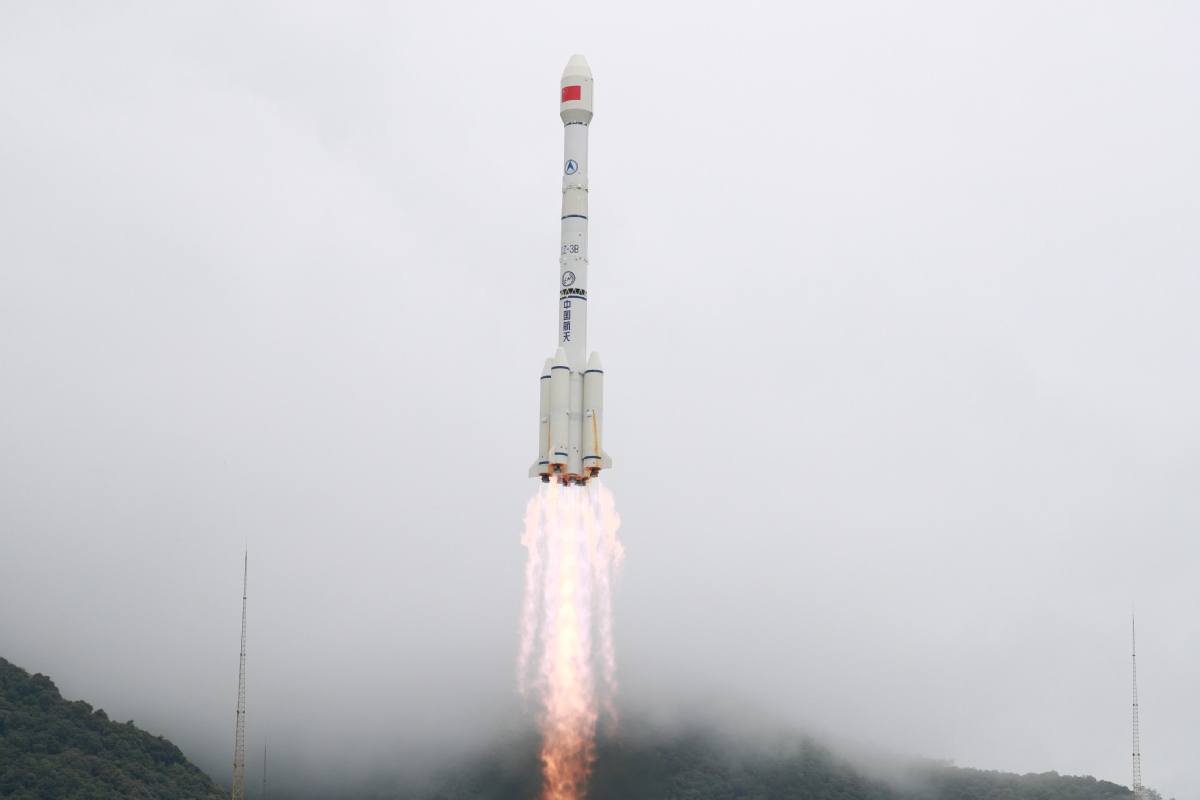
Deployment of Beidou's space-based assets has accelerated in the past two years, with 17 launches placing 28 satellites into orbit.
The China Satellite Navigation Office planned to place the last two third-generation Beidou satellites into orbit before the end of 2020 and achieved this goal about six months ahead of the deadline with the last launch on Tuesday.


- Foreign visitors taste the delicacies of Tianjin's ancient town
- China introduces a standard framework for humanoid and embodied intelligence
- CPPCC unveils agenda of the annual session
- Geologists brave rugged terrain in Yunnan prospecting mission
- Senior enterprise official facing probe
- China's anti-graft authorities reveal extent of year's work







