



Deputy calls for better protection for couriers









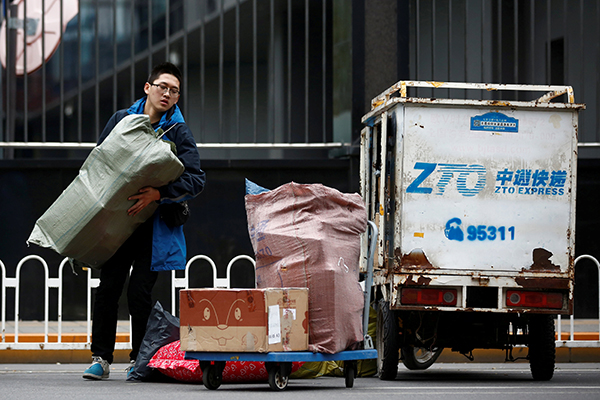
A top legislator suggested regulating the outsourcing of employment to better protect workers' rights.
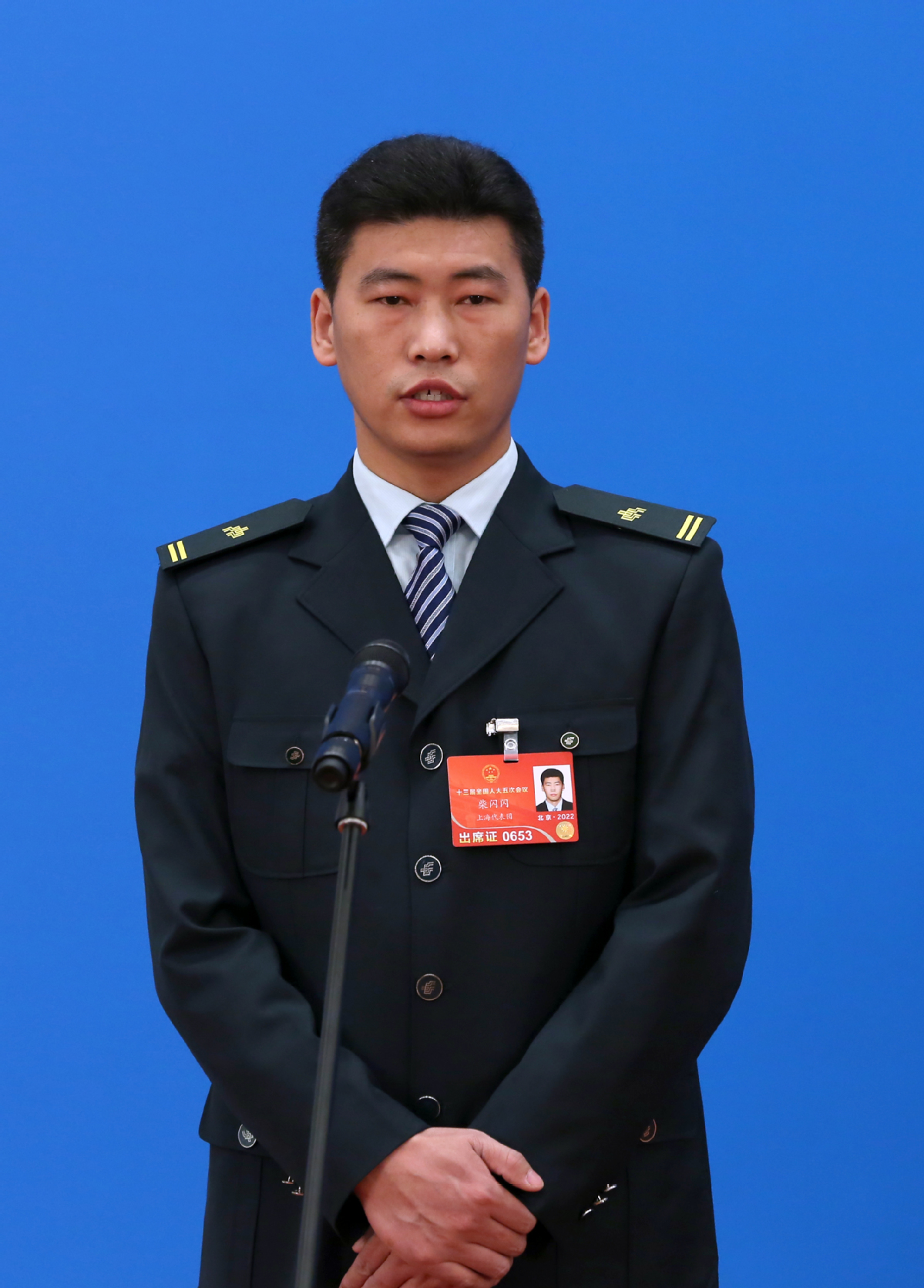
"Countless numbers of couriers travel back and forth across cities serving residents. They should be better integrated with the cities," said Chai Shanshan, a deputy to the National People's Congress, in an interview via video link ahead of the opening of the fifth session of the 13th NPC at the Great Hall of the People in Beijing on Saturday.
Chai is also a mail handler at China Post in Shanghai.
He recalled taking part in a traffic accident dispute involving a collision between a courier and a pedestrian in 2020. The family of the person injured was troubled by the fact that their loved one was not getting the compensation they deserved, and the delivery man was so anxious that he was reduced to tears because he could not afford to pay for damages.
The complex nature of employment for couriers leads to shifting responsibilities, Chai said, adding that this was why he was concerned with promoting regulations that better protect outsourced employees.
China's express delivery sector has prospered in the last decade. Last year, the country handled more than 100 billion parcels and the booming industry has attracted millions of workers, becoming an inseparable part of daily life.
After the COVID-19 epidemic broke out, couriers continued to make deliveries to people in need despite the risk of infection.
Last year, together with other six ministry-level government bodies, the State Post Bureau of China released a guideline on protecting the rights of couriers, which included provisions for more stable salaries and better insurance.


- Senior enterprise official facing probe
- China's anti-graft authorities reveal extent of year's work
- Former Haikou Party chief gets death sentence with reprieve
- Purchase of US-made weapons to push Taiwan closer to the peril of war: spokesman
- WIC calls for submission of cultural heritage digitalization cases
- China calls for global opposition to Japanese neo-militarism










