



Reforms mulled to tackle aging society issues









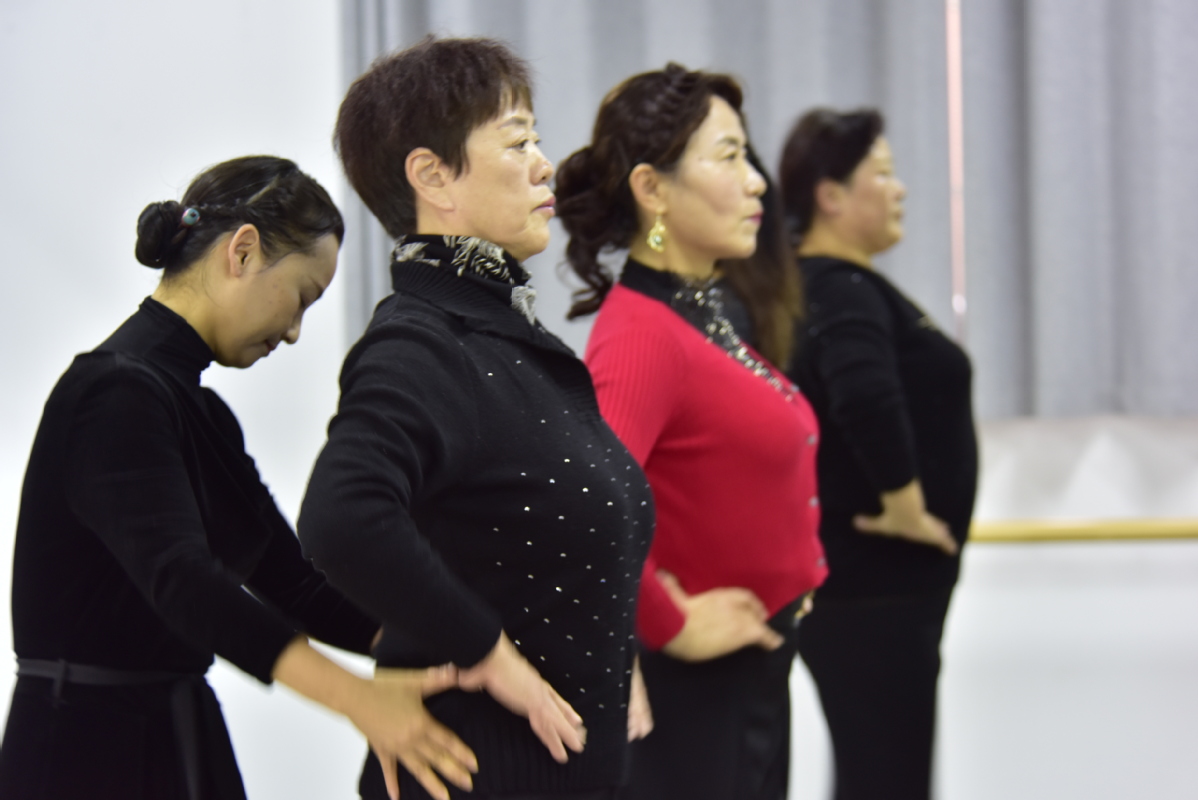
"It is important to balance input from government-sponsored and for-profit institutions, and to balance the role of basic public services and the role of the market in addressing elderly care needs," he said.
Lu Ming, a professor at Shanghai Jiaotong University's Antai College of Economics and Management and a national political adviser, said China's total working-age population — people ages 16 to 59 — began declining about a decade ago, thus a policy to raise the retirement age could be initiated this year.
"But there is no need for the public to be anxious about postponing retirement," he said. "The process is bound to be incremental, such as putting it off by one month at the beginning."
In addition, Lu said retirement policies will likely be optional to fit various demands. "For instance, some people who are unhappy with reduced salaries after retirement will embrace reforms that allow them to work longer," he said.
Improving the quality of workers could also boost the workforce, while keeping the pensions system solvent as the population ages and the fertility rate drops, he said.
"The average length of education in China is three to four years shorter than in developed countries. The gap can be narrowed by promoting universal senior high school education, including vocational high schools," he said.


- Senior enterprise official facing probe
- China's anti-graft authorities reveal extent of year's work
- Former Haikou Party chief gets death sentence with reprieve
- Purchase of US-made weapons to push Taiwan closer to the peril of war: spokesman
- WIC calls for submission of cultural heritage digitalization cases
- China calls for global opposition to Japanese neo-militarism










