



AI destroys jobs but also creates employment









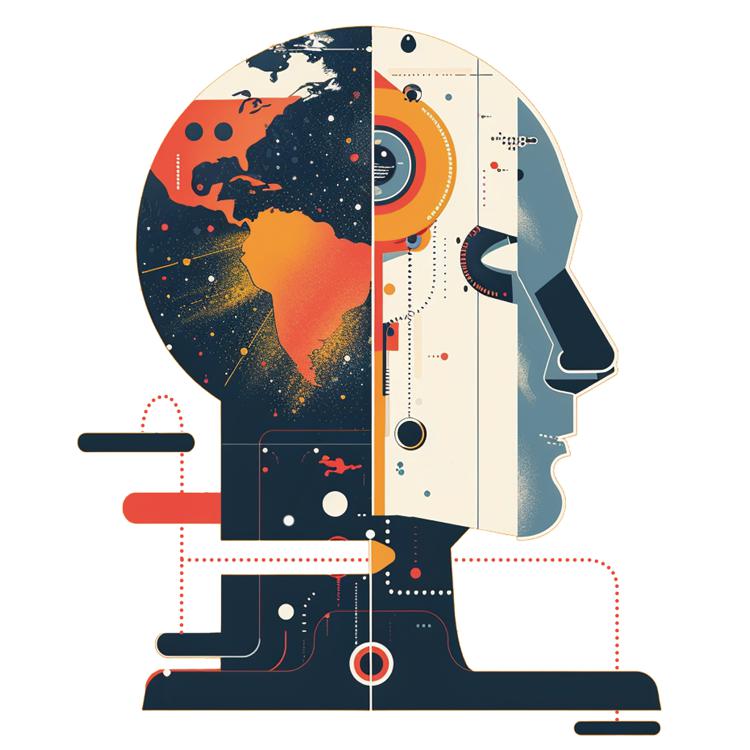
Although greater use of artificial intelligence (AI) in industrial and business applications will, while increasing productivity and economic growth, lead to overall loss of employment and jobs in the long term is still being debated, the issue is of great importance to China.
The GDP of the world's second largest economy is expected to reach $18.5 trillion this year, and more than 740 million people had been employed by the end of 2023. With its current population of over 1.4 billion, the country is already experiencing a decline in its population — China's population is expected to decline to around 1.3 billion by 2050 due mainly to a decrease in the country's fertility rate, which has fallen below the replacement rate. This means fewer newborns than deaths.
Yet despite the decline in its population in the long run, China will still have a very large workforce for years to come. The country needs to create millions of jobs every year to absorb its large workforce. This is where the impact of AI becomes crucial.
The expected impact of greater application of AI and related technologies, including robotics, in various sectors of the economy is the loss of existing jobs, especially because traditional skills and expertise will be replaced by superior technology. However, the fact that jobs will be lost also needs to be compared with the situation that more new jobs will be created.
Where will more new jobs be created in an economy where AI-based technologies are taking over almost all functions? There are two answers to this question. The first is greater application of AI and related technologies will increase productivity and have a positive impact on GDP growth. And the rise in GDP will increase resources for the country and enhance the ability of the government to invest more in several sectors.
These new investments will help create more jobs. For example, if more investments are made in the establishment of institutions for training people in AI skills, then new jobs will be created for the operation and management of these institutions. At the same time, there will be a great demand for specialists who can teach people AI skills. The number of such specialists is expected to increase rapidly, which in turn will create new opportunities and jobs for the people.
The second answer is to consider the structural changes in the economy and its specific needs as it prepares for the social and economic transformation. Several factors are important in this regard and one of the most significant ones is the requirements of China's aging population. As more people grow old, they will need a wide range of support, which will need to be provided by people who are trained in specific skills. These needs are already being experienced by OECD countries, where there is a shortage of adequately trained people to look after the aged and infirm. This is a sector which will see massive growth in new job opportunities.
Along with digitalization, there is also going to be a significant increase in the way people mobilize and manage their savings. Over time, the reliance will grow on financial instruments that are linked to the equity and debt markets. These instruments will emerge as the most important sources of income for many people, particularly those who don't have regular office of industrial jobs. There is likely to be a great demand for people who can advise people about the best ways of managing their savings and investments through various financial options.
At the same time, with more people beginning to work from home and remote locations, support services around their working conditions, such as online and app-based delivery of food and other necessities, will greatly increase, creating more job opportunities.
As the changes take place, it is important that universities and other educational institutions prepare to cope with them. Universities should open more courses for specific skills such as learning AI, caring for the elderly, advice on financial investments and retail services.
Universities have a very important role to play in supporting AI-based transformation. If they do not produce enough people for doing the new jobs, growth in AI might stop due to criticism of AI causing job losses. A country such as China must ensure that this doesn't happen.
The author is a senior research fellow and research lead (trade and economics) at the Institute of South Asian Studies, National University of Singapore.
The views don't necessarily reflect those of China Daily.
If you have a specific expertise, or would like to share your thought about our stories, then send us your writings at opinion@chinadaily.com.cn, and comment@chinadaily.com.cn.





